Red Fox
Scientific name: Vulpes vulpes
Common names: Red fox, Fox
Average live weight: Adult: 4–8 kg. Large dog fox: 10 kg+
Trophy class: Mature winter-coated dog fox
Activity pattern: Primarily nocturnal and crepuscular, highly intelligent opportunistic predator
Distribution and key locations (Australia)
Foxes are one of Australia’s most widespread and damaging invasive predators. They thrive in almost every habitat type, from agricultural land and bush country to semi-urban fringes.
Their adaptability, intelligence, and wariness make them one of the country’s most challenging pest animals to hunt consistently.
Prime regions
- NSW: Agricultural land, bush edges, grazing country
- Victoria: Farmland, forest fringe and open pasture
- South Australia: Mixed farming and scrub country
- Western Australia: Broadacre farming regions
- Queensland: Grazing country and open woodland
- Tasmania: Extensive populations across mixed terrain
High-percentage areas
- Creek lines through paddocks
- Rabbit-rich country
- Timber-agriculture transition zones
- Rocky ridges overlooking pasture
- Burnt country with recovering prey populations
- Farm dumps and carcass disposal areas
Foxes thrive wherever prey is abundant and pressure is low.
Habitat features to look for
Foxes are edge-oriented predators that use cover, elevation, and travel corridors efficiently.
Key structure
- Shelter belts and timber strips
- Blackberry gullies
- Rocky outcrops
- Long grass and scrub
- Creek systems
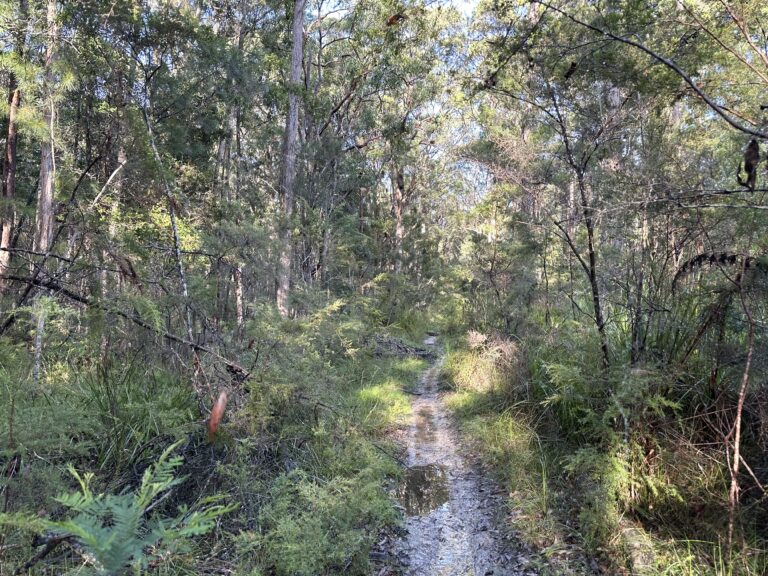
- Fence lines and vehicle tracks
Sign to look for
- Narrow dog-like tracks
- Scat containing fur and bone
- Rabbit remains and feathers
- Fresh digging activity
- Den entrances in banks or rises
- Distinctive musky scent near active dens
Water requirements
Foxes do not require constant access to water like pigs or deer, but activity often increases near:
- Creeks
- Dams
- Irrigation channels
- Wet pasture systems
Foxes concentrate where prey species concentrate.
Seasonal patterns
Fox behaviour changes significantly through breeding, dispersal, and prey cycles.
Best seasons
- Winter: Thick coats and increased breeding movement
- Autumn: Young dispersing foxes become highly active
- Spring: Heavy hunting around lambing and nesting areas
Seasonal notes
- Winter often produces the best fur quality
- Cooler weather increases daytime visibility
- Young foxes become less cautious during dispersal periods
Fox movement often peaks immediately after sunset and before sunrise.
Weather and conditions (critical)
Ideal conditions
- Cold calm nights
- Light wind
- Frosty mornings
- Overcast conditions
Best hunting conditions
- Moonlit nights
- Immediately after rain
- Calm evenings with active prey movement
Avoid
- Strong swirling winds
- Hot still conditions
- Crunchy dry ground when stalking
Foxes rely heavily on scent, hearing, and movement detection.
Food sources and feeding areas
Foxes are highly opportunistic predators and scavengers.
Common food sources
- Rabbits
- Rodents
- Birds
- Carrion
- Reptiles
- Insects and fruit
Feeding areas
- Rabbit warrens
- Crop edges
- Freshly cut paddocks
- Creek flats
- Burnt country
- Livestock areas during lambing
Foxes commonly patrol predictable circuits between feeding zones and cover.
Firearms, calibres and equipment
Foxes are lightly built animals, but their wariness makes accurate shooting and good fieldcraft essential.
Common rifle setups
- Lightweight bolt-actions dominate
- Flat-shooting rifles are highly favoured
- Thermal and spotlight setups are common where legal
Common calibres
Legal minimums and night-hunting regulations vary by state and land type, so hunters must check current regulations carefully.
Widely used fox calibres include:
- .17 HMR
- .22 Magnum
- .204 Ruger
- .223 Remington
- .22-250 Remington
Projectile considerations
- Flat trajectory assists with fast shooting opportunities
- Lightweight expanding projectiles are common
- Wind drift matters significantly in open country
Other essential gear
- Quality spotlight or thermal optic (where legal)
- Bipod or shooting sticks
- Binoculars
- Warm quiet clothing
- Fox whistle or predator call
- Rangefinder
Good optics consistently improve success rates.
Hunting methods (when and why)
Calling
One of the most effective fox-hunting methods.
Best for:
- Open grazing country
- Creek systems
- Night shooting setups
Common calls imitate:
- Rabbits
- Rodents
- Injured prey
- Fox distress sounds
Key principle:
- Stay concealed and watch downwind.
Foxes frequently circle cautiously before committing.
Spot-and-stalk
Effective during:
- Early morning
- Late afternoon
- Cooler overcast days
Best for:
- Open hill country
- Burnt ground
- Agricultural edges
Requires:
- Careful movement
- Long-range observation
- Wind management
Ambush hunting
Highly productive near:
- Rabbit warrens
- Carcass sites
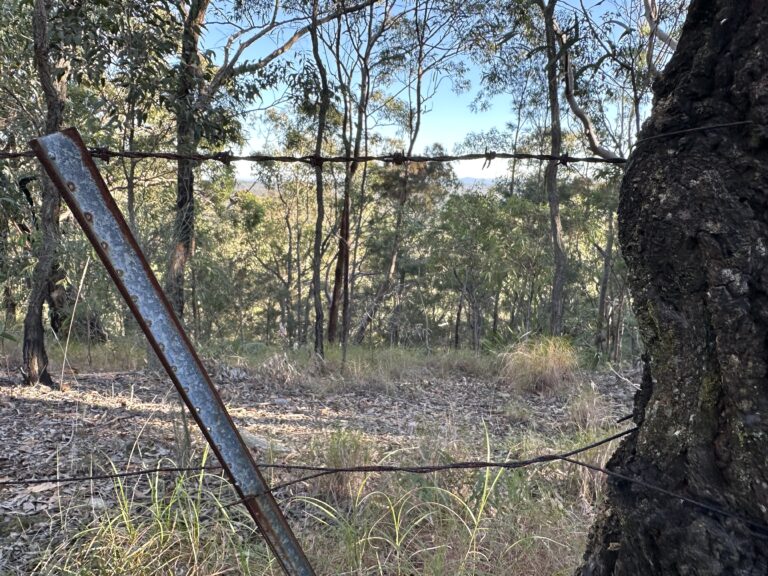
- Fence crossings
- Livestock paddocks
- Game trails
Especially effective during predictable feeding periods.
Time of day
- Best: Dusk, night, and dawn
- Daytime: Productive during winter and cold overcast conditions
- Night: Peak activity in pressured populations
Large mature foxes often avoid daylight movement entirely in heavily hunted areas.
Common mistakes
- Ignoring wind direction
- Excessive movement while calling
- Calling too loudly or too frequently
- Failing to watch downwind approaches
- Underestimating fox eyesight and caution
- Setting up with poor visibility
Many foxes are seen only briefly before disappearing into cover.
Final rule of fox hunting
Hunt the wind, stay concealed, and focus on prey-rich edge country.
Consistent fox hunters succeed by understanding predator behaviour, controlling scent and movement, and setting up where prey activity naturally concentrates.