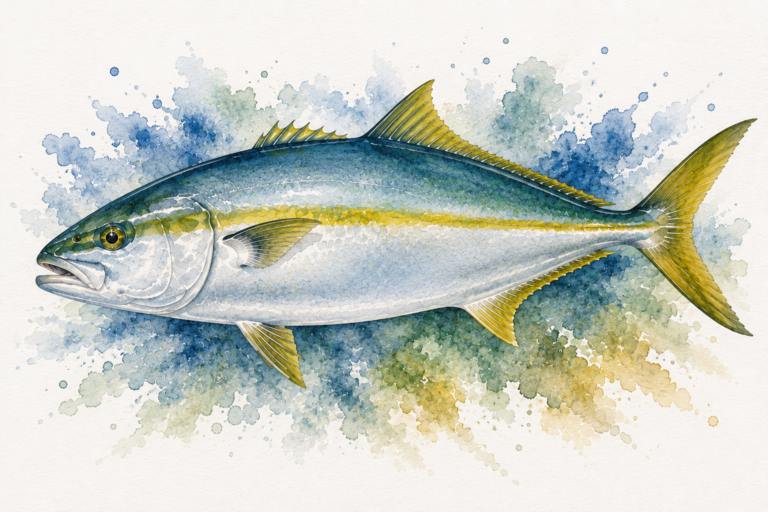
Yellowfin Bream
Scientific name: Acanthopagrus australis
Common names: Yellowfin bream, Bream, “Yellas”
Average size: 25–35 cm
Trophy size: 40–50 cm+
Activity pattern: Opportunistic structure feeder, highly adaptable
Distribution & Key Locations (Australia)
Yellowfin bream are one of Australia’s most widespread and accessible estuary species. They thrive in heavily pressured systems because they are highly adaptable and feed on a huge range of food sources.
Prime Regions
- NSW: Estuaries, rivers, beaches and harbours
- QLD (south): Rivers, canals and bays
- VIC (east): Lower estuary systems
High-Percentage Areas
- Oyster racks and leases
- Bridge pylons and pontoons
- Rock walls and breakwalls
- Mangrove edges
- Sand flats adjacent to channels
- Deep marina structure
Bream are structure fish. If there’s food and cover, they’ll be nearby.
Habitat Features to Look For
Yellowfin bream are ambush feeders that use current breaks and structure to conserve energy while intercepting food.
Key Structure
- Fallen timber
- Rock bars and retaining walls
- Boat hulls and marina pontoons
- Weed edges and drop-offs
- Bridge shadows and eddies
Food Sources
- Crabs and prawns
- Mussels and oysters
- Worms and nippers
- Small baitfish
- Shrimp and crustaceans
Water Conditions
- Slightly dirty water often fishes well
- Moving water generally outfishes stagnant water
- Bream tolerate salinity changes extremely well
Bream live where food gets trapped and pushed past structure.
Seasonal Patterns
Bream can be caught year-round, but their location and aggression change seasonally.
Best Seasons
- Autumn to winter: Large spawning fish move toward river mouths
- Spring: Fish spread through estuaries again
- Summer: Excellent surface fishing around flats and structure
Seasonal Notes
- Cold months produce the biggest fish
- Warm months often produce the most active fish
- Heavy rain can push fish into cleaner downstream water
Winter “black breaming” around structure is a classic pattern in many NSW systems.
Weather & Tides (Critical)
Ideal Conditions
- Overcast skies
- Light wind ripple
- Early morning and dusk
- Moving tide around structure
Tides
- Rising tide floods feeding zones
- Falling tide pulls food from structure
- Tide movement matters more than tide size
Avoid
- Dead-still, crystal-clear water
- Bright overhead sun in shallow systems
- Extremely dirty floodwater
Bream become cautious in clear, calm conditions.
Bait – What Actually Works
Natural presentation matters more than large bait size with bream.
Top Natural Baits
- Live nippers
- Live or fresh prawns
- Fresh mullet strips
- Squid strips
- Beach worms
- Pilchard pieces
- Crabs and peeled prawns
Bait Rules
- Smaller, natural presentations usually work best
- Fresh bait outfishes frozen bait
- Light sinkers improve presentation
Big bream often eat surprisingly small baits.
Tackle & Rigs
Bream are not huge fish, but they fight hard around structure and punish poor drag settings.
Rod & Reel
- Rod: 1–4 kg spin rod, 6’6”–7’6”
- Reel: 1000–2500 size spin reel
- Line: 4–10 lb braid or mono
- Leader: 4–12 lb fluorocarbon
Terminal Gear
- Long shank or bait-holder hooks
- Size: #4–1/0 depending on bait
- Small ball sinkers or unweighted rigs
Common Rigs
- Unweighted prawn or nipper
- Running sinker rig
- Light float rigs around structure
Light tackle consistently outfishes heavy gear.
Lures (When & Why)
Bream are one of Australia’s premier light-tackle lure species because they respond aggressively to finesse presentations.
Effective Lures
- Crankbaits
- Soft plastics
- Surface walkers and poppers
- Vibration blades
- Small hardbodies
When to Use Lures
- Around structure and pontoons
- Flats during low-light periods
- Clear water conditions
- Active feeding fish
Retrieval Style
- Slow and controlled usually works best
- Pauses often trigger bites
- Surface lures excel during warm months
Accurate casting matters more than lure choice.
Time of Day
- Best: Dawn and dusk
- Night: Excellent around lights and structure
- Daytime: Productive in deeper water or shaded cover
Large bream commonly feed more confidently after dark.
Common Mistakes
- Fishing too heavy
- Using oversized hooks
- Ignoring tide movement
- Poor casting accuracy
- Fishing structure too quickly
- Staying in dead water too long
Most big bream are lost in the first few seconds around structure.
Final Rule of Bream Fishing
Fish light, cast accurately, and focus on structure holding food.
Consistent bream anglers pay attention to current flow, subtle cover, and presentation. Small adjustments often make a massive difference.