

Introduction
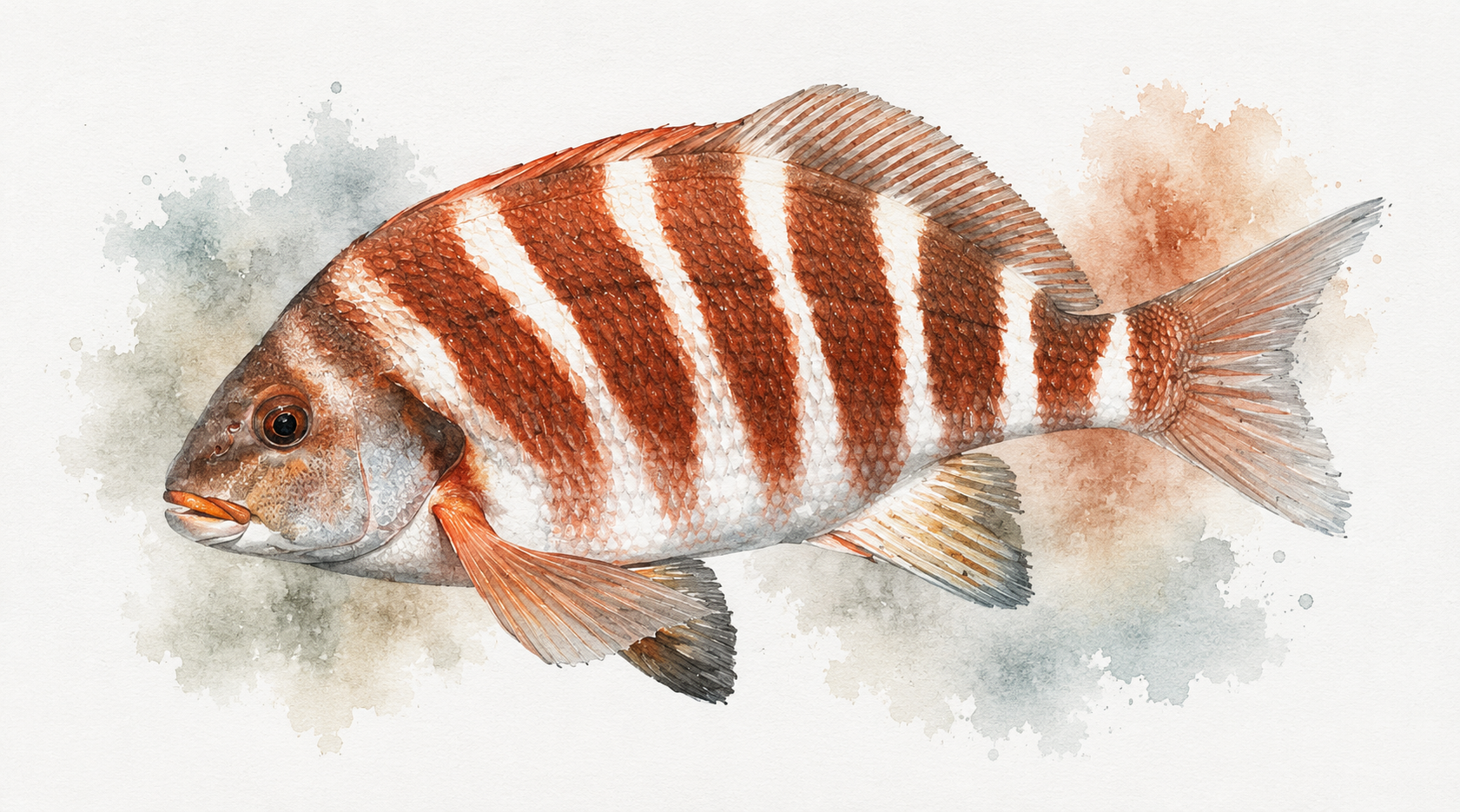
Banded morwong are one of the more distinctive reef fish encountered along Australia’s temperate south-east coastline. Their broad vertical bands make them easy to identify underwater, yet many anglers fish their entire lives without intentionally targeting one. Unlike snapper, kingfish or gummy sharks, banded morwong are not highly mobile predators that roam large areas. They are reef residents with remarkably small home ranges, often spending years associated with the same section of reef, cave system or kelp-covered boulder field. Research has shown they are also exceptionally long-lived, with individuals capable of reaching more than 90 years of age.
For anglers, understanding this behaviour is the key to catching them consistently. Banded morwong are not a species that appears randomly across reef systems. If a productive area holds them, it often continues to hold them year after year. If a reef lacks the combination of structure, depth and food they prefer, catches are usually uncommon regardless of how much time is spent fishing there.
The most reliable fisheries occur around Tasmania, Bass Strait, eastern Victoria and southern New South Wales. While occasional fish are encountered further north, the species becomes increasingly uncommon outside its core cool-water range. Exposed coastal reefs, offshore islands and kelp-covered rocky ground consistently produce the best catches.
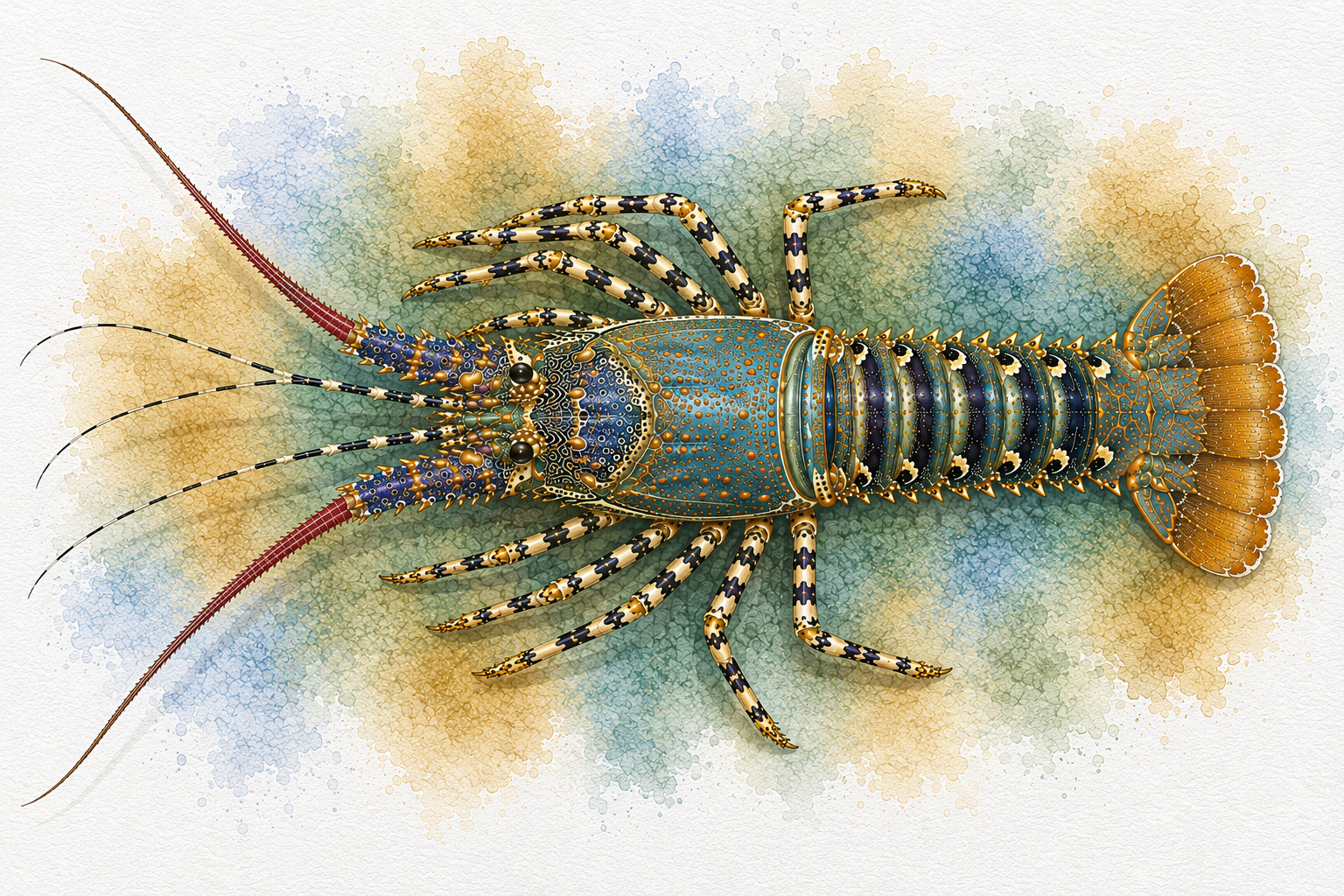
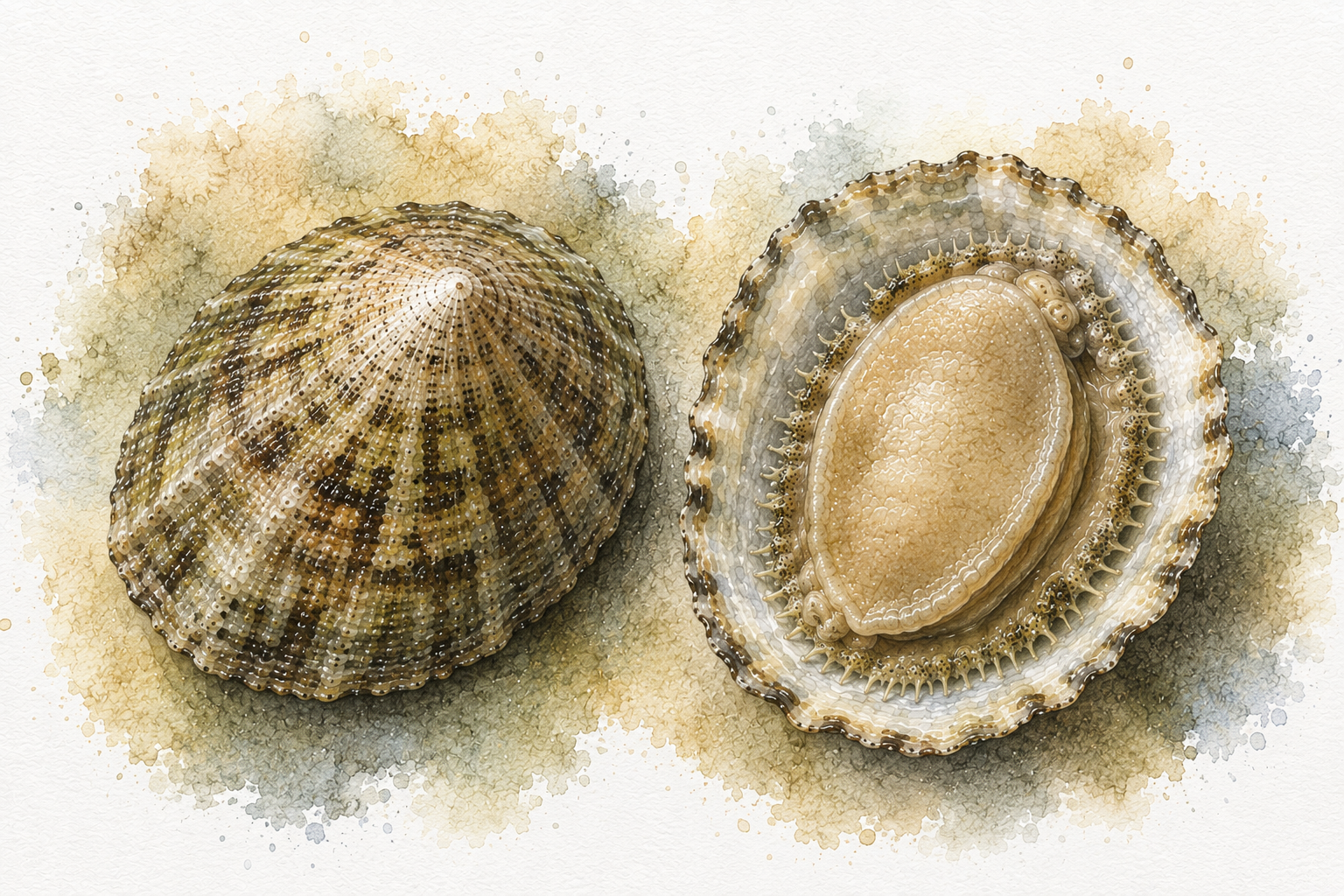
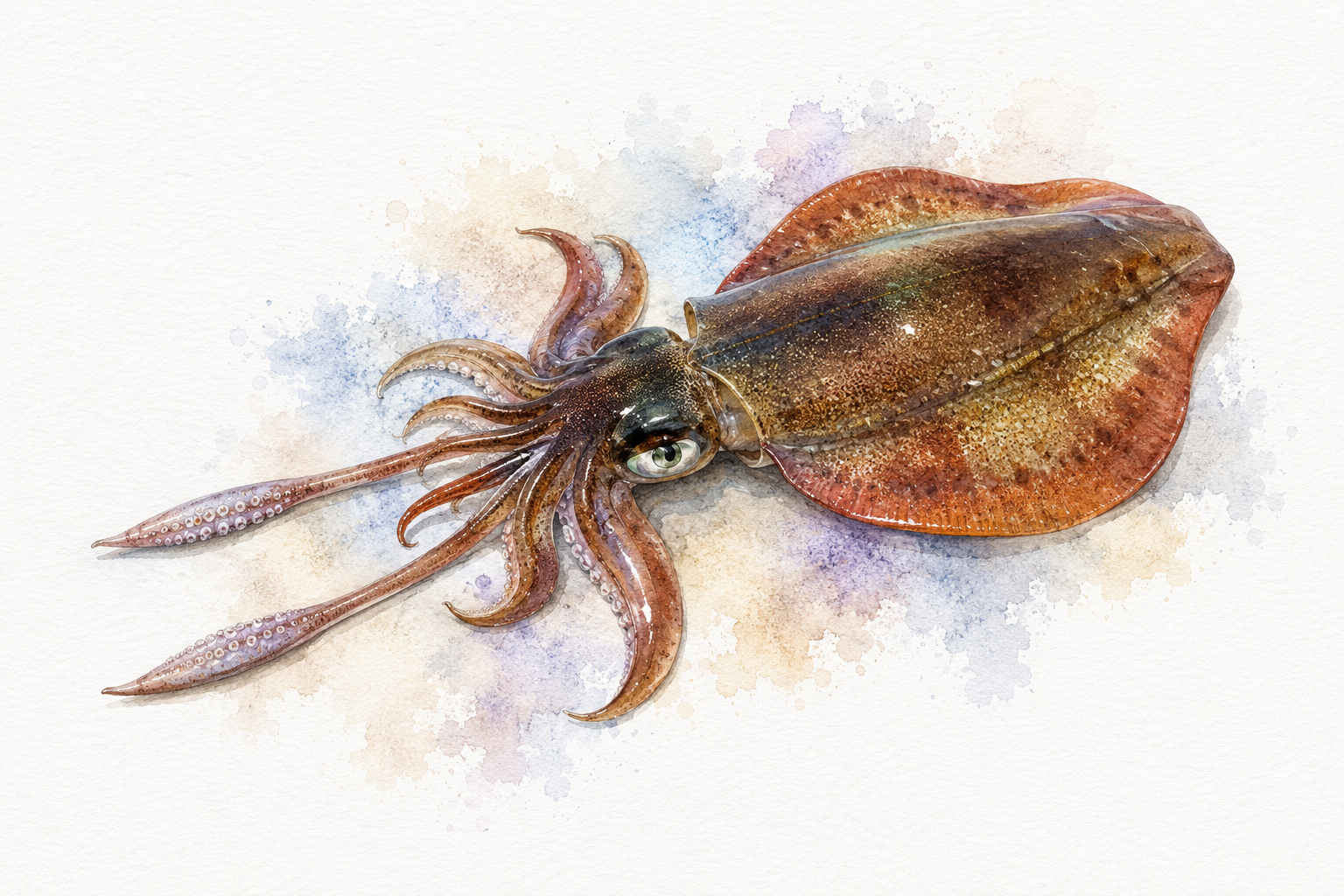
One trait that separates banded morwong from many other reef species is their feeding behaviour. They spend much of their time picking through reef structure searching for benthic prey rather than actively chasing baitfish. Molluscs, crustaceans, worms and small sea urchins make up much of their diet. This explains why anglers targeting them successfully often fish slowly and precisely rather than covering large amounts of water.
Finding the right reef is usually more important than finding the right bait.
Tackle and Rigs
Banded morwong rarely require heavy tackle.
Most fish encountered by anglers range between 40 and 60cm, although substantially larger specimens occur in Tasmania and deeper offshore reefs. Their fighting ability is respectable but they lack the explosive speed of kingfish or tuna. Instead, they rely on reef structure and stubborn resistance close to the bottom.
A 4–8kg or 5–10kg outfit is ideal for most situations.
Braided mainline between 15–20lb provides excellent bite detection, especially when fishing deeper reef edges where subtle takes can be difficult to identify. A fluorocarbon leader between 20–30lb is generally sufficient around broken reef and kelp.
The most effective rig is usually a simple paternoster or dropper rig fished close to the bottom.
Many successful anglers use:
- Two short droppers
- Small to medium bait-holder hooks
- Enough lead to maintain bottom contact
Because banded morwong feed close to structure, baits suspended too high above the reef often receive little attention.
When fishing shallower reef systems under 15m, lightly weighted running sinker rigs can be highly effective. These allow natural movement and presentation while maintaining contact with the reef zone where fish are actively feeding.
Patience is important.
Many anglers targeting snapper or gummy sharks retrieve and reposition frequently. Morwong fishing often rewards anglers who leave a bait in position and allow fish time to investigate.
When to Use Lures
Although banded morwong are predominantly bait-caught fish, they will occasionally take lures under the right circumstances.
The most productive lure opportunities occur when fish are holding around shallow reef edges, kelp beds or broken reef systems where vertical presentations can remain close to the structure.
Soft plastics are generally the most effective option.
Paddle tails, grub tails and creature-style plastics between 3–5 inches can all produce fish when worked slowly along reef contours. Fast retrieves are rarely effective.
Instead, think about how the species feeds naturally.
A banded morwong spends much of its time searching the reef for crustaceans, molluscs and other benthic prey. Lures that remain close to the bottom and move naturally through structure tend to outperform those worked aggressively through the water column.
Micro-jigs can also be effective, particularly on deeper Tasmanian reefs.
The most productive retrieve often involves:
- Allowing the jig to reach the bottom
- Short lifts of the rod tip
- Controlled descents
- Frequent pauses
Many strikes occur during the fall phase as the lure drifts back toward the reef.
Lure fishing for banded morwong remains a specialised approach, but anglers prepared to fish slowly and precisely can occasionally achieve excellent results.
Time of Day
Unlike many pelagic species, banded morwong are not strongly tied to dawn and dusk feeding periods.
Their feeding activity is generally more influenced by current movement and reef conditions than by low-light periods.
This gives anglers a wider fishing window than they might expect.
Mid-morning and afternoon sessions can fish just as well as sunrise periods when conditions are favourable.
The exception occurs in shallow reef environments where increased boat traffic, diver activity and bright overhead sun can make larger fish more cautious. In these situations, early morning often provides an advantage.
On offshore reefs, however, productive fishing can continue throughout the day.
Water movement remains the critical factor.
Periods of moderate tidal flow generally produce more consistent feeding behaviour than slack water.
If choosing between perfect dawn conditions with little water movement or an afternoon period with steady current, the moving water often proves more productive.
Common Mistakes
Fishing the Wrong Reef
Many anglers assume all reef systems hold banded morwong.
This is rarely true.
The species shows strong preferences for exposed rocky reef habitat, kelp-associated structure and areas containing caves, ledges and broken bottom. Large expanses of featureless reef frequently produce very few fish.
Successful anglers focus on specific sections of reef rather than entire reef complexes.
Using Oversized Hooks
Banded morwong possess relatively small mouths compared with many similarly sized reef fish.
Large hooks commonly used for snapper can significantly reduce hook-up rates.
Smaller hooks matched to bait size generally perform far better.
Fishing Too High Above the Bottom
Because the species feeds close to reef structure, baits suspended well off the bottom often go untouched.
Maintaining contact with the lower section of the water column is critical.
Many anglers targeting morwong successfully are effectively fishing within a metre of the reef.
Moving Too Frequently
Modern fishing often encourages constant movement.
Banded morwong frequently reward the opposite approach.
Once productive structure has been located, remaining on position and presenting baits carefully can dramatically improve results.
Ignoring Current
Many anglers focus solely on reef structure.
Structure matters, but structure combined with current is usually better.
Current concentrates food and increases feeding opportunities.
Reef edges exposed to steady water movement consistently outperform sheltered areas during many periods of the year.
Overharvesting Resident Fish
Because banded morwong are long-lived reef residents with limited home ranges, localised depletion can occur when heavily targeted. Research and fisheries assessments indicate populations show strong site fidelity and slow recovery potential compared with more mobile species.
Taking only what is needed is a sensible approach when fishing productive reefs that may hold the same fish for many years.
The Bottom Line
Catching banded morwong consistently comes down to understanding three key factors: reef selection, precise bottom presentation and current flow.
They are not wide-ranging fish that appear randomly across a coastline. They are resident reef specialists that spend much of their lives associated with the same caves, ledges, kelp beds and rocky outcrops. Anglers who learn to identify these environments dramatically improve their chances of success.
The best locations are usually exposed temperate reefs containing broken structure, kelp growth and moderate current. Once these areas are found, simple baits such as squid, pilchard strips, fish flesh and shellfish presentations are often all that is required.
Patience is another advantage.
Unlike species that demand constant movement and searching, banded morwong frequently reward anglers willing to sit on quality structure and fish methodically.
They may never become a mainstream target for most Australian anglers, but those who spend time exploring southern reef systems soon discover that banded morwong are among the most interesting and unique reef fish found in temperate Australian waters. Their combination of site fidelity, longevity, distinctive appearance and reef-based behaviour makes them a species that rewards anglers who learn the finer details of the habitat they call home.