Lobster
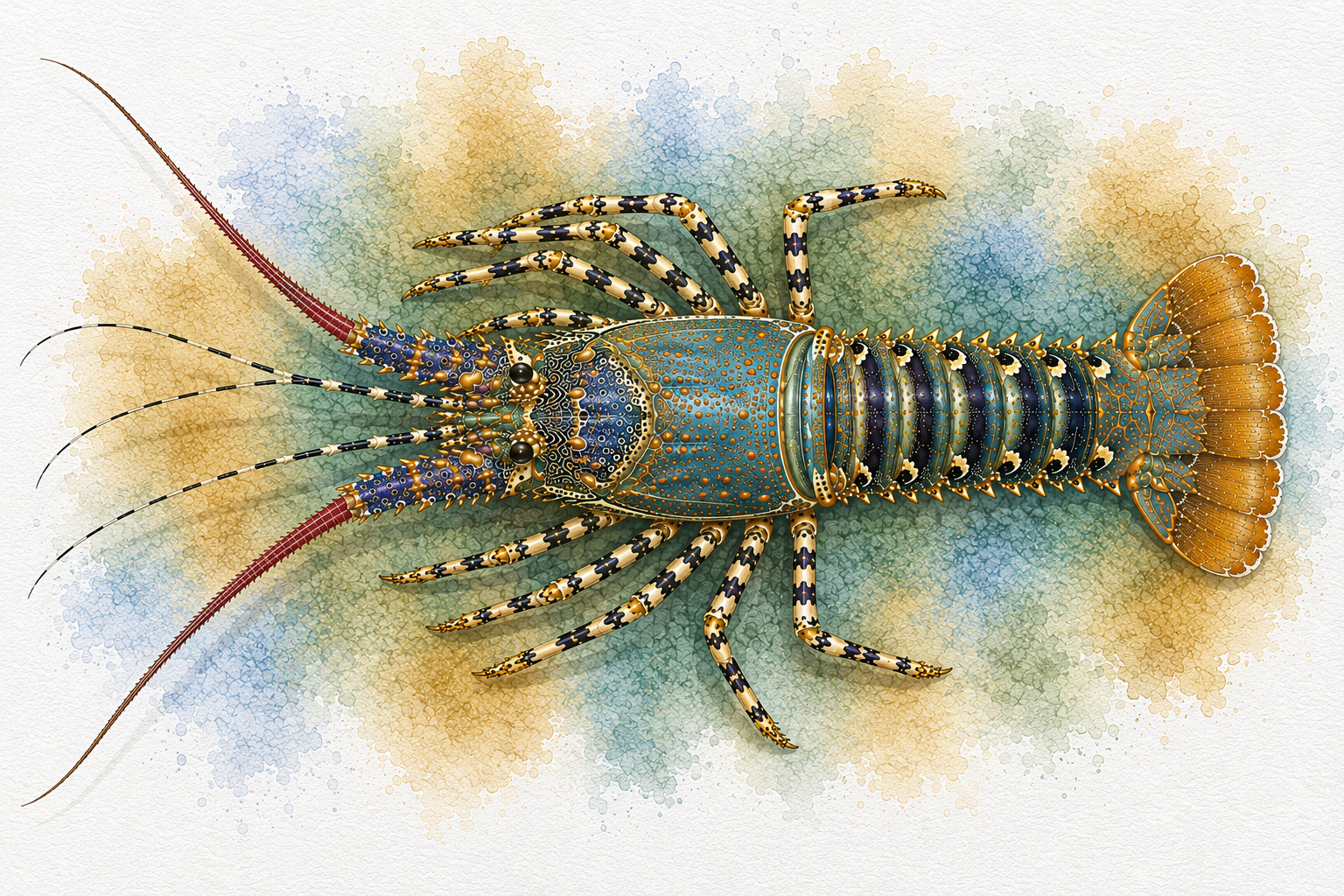
Common species: Eastern rock lobster, Southern rock lobster, Western rock lobster. Tropical rock lobster (known as the “painted” or “ornate” lobster).
Common names: Lobster, Crayfish, Cray, “Crays”
Average size: 0.8–2.5 kg
Trophy size: Large mature red or deep-water crayfish
Activity pattern: Nocturnal reef-dwelling scavenger and predator
Distribution and key locations (Australia)
Rock lobster are among Australia’s most iconic and highly prized seafood species. Different species occur across the country, but all share a preference for reef systems, caves, ledges, and broken hard structure.
Prime regions
- NSW: Eastern rock lobster along rocky coastline
- Victoria: Southern reef systems and kelp country
- Tasmania: Deep reef and cold-water ledges
- South Australia: Limestone reef systems
- Western Australia: Extensive western rock lobster grounds
High-percentage areas
- Shallow reef platforms
- Boulder fields
- Kelp-covered reef
- Cave systems and ledges
- Surge channels
- Broken reef adjacent to sand
Lobster almost always orient around hard structure that provides protection from predators and swell.
Habitat features to look for
Lobster are structure-dependent and spend daylight hours hidden inside reef cover.
Key structure
- Caves and cracks
- Undercut ledges
- Boulder piles
- Kelp-covered reef
- Surge gutters
- Vertical reef faces
Food sources
- Shellfish
- Sea urchins
- Molluscs
- Small crustaceans
- Carrion and reef debris
Water conditions
- Clean ocean water is critical
- Moderate water movement improves reef health
- Surge areas often hold quality crays
Healthy reef systems with caves, kelp, and current almost always hold lobster.
Seasonal patterns
Lobster activity changes with moulting cycles, breeding, temperature, and swell conditions.
Best seasons
- Autumn through spring: Productive diving and potting conditions in many southern regions
- Cool-water periods: Often improve inshore activity
- Calm weather windows: Best for shallow reef access
Seasonal notes
- Lobsters often move shallower during calm periods
- Heavy swell can push crays deeper into cover
- Warm water periods may reduce daytime visibility on reef
Local seasons and regulations vary heavily between states and species.
Weather, swell, and conditions (critical)
Ideal conditions
- Light swell
- Good underwater visibility
- Calm wind
- Moderate tidal movement
Best conditions
- Several calm days in a row
- Clean blue water
- Low-to-moderate surge over shallow reef
Avoid
- Heavy swell
- Dirty runoff water
- Dangerous surge conditions
- Poor visibility
No lobster is worth unsafe ocean conditions.
Habitat depths
Depth varies dramatically depending on:
- Region
- Pressure
- Water temperature
- Reef structure
Common depth ranges
- Shallow reef edges: 1–5 metres
- Broken reef and caves: 5–15 metres
- Deep offshore reef systems: 20 metres+
Large pressured crays often retreat into difficult deep structure.
Bait – what actually works
For potting, oily natural bait consistently performs best.
Top pot baits
- Oily fish frames
- Tuna heads and frames
- Mullet
- Salmon frames
- Pilchards
- Bonito and mackerel
Bait rules
- Fresh oily bait creates stronger scent trails
- Secure bait properly inside pots
- Replace washed-out bait regularly
Strong scent dispersion is critical in current-driven reef systems.
Equipment and gear
Diving gear
- Wetsuit suited to local water temperature
- Mask, snorkel and fins
- Catch bag or loop
- Gloves
- Measuring gauge
Potting gear
- Approved lobster pots
- Float and rope systems
- Escape gaps and legal identification requirements
Regulations vary significantly between states.
Safety equipment
- Dive flag
- Knife
- Surface float
- Reliable weather checks
Ocean conditions can deteriorate rapidly around shallow reef systems.
Catching methods (when and why)
Free diving
One of the most exciting and visual methods.
Best for:
- Shallow reef
- Calm clear water
- Active inshore crays
Requires:
- Careful searching
- Quiet movement
- Good breath-hold discipline
Large crayfish often sit surprisingly deep inside caves.
Scuba diving*
Effective for:
- Deep reef systems
- Pressured areas
- Exploring cave structure thoroughly
Common in:
- Southern states
- Deep offshore reef country
*Check your local rules and regulations as this fishing method is not legal in all states.
Potting
Highly effective and widely used.
Best for:
- Covering larger areas
- Deep reef systems
- Rougher terrain difficult to dive
Key principle:
- Place pots near reef edges, current flow, and known travel routes.
Lobster often move across reef at night to feed.
Time of day
- Best diving: Calm daylight conditions with good visibility
- Best lobster movement: Night and low light periods
- Potting: Effective day or night if set in productive areas
Lobsters are significantly more active after dark.
Common mistakes
- Diving unsafe swell conditions
- Searching barren reef without structure
- Missing deep cave systems
- Poor pot placement
- Ignoring current direction
- Failing to check regulations carefully
Many beginner divers search too quickly and overlook hidden crays.
Final rule of lobster fishing
Focus on healthy reef structure, clean water, and protected caves — then search slowly and thoroughly.
Consistent lobster divers and pot fishers succeed by understanding reef structure, current flow, and how lobster use cover during daylight before moving to feed at night.