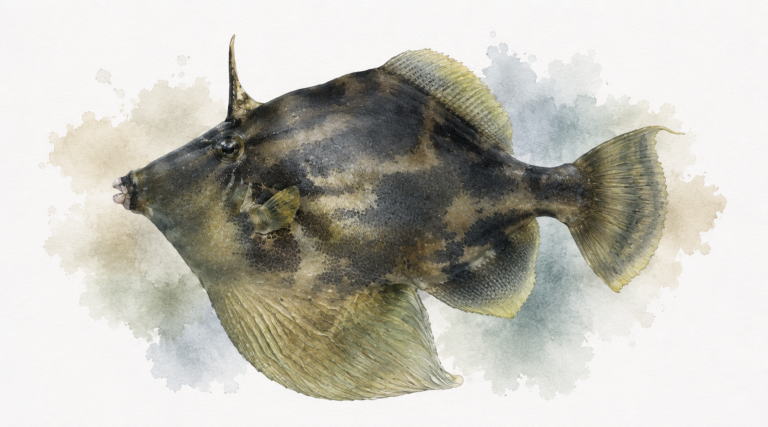
Morwong
Scientific name: Nemadactylus douglasii (Jackass Morwong), Cheilodactylus fuscus (Red Morwong) and related species
Common names: Morwong, Jackass Morwong, Red Morwong, Sea Carp
Average size: 30–50 cm
Trophy size: 60 cm+
Activity pattern: Reef-associated bottom feeder, structure and current-oriented
Distribution and key locations (Australia)
Morwong are a highly underrated reef species found throughout southern Australia. While often overlooked in favour of snapper, kingfish, and pelagics, they are excellent table fish and provide reliable action around rocky reef systems.
Several species occur throughout Australian waters, with Jackass Morwong and Red Morwong being among the most commonly encountered by recreational anglers.
Prime regions
- NSW South Coast
- Victoria
- Tasmania
- South Australia
- Southern Western Australia
High-percentage areas
- Coastal reef systems
- Broken reef and gravel bottom
- Offshore pinnacles
- Reef edges adjacent to sand
- Kelp-covered structure
- Deep rocky ledges
Morwong are rarely found far from hard structure and typically hold close to the seabed.
Habitat features to look for
Morwong are bottom-oriented feeders that patrol reef systems searching for invertebrates and small prey.
Key structure
- Broken reef
- Boulder fields
- Kelp beds
- Reef-to-sand transitions
- Rocky ledges
- Deep reef plateaus
Food sources
- Crabs
- Small crustaceans
- Shellfish
- Marine worms
- Molluscs
- Small baitfish
Water conditions
- Clean ocean water
- Moderate current flow
- Reef systems with healthy marine growth
Productive morwong grounds usually feature broken reef with plenty of current and food availability.
Seasonal patterns
Morwong can be caught year-round throughout much of their range.
Best seasons
- Autumn
- Winter
- Spring
Seasonal notes
- Cooler water often improves consistency
- Larger fish frequently occupy deeper reef systems
- Stable weather patterns generally produce better fishing
Unlike many pelagic species, morwong remain closely associated with structure throughout the year.
Weather and conditions (Critical)
Ideal conditions
- Light winds
- Moderate current
- Clean water
- Stable barometric conditions
Best fishing conditions
- Slackening tidal flow
- Light swell
- Productive reef structure with bait presence
Avoid
- Dirty water
- Excessive current
- Heavy swell making reef fishing difficult
Morwong often continue feeding when many other species become inactive.
Bait – what actually works
Fresh bait consistently outfishes frozen alternatives.
Top natural baits
- Squid strips
- Pilchard pieces
- Fresh fish fillet strips
- Prawns
- Cuttlefish
- Octopus strips
- Mussels
Bait rules
- Smaller presentations often work best
- Fresh bait dramatically improves catch rates
- Tough baits withstand pickers and current
Morwong are rarely fussy when feeding actively over reef.
Tackle and rigs
Morwong are powerful for their size and often dive immediately back into reef structure.
Rod and reel
- Rod: 4–8 kg reef rod
- Reel: 3000–5000 size spin reel
- Line: 10–20 lb braid
- Leader: 15–30 lb fluorocarbon
Terminal gear
- Baitholder hooks
- Octopus hooks
- Running sinkers
- Paternoster rigs
Common rigs
- Two-hook paternoster
- Running sinker rig
- Dropper rig
Simple reef rigs generally outperform complicated presentations.
Lures (when & why)
Although primarily targeted on bait, morwong can be caught effectively on artificials.
Effective lures
- Soft plastics
- Metal jigs
- Inchiku jigs
- Slow-pitch jigs
- Micro-jigs
When to use lures
- Drifting reef edges
- Active fish holding off structure
- Deeper water applications
Retrieval style
- Slow lifts
- Controlled hops
- Near-bottom presentations
Most strikes occur close to the seabed.
Berley
Berley can significantly improve morwong fishing.
Effective berley
- Crushed pilchards
- Fish frames
- Tuna oil
- Chopped baitfish
Key principle
Create a steady trail without overfeeding fish.
Morwong often move considerable distances to investigate a productive berley trail.
Boat vs land-based fishing
Boat fishing
Advantages:
- Access to offshore reef systems
- Better depth control
- Ability to locate isolated structure
Land-based fishing
Possible around:
- Deep rock platforms
- Coastal ledges
- Ocean breakwalls
However, boats provide access to the most productive morwong habitat.
Time of day
- Best: Dawn and dusk
- Daytime: Excellent over deep reef
- Night: Productive in some locations
Unlike many species, morwong can feed consistently throughout daylight hours.
Common mistakes
- Fishing too far above the bottom
- Using stale bait
- Ignoring reef structure
- Fishing excessive current
- Using tackle too light around heavy reef
- Moving away from productive ground too quickly
Most morwong are caught within a metre of the seabed.
Final rule of morwong fishing
Fish hard reef, stay close to the bottom, and use fresh bait presented naturally in moving water.
Consistent morwong anglers focus on productive reef systems, maintain bottom contact, and fish patiently around structure. While they may lack the glamour of kingfish or tuna, morwong reward anglers with reliable catches, hard-fighting fish, and exceptional table quality.