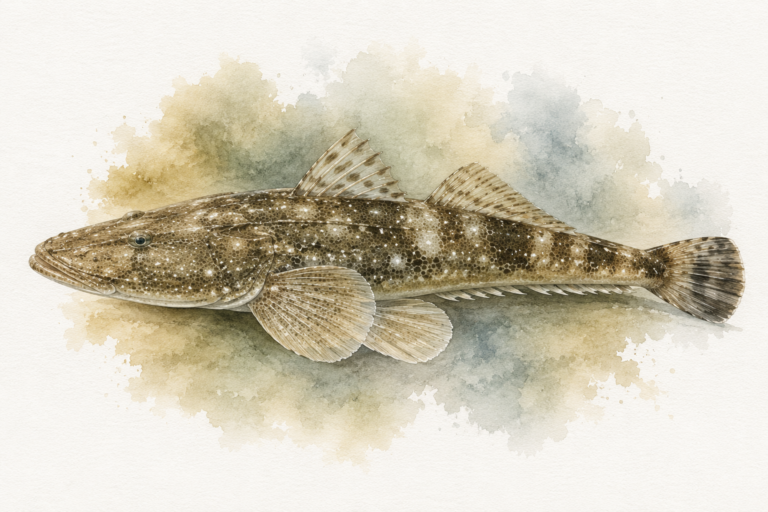
Australian Salmon (Arripis trutta)
Scientific name: Arripis trutta
Common names: Australian Salmon, Salmon, Bay Salmon
Average size: 1–3 kg
Trophy size: 4–7 kg+
Activity pattern: Diurnal pelagic predator
Distribution and key locations (Australia)
Australian salmon are widespread throughout southern Australia and are among the most mobile sportfish encountered by land-based and boat anglers.
Prime regions
NSW: Surf beaches, headlands, offshore bait schools
VIC: Surf coast, Western Port, Port Phillip entrances
SA: Yorke Peninsula, Eyre Peninsula, Gulf entrances
TAS: Entire coastline, bays, rocky points
WA (south): Albany, Esperance, south coast beaches
High-percentage areas
- Surf beaches with deep gutters
- Rocky headlands
- Coastal bait schools
- River mouths
- Offshore reefs holding bait
- Current lines and pressure edges
If you can see baitfish being harassed near the surface, salmon are usually nearby.
Habitat features to look for
Australian salmon are highly visual hunters that patrol wherever bait becomes concentrated.
Key structure
- Surf gutters with deep channels
- Headlands adjacent to deep water
- Wash zones around rocky points
- Current lines
- Offshore reef edges
- River and estuary entrances
Water conditions
- Clean to lightly coloured water
- Moderate wave action
- Active baitfish schools
- Whitewater around structure often concentrates feeding fish
Find bait first. Salmon rarely stay where food isn’t available.
Seasonal patterns
Best seasons
NSW: Autumn → winter (peak)
VIC: Autumn → spring
SA: Autumn → winter
TAS: Year-round, peak autumn and winter
WA (south): Autumn → spring
Why autumn and winter?
- Large coastal migrations occur
- Bait schools gather along beaches and headlands
- Cooler water improves feeding consistency
- Fish often form large, visible schools
Summer fish occur regularly, but the biggest schools usually arrive with cooler water.
Weather and tides (critical)
Ideal conditions
- Light to moderate swell
- Overcast conditions
- Moderate onshore wind
- Active whitewater around rocks and beaches
Avoid
- Flat calm conditions
- Extremely dirty water
- Heavy storms making water unfishable
Best bite windows
- Dawn
- Late afternoon
- During visible bait activity
- First few hours of a rising tide
Unlike mulloway, salmon often feed aggressively throughout daylight hours.
Bait – what actually works
Australian salmon are aggressive feeders that respond well to both bait and lures.
Top natural baits
- Pilchards (gold standard)
- Bluebait
- Whitebait
- Garfish strips
- Squid strips
- Anchovies
- Fresh fish fillets
Bait rules
- Oily baits consistently outperform tough baits
- Fresh bait generally outfishes old frozen bait
- Match bait size to local baitfish
- Present naturally in current and surf
If salmon are busting bait on the surface, a whole pilchard is hard to beat.
Tackle and rigs
Rod and reel
Rod: 9–12 ft surf rod or 7–8 ft spin rod
Reel: 4000–6000 size spin reel
Line: 10–20 lb braid or mono
Leader: 15–30 lb fluorocarbon or mono
Terminal gear
- Ganged hooks (pilchards)
- 3/0–5/0 bait hooks
- Metal casting weights
- Small swivels
Common rigs
Surf rig
- Star sinker
- Swivel
- 40–80 cm leader
- Ganged hooks and pilchard
Float rig
- Small float
- Long leader
- Whole pilchard or garfish strip
Keep rigs simple and castable.
Lures (when and why)
Lures are often the most effective way to target Australian salmon because the fish are frequently feeding near the surface.
Effective lures
- Metal slices (20–60 g)
- Stickbaits
- Surface poppers
- Soft plastics (3–5 inch)
- Minnow hardbodies
- Small baitfish-profile lures
When to use lures
- Schools feeding on the surface
- Surf beaches
- Headlands
- Offshore bird activity
- Whenever fish are actively chasing bait
Fast retrieves often trigger savage strikes.
Time of day
- Best: Dawn and late afternoon
- Good: Throughout daylight hours when bait is present
- Less productive: Middle of bright calm days
Australian salmon rely heavily on sight and frequently feed in visible surface frenzies.
Common mistakes
- Fishing where there is no bait
- Retrieving lures too slowly
- Using tackle that’s too heavy
- Ignoring bird activity
- Staying in one location too long
- Fishing dead water between gutters
Mobility catches salmon.
Final rule of Australian salmon fishing
Find bait + birds + current + whitewater — then start casting.
Australian salmon are constantly on the move. When you locate active bait schools, they can provide some of the fastest and most exciting sport fishing available from Australian beaches, rocks, and boats.