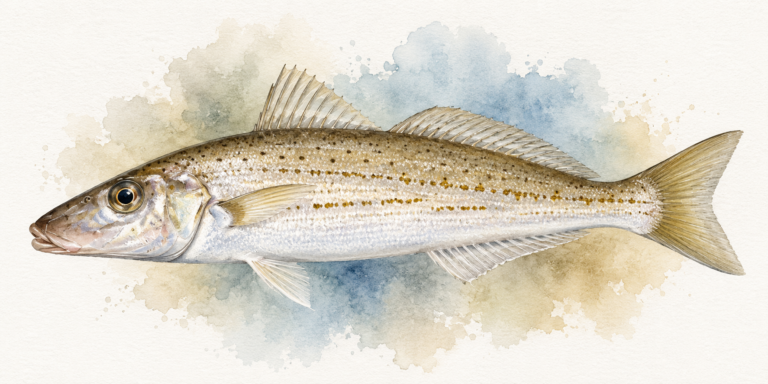
Dusky Flathead
Scientific name: Platycephalus fuscus
Common names: Dusky flathead, Flathead, “Lizards”
Average size: 40–65 cm
Trophy size: 80–100 cm+
Activity pattern: Ambush predator, structure and current-oriented
Distribution and key locations (Australia)
Dusky flathead are one of Australia’s most iconic estuary predators and are highly prized for both sport and table quality. They are widespread along the east coast and thrive in systems that combine sand, current flow, and bait.
Prime regions
- NSW: Estuaries, rivers, bays and coastal lakes
- Queensland (south-east): Canal systems, rivers and flats
- Victoria (east): Lower estuary systems and inlets
High-percentage areas
- Sand flats adjacent to channels
- Drop-offs and ledges
- Creek mouths
- Weed edges
- Bridge and rock wall current lines
- Draining flats on falling tides
Flathead position themselves where bait is forced past ambush points.
Habitat features to look for
Dusky flathead are classic lie-in-wait predators that use camouflage and bottom structure to ambush prey.
Key structure
- Sandbanks and gutters
- Weed-to-sand transitions
- Channel edges
- Drains running off shallow flats
- Rock walls and bridge pylons
- Deep holes near current flow
Food sources
- Prawns
- Whitebait and poddy mullet
- Small herring and baitfish
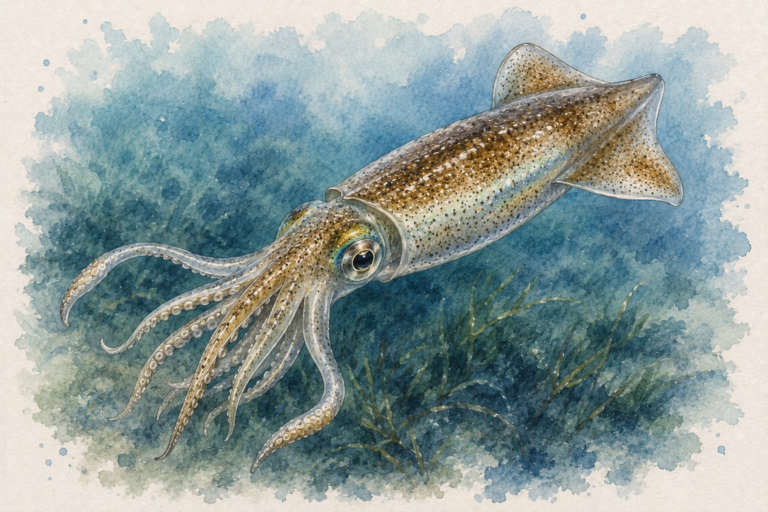
- Squid and small crabs
Water conditions
- Slightly dirty water often fishes well
- Moving water is critical
- Clean tidal flow improves bait movement
Flathead sit where bait has to pass close to the bottom.
Seasonal patterns
Dusky flathead can be caught year-round, but warmer water generally increases activity levels.
Best seasons
- Spring through autumn: Peak lure and bait fishing
- Summer: Excellent shallow-water activity
- Winter: Fish concentrate deeper and feed less aggressively
Seasonal notes
- Warm water increases bait activity and aggression
- Large females often hold near major drop-offs
- Cooler months push fish into deeper channels
Big breeding females are vital stock and should be handled carefully and released wherever possible.
Weather and tides (critical)
Ideal conditions
- Light wind ripple
- Overcast conditions
- Warm water temperatures
- Consistent tidal movement
Tides
- Falling tides are often exceptional
- Draining flats funnel bait directly to waiting fish
- Tide changes commonly trigger feeding windows
Avoid
- Dead-still water
- Extremely dirty floodwater
- Bright calm conditions in shallow clear systems
Flathead feed most confidently when current delivers food naturally.
Bait – what actually works
Flathead are opportunistic and aggressively attack natural baits presented near the bottom.
Top natural baits
- Live poddy mullet
- Live prawns
- Whitebait
- Pilchard pieces
- Squid strips
- Garfish strips
- Soft fish fillets
Bait rules
- Fresh bait outfishes stale bait
- Keep presentations close to the bottom
- Moving baits often trigger reaction strikes
Flathead frequently engulf surprisingly large baits.
Tackle and rigs
Dusky flathead are ideal light-tackle sportfish and fight hard in shallow water.
Rod and reel
- Rod: 2–5 kg spin rod, 6’6”–7’
- Reel: 2000–3000 size spin reel
- Line: 6–12 lb braid
- Leader: 8–20 lb fluorocarbon
Terminal gear
- Jigheads
- Worm hooks
- Small swivels and running sinkers
- Long-shank hooks for bait fishing
Common rigs
- Soft plastic jighead rig
- Running sinker rig
- Unweighted live bait rig
- Paddle-tail and grub presentations
Flathead are usually less leader-shy than bream or whiting.
Lures (when and why)
Dusky flathead are one of Australia’s best lure-fishing species because they respond aggressively to movement and vibration.
Effective lures
- Soft plastics
- Paddle tails
- Curl-tail grubs
- Hardbody minnows
- Vibration blades
When to use lures
- Drifting flats and channels
- Working drains on falling tides
- Covering large areas quickly
- Searching for active fish
Retrieval style
- Slow hops along the bottom
- Pause-and-drop retrieves
- Occasional sharp lifts to trigger reaction bites
Most strikes occur as the lure drops back toward the bottom.
Time of day
- Best: Dawn and dusk
- Daytime: Excellent in moving water
- Night: Productive around lights and drains
Flathead commonly feed throughout the day if current and bait are present.
Common mistakes
- Fishing too far off the bottom
- Retrieving lures too quickly
- Ignoring draining flats on falling tides
- Using oversized sinkers
- Failing to cover water
- Remaining in dead zones too long
Flathead are often spread out rather than tightly schooled.
Final rule of flathead fishing
Fish the bottom, focus on current flow, and target bait funnel points.
Consistent flathead anglers spend less time sitting still and more time covering productive structure, drains, and drop-offs where bait naturally concentrates.