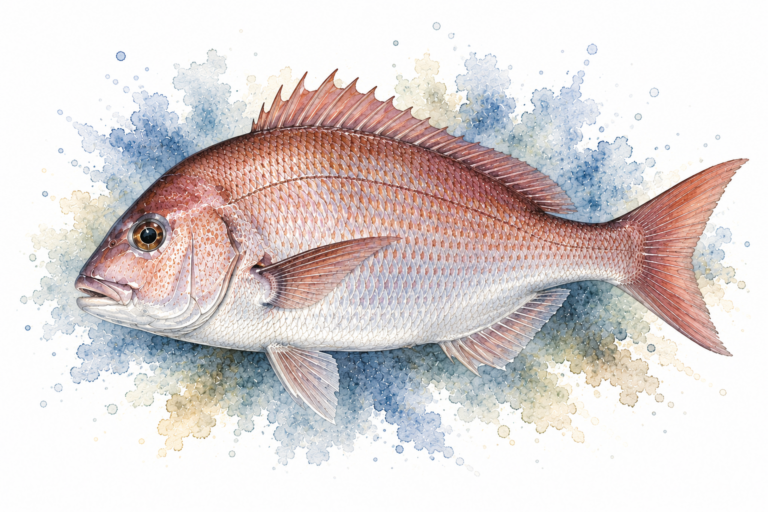
Mangrove Jack
Scientific name: Lutjanus argentimaculatus
Common names: Mangrove Jack, Jack, Mangrove Red
Average size: 1–5 kg
Trophy size: 8–12 kg+
Activity pattern: Structure-oriented ambush predator
Distribution and key locations (Australia)
Mangrove jacks occur throughout northern and eastern Australia and are among the most aggressive estuary predators in the country.
Prime regions
- QLD: Entire coast, especially central and northern regions
- NSW: Northern and central estuaries
- NT: Estuaries, rivers, mangrove systems
- WA (north): Kimberley and Pilbara systems
High-percentage areas
- Mangrove-lined creeks
- Rock bars and rock walls
- Bridge pylons
- Deep snags and timber
- Harbour structures and marinas
- Reef systems adjacent to estuary mouths
If there isn’t heavy structure nearby, you’re probably not in mangrove jack territory.
Habitat features to look for
Mangrove jacks are brutal ambush predators. They live inside cover and attack anything that passes too close.
Key structure
- Fallen timber
- Rock walls
- Mangrove roots
- Bridge and jetty pylons
- Undercut banks
- Deep creek bends
- Artificial structures
Water conditions
- Warm water (>22°C)
- Moderate tidal flow
- Stained or coloured water
- Baitfish presence
- Current pushing against structure
If baitfish are nervous around heavy cover, assume a jack is watching.
Seasonal patterns
Best seasons
- QLD: Spring → autumn (peak summer)
- NSW: Late spring → early autumn
- NT: Dry season and build-up periods
- WA (north): Warmer months
Why summer?
- Warmer water increases metabolism
- Fish feed more aggressively
- Large adults move into estuaries
- Increased baitfish activity
Unlike mulloway, mangrove jacks become increasingly aggressive as water temperatures rise.
Weather and tides (critical)
Ideal conditions
- Hot, humid weather
- Storm build-up conditions
- Rising barometer after storms
- Strong tidal movement
- Low-light periods
Avoid
- Cold snaps
- Very clear, stagnant water
- Minimal tidal movement
- Extended periods of cool weather
Best bite windows
- First hour of the run-in tide
- Last hour of the run-out tide
- Dawn and dusk
- Periods immediately after afternoon storms
Moving water is far more important than the actual tide height.
Bait – what actually works
Mangrove jacks are opportunistic predators and rarely refuse a well-presented live bait.
Top natural baits
- Live mullet
- Live herring
- Live prawns
- Live poddy mullet
- Live whiting
- Live garfish
- Fresh strip baits
- Whole pilchards
Bait rules
- Live beats dead
- Active beats stationary
- Fish as close to structure as possible
- Heavy leader is essential
If you’re not occasionally getting snagged, you’re probably fishing too far from the structure.
Tackle and rigs
Rod and reel
- Rod: 6–7 ft medium-heavy baitcast or spin
- Reel: 3000–5000 spin or low-profile baitcaster
- Line: 20–50 lb braid
- Leader: 30–80 lb fluorocarbon
Terminal gear
- Strong live-bait hooks 4/0–7/0
- Minimal sinker weight
- Heavy-duty snaps and swivels
- Abrasion-resistant leader
Common rigs
- Unweighted live bait
- Light running sinker rig
- Paternoster rig around deep structure
- Pinned live prawn or mullet
The first three seconds of the fight usually determine who wins.
Lures (when and why)
Lures are one of the most effective ways to target mangrove jacks because they can be placed directly into strike zones.
Effective lures
- Deep-diving hardbodies
- Soft plastics (3–6 inch)
- Paddle tails
- Vibration baits
- Surface walkers
- Poppers
When to use lures
- Around structure
- At dawn and dusk
- During strong tidal flow
- When covering large areas
Surface lures are particularly effective during warm summer mornings and evenings.
Time of day
- Best: Dawn, dusk, night
- Daytime: Productive around deep structure and shaded cover
Night fishing around lights, pontoons and bridges can produce trophy fish. Mangrove jacks become significantly more confident under low-light conditions.
Common mistakes
- Fishing too far from structure
- Using leaders that are too light
- Being unprepared for the initial strike
- Fishing cold water
- Retrieving lures too slowly
- Leaving productive structure too quickly
Most mangrove jack anglers lose fish because they give the fish an inch after the strike.
Final rule of mangrove jack fishing
Find structure + warm water + bait + tidal movement — then fish tighter than feels comfortable.
Mangrove jacks don’t patrol open water. They live inside the structure you’re trying to avoid.
The closer you can present a bait or lure to cover without snagging, the more successful you’ll be.