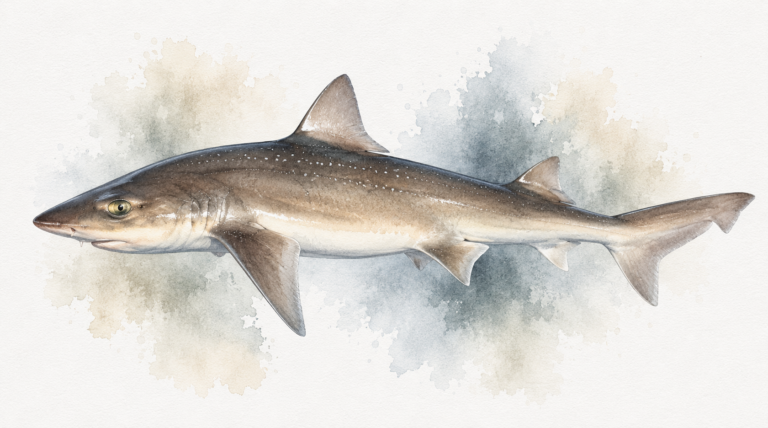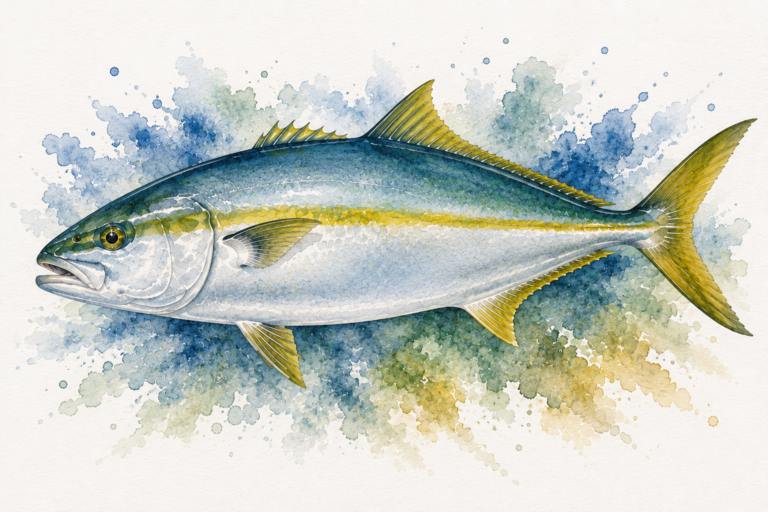
Coral Trout
Scientific name: Plectropomus spp.
Common names: Coral Trout, Common Coral Trout, Leopard Coral Trout
Average size: 2–6 kg
Trophy size: 8–15 kg+
Activity pattern: Daytime reef ambush predator
Distribution and key locations (Australia)
Coral trout are among Australia’s premier reef sportfish and are found throughout tropical northern waters. They are highly structure-dependent and rarely stray far from reef cover.
Prime regions
- QLD: Great Barrier Reef, offshore islands, coral cays
- NT: Offshore reef systems
- WA (north): Kimberley, Pilbara, Ningaloo region
- Coral Sea: Remote reef systems
High-percentage areas
- Coral bommies
- Reef edges
- Drop-offs adjacent to shallow reef flats
- Pressure points with tidal flow
- Isolated reef structures
- Outer reef ledges
If you’re not fishing coral structure, you’re probably not fishing for coral trout.
Habitat features to look for
Coral trout are classic ambush predators. They sit close to cover and launch explosive attacks on passing prey.
Key structure
- Coral bommies
- Steep reef faces
- Channels between reefs
- Coral gutters
- Broken reef country
- Current-washed ledges
Water conditions
- Clear tropical water
- Good tidal movement
- Water temperatures above 22°C
- Healthy baitfish populations
- Moderate current flow
The best trout country combines hard coral structure with strong water movement.
Seasonal patterns
Best seasons
- QLD: Autumn → spring
- NT: Dry season
- WA (north): Dry season through spring
- Coral Sea: Productive year-round
Why the cooler months?
- More stable weather
- Clearer water
- Comfortable offshore conditions
- Strong bait concentrations around reef structure
Coral trout can be caught year-round, but calm weather windows often determine fishing success more than season.
Weather and tides (critical)
Ideal conditions
- Moderate tidal flow
- Stable weather patterns
- Light winds
- Clear water
- Periods of increased current movement
Avoid
- Neap tides with minimal water movement
- Cyclonic weather
- Excessively dirty water
- Extremely strong currents that make presentation difficult
Best bite windows
- First few hours of a building tide
- Periods of peak current flow
- Tidal changes around reef edges
- Early morning feeding periods
Unlike many species, coral trout often feed hardest when tidal movement is strongest.
Bait – what actually works
Coral trout are aggressive predators that readily attack both live and dead baits.
Top natural baits
- Live fusiliers
- Live herring
- Live yellowtail scad (‘yakkas’)
- Live sardines
- Live squid
- Whole pilchards
- Fresh fish fillets
- Strip baits
Bait rules
- Live beats dead
- Fresh beats frozen
- Keep baits close to structure
- Use enough weight to stay near the reef
If your bait isn’t close to the bottom, you’re probably above the trout.
Tackle and rigs
Rod and reel
- Rod: 5’6″–7′ reef rod
- Reel: 5000–10000 spin or overhead
- Line: 30–80 lb braid
- Leader: 60–120 lb fluorocarbon or mono
Terminal gear
- Circle hooks: 6/0–10/0
- Heavy-duty live bait hooks
- Strong swivels
- Reef sinkers appropriate to current
Common rigs
- Running sinker rig
- Paternoster rig
- Single live bait rig
- Heavy leader direct to hook
The first dive after hookup is where most coral trout are won or lost.
Lures (when and why)
Lures are highly effective because coral trout are visual predators that react aggressively to movement.
Effective lures
- Soft plastics (5–8 inch)
- Large paddle tails
- Vibration baits
- Deep-diving hardbodies
- Metal jigs
- Slow-pitch jigs
When to use lures
- When covering reef systems
- Strong tidal movement
- Locating active fish
- Deep reef edges
- Clear water conditions
Fast, aggressive retrieves often trigger reaction strikes from fish holding in cover.
Time of day
- Best: Dawn and morning
- Daytime: Excellent throughout the day
- Night: Less commonly targeted but still possible
Unlike many reef species, coral trout remain active and catchable throughout daylight hours.
Common mistakes
- Fishing away from structure
- Using tackle that is too light
- Allowing hooked fish to reach the reef
- Fishing slack water
- Not adjusting sinker weight to current
- Being too cautious after hookup
Most lost coral trout are reefed within the first few seconds of the fight.
Final rule of coral trout fishing
Find coral structure + tidal movement + bait + clear water — then fish as close to the reef as possible.
Coral trout live in the structure, not around it. If you’re occasionally snagging coral, you’re usually fishing in the right zone.