

Introduction
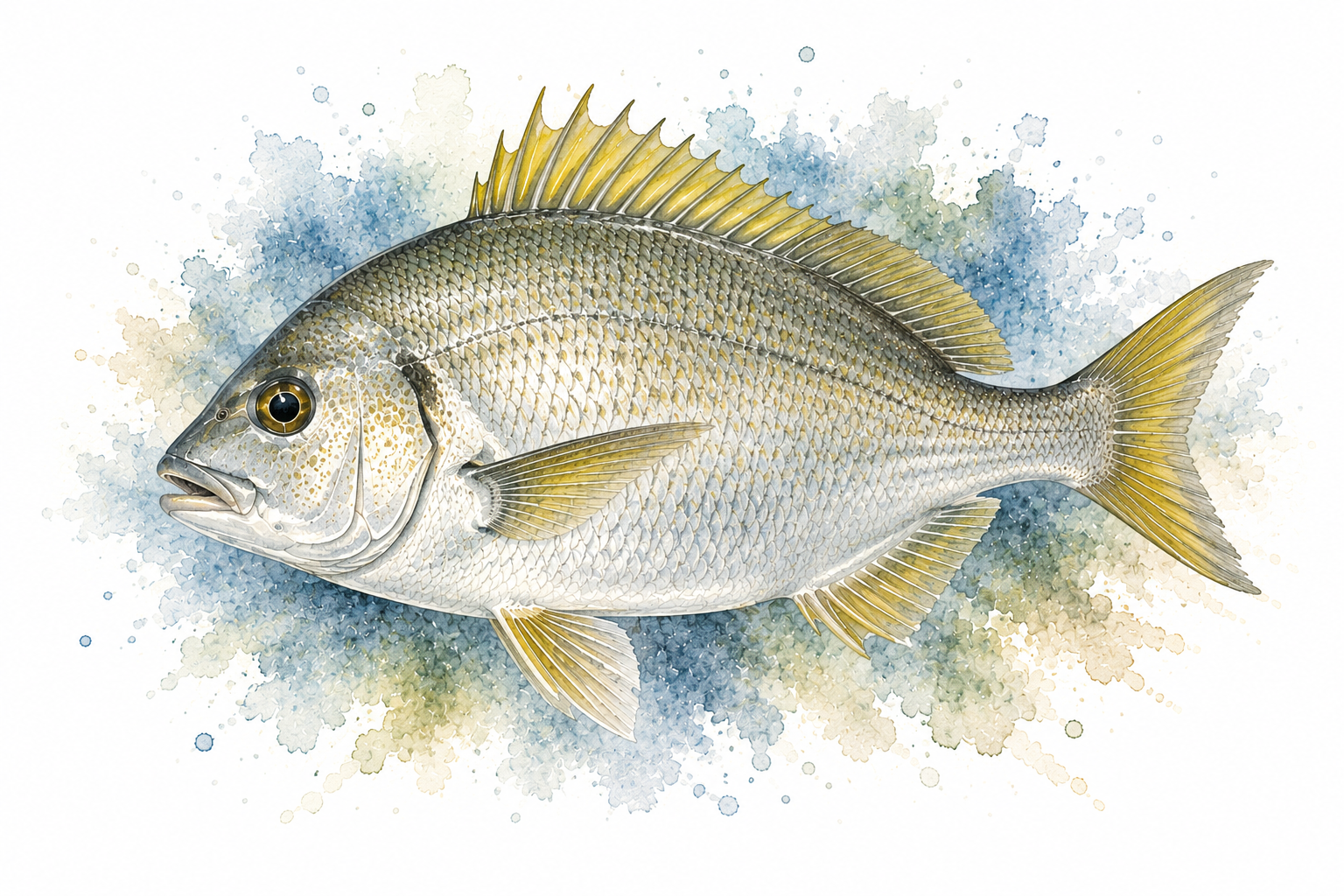
Yellowfin bream are one of the most adaptable and widely distributed estuary fish on Australia’s east coast. They inhabit everything from tiny tidal creeks and urban canals to major river systems, surf beaches, rock platforms and offshore reefs. That adaptability is one of the reasons they continue to challenge anglers despite being so common.
Many anglers make the mistake of treating bream as a simple species. The reality is that large yellowfin bream are often among the most cautious fish in an estuary. A fish that has survived long enough to reach 40cm or more has usually spent years avoiding predators, fishing pressure and poorly presented baits.
Consistently catching quality bream requires understanding where they position themselves, how they feed and how tidal movement influences their behaviour. Unlike many predatory fish that actively hunt schools of baitfish, yellowfin bream spend much of their time searching structure for crustaceans, shellfish, worms and small baitfish. This feeding style dictates almost every aspect of how they should be targeted.
The biggest lesson many experienced bream anglers eventually learn is that location matters more than lure choice. A perfectly presented lure cast to productive structure will often outperform dozens of casts made across featureless water.
Large yellowfin bream rarely roam open water without purpose. They prefer locations that provide both feeding opportunities and protection. Oyster leases, bridge pylons, marina pontoons, mangrove roots, rock walls, breakwalls and submerged timber all provide cover while concentrating food.
In estuaries, the most productive areas are usually places where current interacts with structure. Water movement dislodges prawns, crabs, shellfish and baitfish, creating feeding opportunities. Bream often sit just behind current breaks, conserving energy while waiting for food to drift past.
During autumn and winter, mature fish begin moving towards river mouths and coastal spawning areas. This migration creates some of the best opportunities of the year to catch genuinely large fish. Many of the trophy-class bream captured each year come from river entrances, breakwalls and nearby surf zones during this period.
Understanding these seasonal shifts is critical. Anglers who continue fishing the upper estuary in winter often find smaller resident fish, while those targeting migration routes encounter larger spawning fish.
Tackle and Rigs
One reason yellowfin bream are so popular is that they can be targeted effectively using relatively light tackle.
For general estuary fishing, a 2–4kg or 2–5kg spin outfit paired with 4–8lb braided line provides an excellent balance between casting performance and fish-fighting capability.
Leader choice is often more important than main line strength. In clear water, leaders between 4lb and 8lb frequently produce more bites than heavier options. Around oyster racks, bridge pylons and heavy structure, many experienced anglers increase leader strength to 10–12lb to reduce abrasion losses.
A common mistake is fishing leaders that are unnecessarily heavy. Yellowfin bream often inspect a bait or lure closely before committing. Downsizing leader diameter can dramatically improve results in pressured waterways.
For bait fishing, simplicity usually wins.
A lightly weighted running sinker rig is effective in most situations because it allows fish to pick up a bait with minimal resistance. Small long-shank or baitholder hooks between size 4 and 1/0 cover most estuary situations.
In shallow water, unweighted presentations can be deadly. A peeled prawn, nipper or live yabby drifting naturally with the tide often appears more convincing than a heavily weighted bait pinned to the bottom.
Around breakwalls and deeper channels, slightly heavier sinkers may be necessary to maintain contact with the strike zone, but the goal should always be to use the minimum weight required.
One of the most overlooked bait-fishing techniques for larger bream is allowing a bait to drift naturally beside structure. Fish holding around pylons, pontoons and rock walls are accustomed to seeing food carried past by tidal flow. Presentations that move naturally often outperform static offerings.
When to Use Lures
Lure fishing has transformed modern bream angling because it allows anglers to target structure with far greater precision than bait fishing.
The most successful lure anglers focus less on retrieving through open water and more on placing lures into areas that other anglers avoid casting.
Bridge pylons, oyster racks, pontoon edges, marina walkways and rock walls all hold fish, but success often depends on placing the lure within centimetres of the structure.
A cast that lands one metre away from a pontoon may go unnoticed. A cast that lands tight against the shaded edge often gets eaten immediately.
Small hardbody lures remain among the most effective options available. Shallow divers excel around pontoons, rock walls and flats, while deeper divers are valuable when fish hold along channel edges or deeper structure.
Soft plastics are particularly effective because they imitate many of the species that bream naturally feed on. Small prawn profiles, grub tails and baitfish patterns all produce results.
One advantage of soft plastics is versatility. They can be hopped along the bottom, slow-rolled through mid-water or allowed to drift naturally with current.
Surface lures deserve special attention because yellowfin bream are surprisingly aggressive topwater feeders.
During warmer months, fish frequently move into extremely shallow water to feed. Early mornings and late afternoons often provide excellent opportunities to target them with small walkers and poppers.
Many anglers fish surface lures too quickly. A slow retrieve with regular pauses often produces significantly better results. Large bream frequently track a lure for several metres before committing.
Blade lures and vibes become increasingly effective during cooler months when fish concentrate in deeper water. These lures allow anglers to maintain contact with fish holding near the bottom while covering water efficiently.
Time of Day
Yellowfin bream can be caught throughout the day, but certain periods consistently produce better fishing.
Early morning remains one of the most productive times to target larger fish. Reduced light levels allow bream to move away from cover and feed more confidently.
This period is particularly effective on shallow flats, around mangrove edges and near structure-lined shorelines.
Late afternoon often produces a similar feeding window. As light levels begin to fall, fish frequently become more active and move into areas they may avoid during bright daylight hours.
Night fishing can be exceptionally productive, especially in heavily pressured waterways.
Large bream that spend daylight hours buried deep in structure often emerge after dark to feed. Bridge lights, marina lighting and illuminated canals attract baitfish and prawns, creating concentrated feeding opportunities.
Many of the biggest urban bream are caught after sunset for this reason.
During winter spawning migrations, daytime fishing around river mouths and breakwalls can still produce excellent results because fish are often concentrated and actively feeding.
Rather than focusing solely on time of day, anglers should prioritise periods when favourable tidal movement overlaps with low-light conditions.
An early morning incoming tide or evening run-out tide frequently produces some of the most reliable fishing of the year.
Common Mistakes
The biggest mistake anglers make when targeting yellowfin bream is failing to fish close enough to structure.
Most quality fish position themselves extremely tight to cover. Casting several metres away from the target dramatically reduces the likelihood of a strike.
Another common mistake is using tackle that is too heavy.
Heavy leaders, oversized hooks and bulky terminal tackle often reduce bites, particularly in clear water. While heavier gear may occasionally be necessary around oysters and rocks, lighter presentations generally produce more consistent results.
Many anglers also move too quickly.
Bream often occupy relatively small feeding zones. A productive pontoon, pylon or rock wall may hold multiple fish, but they are not always willing to strike immediately. Thoroughly working high-percentage structure usually produces better results than constantly searching for new water.
Poor tidal planning also limits success.
Fishing structure without considering water movement frequently leads to disappointing sessions. Bream position themselves based on current flow, and understanding how tide influences fish location is often more important than lure selection.
Another mistake is ignoring seasonal movements.
Large spawning fish do not remain evenly distributed throughout an estuary year-round. During autumn and winter, focusing effort near river mouths, breakwalls and adjacent coastal areas often produces significantly larger fish than fishing upstream locations.
Finally, many anglers strike too aggressively.
Bream frequently mouth a bait before fully committing. Allowing a brief moment for the fish to load the rod often results in more secure hook-ups than striking immediately.
The Bottom Line
Yellowfin bream reward anglers who pay attention to detail.
Success rarely comes from covering vast areas of water or constantly changing lures. It usually comes from understanding how fish relate to structure, current and seasonal movement.
The most consistent anglers focus on locations where tidal flow concentrates food. They make accurate presentations, use appropriately light tackle and fish patiently around high-percentage structure.
Whether you’re targeting fish around oyster racks in a coastal river, working surface lures across a shallow flat, drifting baits beside a bridge pylon or chasing winter fish around a river entrance, the principles remain the same.
Find structure that concentrates food. Fish during periods of moving water. Present baits or lures naturally. Stay precise.
Do those things consistently, and yellowfin bream become a far more predictable species than their reputation suggests. The anglers who regularly catch trophy fish are rarely doing anything complicated—they are simply making better decisions about where, when and how they fish.