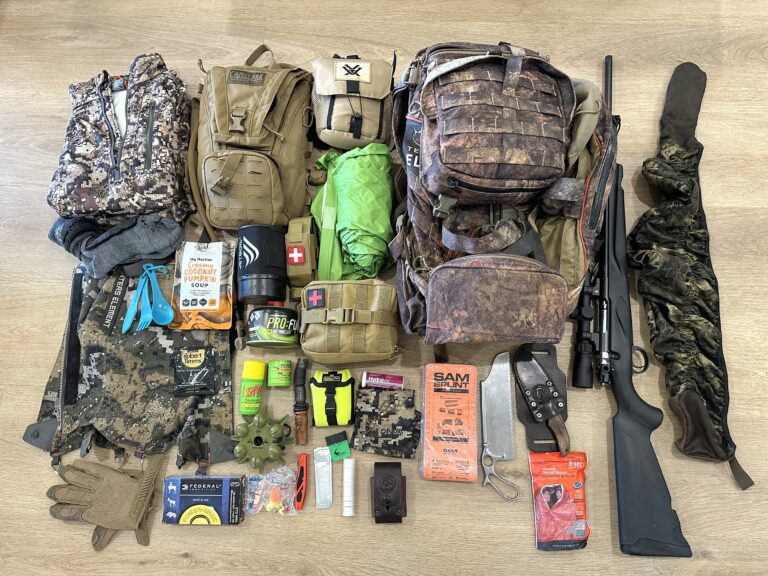
This article contains my submission to the Parliamentary Committee in opposition of the Combating Antisemitism, Hate and Extremism Bill 2026.
Executive Summary
This submission opposes the Combating Antisemitism, Hate and Extremism Bill 2026 on the grounds that it:
- Targets law-abiding citizens rather than genuine threats — licensed firearm owners are heavily vetted yet treated as a risk category; extremists continue to exploit illegal channels unaffected by these laws.
- Undermines freedom of speech — vague and overbroad provisions criminalise lawful expression while exempting religious texts, creating exploitable loopholes.
- Erodes the rule of law — licence decisions and penalties may be imposed on the basis of untested allegations, intelligence assessments, or quashed charges, inverting the presumption of innocence.
- Represents collective punishment — compliant Australians are penalised for the actions of extremists who are not deterred by the Bill.
- Demonstrates procedural failings — consultation was rushed, unbalanced, and excluded key stakeholders, raising concerns about democratic accountability.
The Bill’s measures do not prevent extremism or violence, yet they expand state power, suppress lawful speech, and target compliant citizens.
Introduction
I make this submission in strong opposition to the Combating Antisemitism, Hate and Extremism Bill 2026. While combating genuine violence and extremism is a legitimate objective, this Bill represents a profound overreach of state power and poses a direct threat to freedom of speech, procedural fairness, and the rule of law.
As a law-abiding firearm owner, I am particularly concerned that this legislation continues a dangerous pattern: expanding executive and administrative powers at the expense of individual rights, while targeting compliant citizens rather than addressing the root causes of ideological violence.
Freedom of Speech: Overreach, Vagueness, and Selective Protection
- The Bill significantly lowers the threshold for criminal liability in relation to speech, symbols, and expression, relying on subjective and speculative standards rather than demonstrable harm.
- This creates a chilling effect on lawful political, cultural, and social discourse.
- Of particular concern is the explicit exemption for religious texts, while newly created ideological material receives no equivalent scrutiny. This creates a loophole where new material may be written to incite hatred or violence while remaining technically lawful.
- The result is the selective criminalisation of speech based on form, not substance, inviting arbitrary enforcement.
- Once the state claims the power to decide which ideas may be expressed, freedom of speech exists in name only.
Erosion of the Rule of Law and Presumption of Innocence
- The Bill allows serious consequences to flow from allegations rather than proven guilt.
- Firearms licences may be refused, suspended, or revoked based on:
- intelligence assessments,
- untested allegations,
- withdrawn or quashed charges, or
- information never tested in open court.
- This is effectively punishment without conviction, replacing the presumption of innocence with a system of administrative suspicion.
- Such a model is ripe for abuse, including vexatious or ideologically motivated complaints.
Collective Punishment and Scapegoating of Firearm Owners
- Licensed firearm owners are among the most heavily vetted and regulated citizens in Australia, yet the Bill treats them as a risk category rather than citizens entitled to equal protection under the law.
- Supporters often cite acts of mass violence, including the Bondi Junction attack, as justification for expanding firearms-related powers. There is no credible evidence that these measures would have prevented such incidents.
- The perpetrators were already known to authorities and embedded in extremist networks—precisely the category the Bill claims to target.
- Reporting by the Sydney Morning Herald reveals that police feared associates of the Bondi attacker linked to Islamic State were actively seeking weapons. Notably, one associate, Isaak El Matari, now imprisoned for terrorism-related offences, claimed in correspondence from prison that he was still capable of importing firearms and other weapons into Australia despite already being in custody (SMH, 17 December 2025).
- This illustrates that extremists exploit illegal channels, transnational networks, and systemic weaknesses, while the Bill punishes compliant, law-abiding citizens.
- This is not targeted risk reduction—it is collective punishment.
Consultation in Name Only
- A 72-hour consultation period for legislation of this scope is manifestly inadequate, denying the public a meaningful opportunity to scrutinise the Bill.
- Representation from firearm owners, shooting sports organisations, and regional communities was largely absent, while consultation was dominated by organisations opposed to civilian firearm ownership, many of which lack practical understanding of lawful use and maintenance.
- This is policy-making by exclusion, undermining democratic accountability.
Political Expediency Over Democratic Accountability
- The rushed nature of this Bill, combined with limited consultation and resistance to public critique, signals a willingness to override democratic norms in pursuit of political objectives.
- Powers introduced “for extreme cases” are rarely confined to their original purpose, and history demonstrates that administrative discretion can erode civil liberties over time.
Conclusion
This Bill represents a decisive shift away from foundational principles of Australian law: freedom of expression, equality before the law, and the presumption of innocence.
It will not stop extremists.
It will not prevent violence.
It will, however, expand state power, suppress lawful expression, and punish compliant citizens without due process.
I urge the Committee to:
- Reject the Bill in its current form;
- Extend the consultation period; and
- Commit to legislation that targets criminal conduct, not lawful speech or ownership.
Australians should not surrender fundamental liberties for the illusion of safety.
Signed:
Luke Eyles