
Introduction
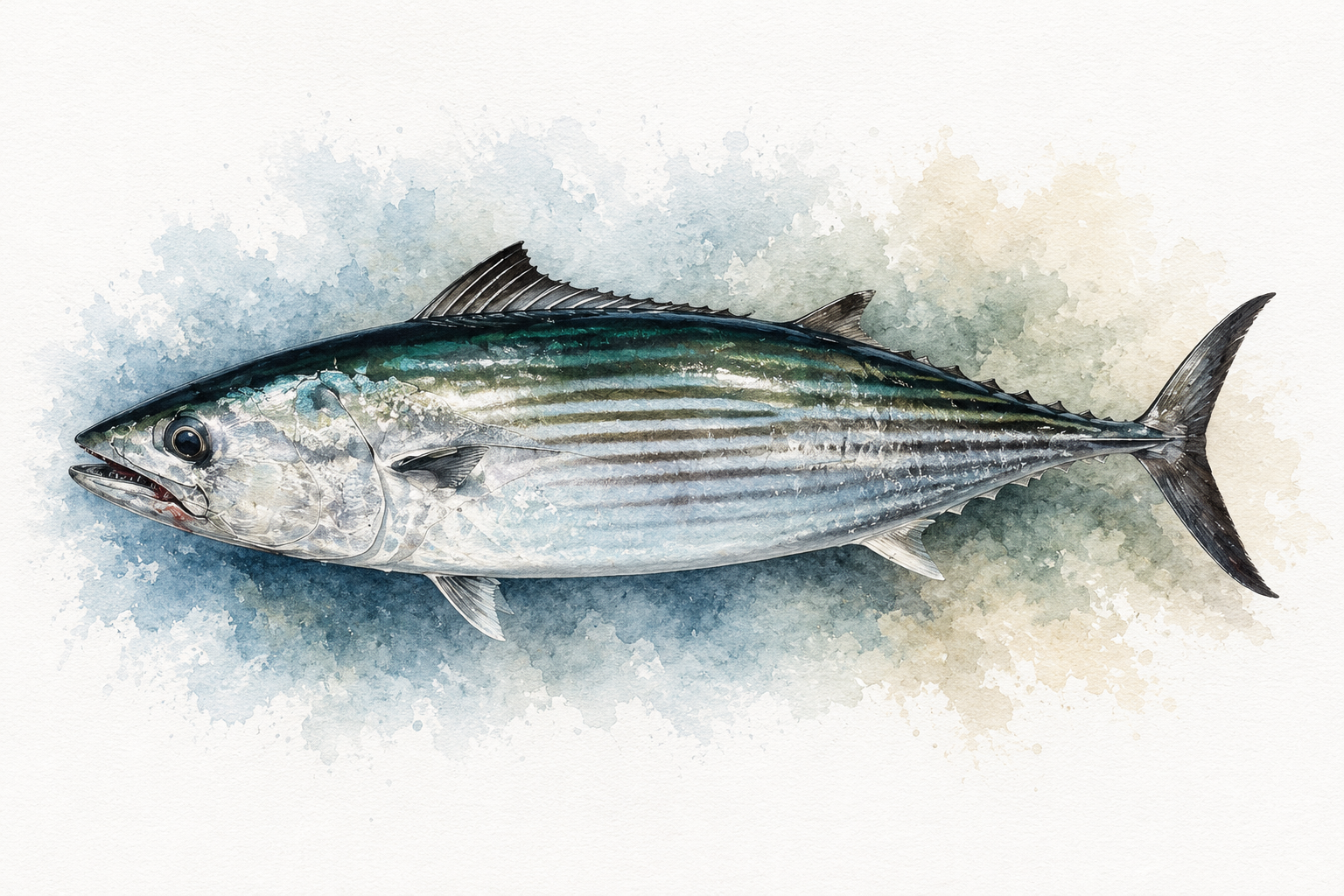
Australian bonito has long been regarded as one of the finest fish baits available to Australian anglers. While many anglers catch them for sport, experienced offshore and rock fishermen often have another objective entirely—secure a fresh bonito early in the session, then spend the rest of the day fishing with premium bait.
The reason is simple. Bonito combines almost every characteristic you could ask for in a cut bait: exceptionally oily flesh, remarkably tough skin, excellent casting durability and a powerful scent trail that continues to leak natural oils into the water long after the bait has been deployed.
Unlike garfish or yellowtail scad, bonito isn’t defined by a single presentation. One fish can produce strip baits for snapper, slabs for mulloway, butterfly fillets for kingfish and cubes for berley, making it one of the most versatile bait species available.
Learning how to process and prepare bonito properly is far more important than simply catching one. Handled correctly, a single fresh fish can provide enough premium bait for an entire day’s fishing—or several future trips.
Sourcing the Bait
Most anglers source bonito by catching them while targeting pelagic species around headlands, offshore reefs, islands and bait schools.
Schools often reveal themselves through surface activity, diving seabirds or showers of fleeing baitfish. Fast-retrieved metal slugs remain the most reliable method of catching them, although small trolling minnows and other high-speed lures also produce fish consistently.
Many experienced anglers intentionally devote the first part of a trip to catching a bonito before switching their attention to larger target species. This approach ensures the freshest possible bait and often produces noticeably better results than relying on frozen bait carried from home.
Once a bonito is landed, treat it like premium table fish even if it is destined solely for bait. Bleeding the fish immediately and placing it straight onto ice dramatically improves flesh quality. Firm, well-chilled flesh is easier to prepare, stays on the hook longer and continues releasing natural oils throughout the day.
Although frozen bonito is occasionally available from bait suppliers, freshly caught fish consistently outperforms commercially stored alternatives.
Recognising Quality
Fresh bonito is immediately recognisable by its appearance and firmness.
The skin should retain its bright metallic sheen, while the eyes remain clear and slightly convex. Fresh flesh feels dense and resilient rather than soft or watery, with a rich, dark red bloodline and a clean ocean smell.
If you’ve caught the fish yourself, proper handling determines quality more than anything else. A fish that is bled and chilled immediately will remain firm for hours, whereas one left in the sun or lying in the bottom of a boat quickly softens, making clean bait preparation far more difficult.
When using frozen bonito, avoid fish that show signs of freezer burn, excessive dehydration or repeated thawing. These fish lose much of their natural oil content and hook-holding ability.
Storage and Care
Bonito rewards careful handling more than almost any other fish bait.
The ideal sequence is simple: bleed the fish immediately after capture, place it on ice, then prepare it only when required. Rapid chilling preserves the flesh, locks in natural oils and keeps the skin exceptionally tough.
For longer trips, many anglers fillet the fish once ashore before dividing it into bait-sized portions. Vacuum sealing individual packs protects the flesh from freezer burn and makes it easy to thaw only what is needed for a session.
Keep skin-on fillets as intact as possible until they’re required. Cutting strips or slabs immediately before fishing produces firmer bait and minimises moisture loss.
Avoid allowing bonito to soak in meltwater inside the icebox. Good drainage keeps the flesh noticeably firmer and easier to work with.
Repeated freezing and thawing is one of the quickest ways to ruin premium bonito bait. Freeze it once, thaw it once and use it.
Preparing the Bait
Preparation is where bonito truly separates itself from other fish baits.
Its tough skin and oily flesh allow it to be cut into multiple bait styles, each suited to different fishing situations.
Strip baits are the most versatile option. Long, tapered strips cut with the skin attached cast exceptionally well, remain secure on the hook and flutter naturally in current. They are equally effective for snapper, mulloway, reef species and many offshore predators.
Larger slabs expose more flesh and release a stronger scent trail, making them ideal when targeting bigger fish capable of engulfing substantial baits.
Butterfly fillets are a favourite for kingfish, large mulloway and sharks. Leaving both fillets attached near the tail creates a broad, fluttering presentation that pushes plenty of water while continuing to leak oils from the exposed flesh.
Smaller cubes make outstanding berley or compact bottom baits for reef fishing.
Regardless of the cut, leave the skin attached whenever possible. The skin is what gives bonito its outstanding durability. Skinless flesh tears far more easily during casting and survives fewer bites from pickers.
Just as importantly, match the bait to the fish. Oversized slabs may be perfect for kingfish or sharks but are often ignored by fish that would readily eat a neatly trimmed strip.
How to Rig It
Rigging bonito properly begins with choosing the correct cut rather than simply selecting a hook.
Strip baits should be threaded once through the tougher skin end, allowing the tapered tail to move naturally with current and wave action. A streamlined strip tracks cleanly through the water and resists spinning far better than a rectangular offcut.
Slab baits can be pinned through the skin with a single heavy hook or twin snelled hooks when targeting larger predators. The hook should always gain purchase through the skin wherever possible, as this is the strongest part of the bait.
Butterfly fillets are best presented on larger rigs designed for kingfish, sharks and other powerful fish, allowing the bait to flutter naturally while remaining securely pinned.
Although bonito is an exceptionally durable bait, regularly checking for pickers remains worthwhile. Smaller fish often remove exposed flesh while leaving the skin intact, making the bait appear usable despite having lost much of its scent.
Best Fish to Target
Bonito’s versatility is one of its greatest strengths.
Snapper readily take fresh strip baits fished over reef, where the oily flesh creates a steady scent trail without sacrificing casting distance.
Mulloway are another classic target, particularly on fresh slabs or larger strips presented around deep holes, bridge pylons or coastal washes.
Kingfish respond exceptionally well to whole small bonito, butterfly fillets and large slabs, especially around reefs, wrecks and bait schools.
Spanish mackerel, sharks and other large pelagic predators are equally attracted to bonito’s oily flesh, while reef species such as coral trout and cod readily consume smaller strips and cubes.
Very few fish baits perform across such a wide range of species and fishing styles. One bonito can comfortably supply bait for offshore trolling, bottom fishing, reef fishing and surf fishing during the same trip.
Common Mistakes
The biggest mistake anglers make is failing to look after the fish immediately after capture.
Leaving bonito unbled or sitting in the sun quickly softens the flesh and reduces the very qualities that make it such an exceptional bait.
Another common error is removing the skin before cutting bait. While skinless strips may look tidy, they lack the toughness needed to withstand repeated casts and aggressive strikes.
Many anglers also cut every bait the same size regardless of their target species. A snapper strip, a kingfish slab and a mulloway bait all require different proportions if they’re to fish naturally.
Finally, don’t process the entire fish as soon as it’s caught unless necessary. Keeping large sections intact until you’re ready to fish preserves moisture, firmness and natural oils far better than exposing every cut surface to air.
The Bottom Line
Australian bonito has earned its reputation as one of the country’s premier fish baits because it delivers everything serious anglers value—durability, scent, versatility and outstanding fish-catching ability.
Its greatest strength isn’t simply that it catches fish, but that one well-handled bonito can be transformed into a wide variety of specialised baits suited to everything from snapper and mulloway to kingfish, sharks and reef predators.
Catch one early, bleed it immediately, keep it cold and prepare each bait with the skin intact only when required. Those simple habits turn an ordinary bonito into a supply of premium bait that will often outperform frozen alternatives and continue producing fish long after the initial capture.