

Introduction
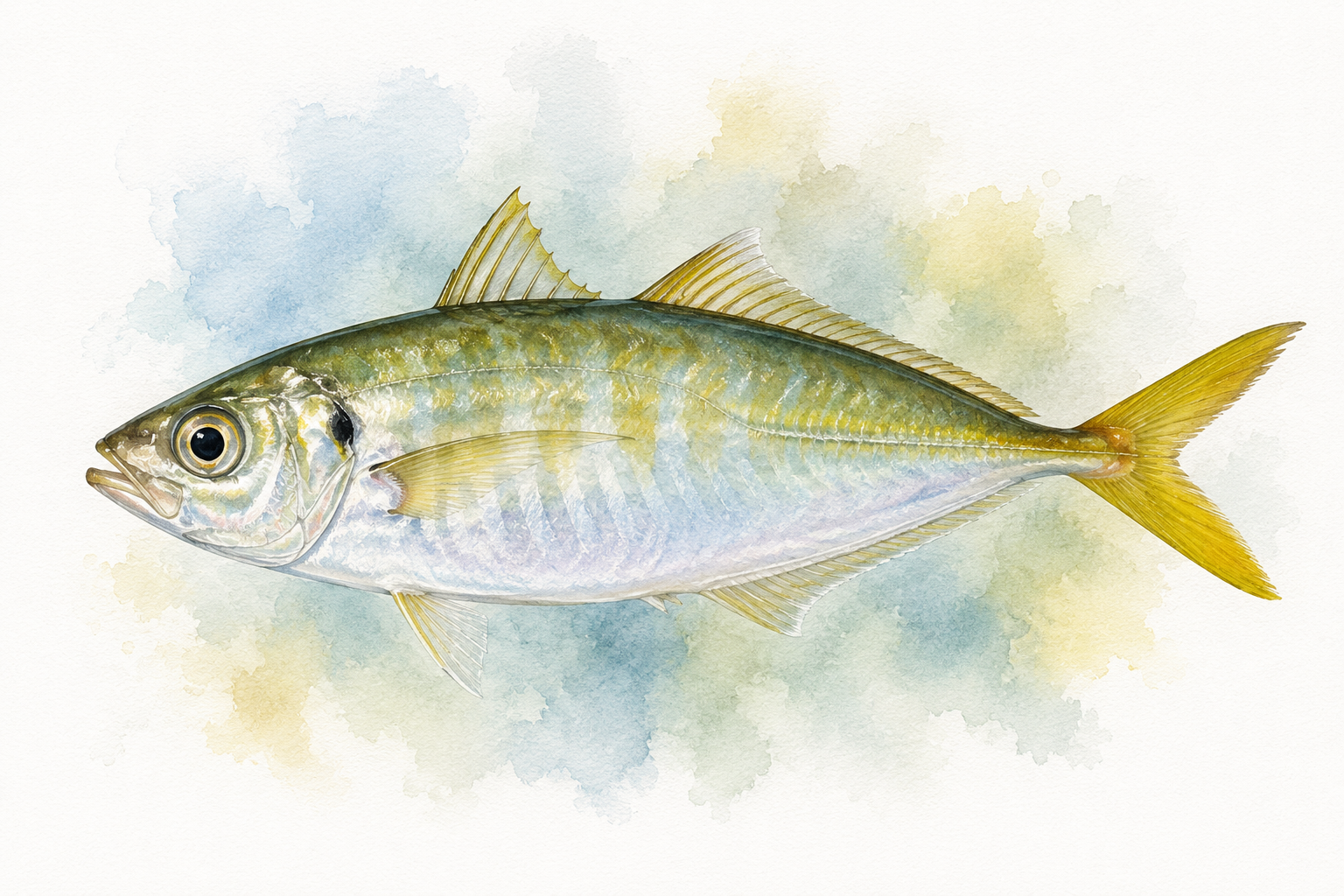
Yellowtail scad, better known to most Australian anglers as yakkas, occupy a unique position in Australian fishing. They are one of the most commonly encountered baitfish species along the southern half of the country, yet many anglers overlook them as a legitimate target species in their own right.
Most recreational fishers first encounter yakkas while gathering live bait for kingfish, mulloway, tuna or sharks. A sabiki rig dropped beside a jetty, harbour wall or navigation marker will often produce a steady stream of fish. Because of this association with bait gathering, many anglers never take the time to understand how the species behaves.
That is a mistake.
Understanding where yakkas school, why they move and how they respond to changing conditions often provides valuable information about the location of larger predators. In many coastal systems, finding yellowtail scad is the first step toward finding kingfish, salmon, tailor, mulloway and tuna.
The species spends much of its life in large schools. Unlike species that relate tightly to the bottom, yakkas are commonly found suspended through the water column. Their location can change hourly depending on current strength, bait concentrations and available structure.
The most reliable locations include deep-water jetties, harbour walls, breakwalls, moorings, navigation markers, reef edges and island washes. Schools often appear on sounders as dense midwater clouds rather than bottom-hugging arches.
One of the biggest mistakes anglers make is assuming yellowtail scad simply occupy every structure permanently. In reality, they move constantly. A jetty that held thousands of fish yesterday may appear empty today if current, water quality or bait concentrations change.
Successful anglers spend more time looking for active schools than waiting for fish to arrive.
Tackle and Rigs
Light tackle is ideal. A 1–3 kg or 2–4 kg rod paired with a 1000–2500 size spinning reel provides more than enough power for even the largest fish. Fine braid between 4–10 lb allows anglers to fish small lures and bait rigs efficiently while maintaining sensitivity.
For bait fishing, long-shank hooks in sizes 8–12 work exceptionally well. Small pieces of pilchard, squid or fish flesh outperform larger offerings. The most productive rig remains the humble sabiki. Multi-hook bait jigs allow anglers to quickly identify the depth at which schools are holding.
One useful tactic is counting the sink time of the rig after locating fish on sonar. Once the productive depth is identified, anglers can repeatedly place the rig directly into the feeding zone rather than fishing blindly.
When targeting larger fish around reefs and offshore structure, heavier tackle may be required simply because kingfish, bonito and salmon frequently attack hooked yakkas before they reach the surface.
When to Use Lures
Although bait catches plenty of fish, lures are often more efficient. Small bait jigs dominate because they imitate the tiny crustaceans and baitfish that schooling yakkas naturally feed upon. Micro metal lures between 3–10 grams can be extremely effective when schools are actively feeding near the surface. Fast retrieves interspersed with short pauses often trigger multiple follows. Small paddle-tail plastics and tiny stickbaits also produce results when fish become selective.
One observation shared by many experienced bait collectors is that lure size matters more than lure colour. Schools feeding on tiny prey frequently ignore larger presentations regardless of how realistic they appear. If fish are visible but refusing to bite, downsizing should be the first adjustment.
Time of Day
Yakkas can be caught throughout the day, but certain periods are noticeably more productive. Dawn is often the most reliable time around jetties, harbour structures and inshore reefs. Schools frequently move higher in the water column during low-light periods and become easier to locate. Dusk can produce similar results, particularly around artificial lighting where bait accumulates.
Night fishing around illuminated wharves and marina structures can be exceptionally productive. Plankton gathers beneath lights, attracting baitfish and subsequently large schools of yakkas.
During bright midday conditions, fish often shift deeper and become more concentrated around shade lines or deeper structure. Anglers fishing from boats should pay close attention to sounders during daylight hours, as schools frequently remain present even when they are not visible on the surface.
Common Mistakes
The most common mistake is fishing too large. Many anglers use hooks, sinkers and bait pieces designed for snapper or bream and then wonder why they struggle to catch yakkas.
Everything about yellowtail scad fishing improves when tackle is scaled down.
Another mistake is fishing the bottom. While schools occasionally move close to structure, they are often suspended well above it. Anglers who focus exclusively on bottom fishing regularly miss active fish.
Poor berley management also reduces success.
A steady stream of fine particles is far more effective than occasional handfuls of large chunks. The objective is to keep schools interested and concentrated rather than feeding them.
Many anglers also leave productive locations too early. Yakkas often move through structure in waves. A seemingly quiet jetty can suddenly become alive with fish when current strength changes.
Finally, many fishers fail to use yellowtail scad as indicators. If large schools are present, predators are often nearby. Paying attention to yakka activity frequently leads to opportunities on much larger species.
Bait Fishing Applications
Why Yellowtail Scad Make Excellent Bait
Yellowtail scad, commonly known as yakkas, are one of Australia’s most dependable live baitfish and are responsible for countless captures of large pelagic and reef predators. Their combination of endurance, strong swimming ability and highly visible silver-and-yellow profile makes them an easy target for hunting fish. Even after extended periods in a live bait tank, healthy yakkas remain active and continue to swim naturally, producing the vibrations and flashes that predators detect through their lateral line.
Unlike softer baitfish such as pilchards, yakkas have relatively firm flesh and durable skin, allowing them to withstand repeated casts, prolonged live-bait sessions and trolling without tearing free from the hook. Their moderate oil content also releases a steady scent trail once injured or cut, making them equally effective when fished whole or as fresh cut bait. Their widespread availability around Australian jetties, harbour markers, reefs and offshore bait grounds means they are often the first choice for anglers wanting to collect premium bait before targeting larger fish.
Best Target Species
Few Australian baitfish appeal to as many predators as the yakka. Live yakkas are considered one of the benchmark baits for Yellowtail Kingfish, particularly around marker buoys, reef edges, headlands, pinnacles and offshore wrecks where kingfish regularly hunt schooling bait. Their ability to stay alive for extended periods allows them to continually attract attention from aggressive fish.
Large Mulloway also readily take live yakkas around bridges, deep river holes, harbour channels and coastal reefs, particularly after dark. The bait’s natural swimming action makes it especially effective when fished slowly through tidal current.
Snapper frequently take both live and freshly dead yakkas over reefs and gravel grounds, while Spanish Mackerel, Cobia, Samson Fish and various tuna species will aggressively target slow-trolled or free-swimming live baits offshore. Even sharks, large flathead and jewfish respond well to fresh yakka fillets or whole dead baits when presented close to the bottom.
Although yakkas are exceptionally versatile, smaller baitfish such as hardyheads or herring can produce more bites when predators are feeding selectively on tiny forage species, while slimy mackerel often become the preferred option when specifically targeting trophy kingfish or very large Spanish mackerel.
Live Bait Techniques
Live yakkas between 15 and 25 cm suit most applications, although larger specimens are often selected specifically for trophy kingfish, mulloway and sharks. Choosing a bait size that closely matches the local forage generally produces more natural presentations than automatically selecting the largest bait available.
Nose-hooking through the cartilage ahead of the eyes is the most versatile rigging method. It allows the bait to swim freely into the current and works well when free-lining, suspending beneath floats or fishing around structure. When drifting or fishing deeper water, shoulder-hooking behind the head encourages the yakka to swim downward, making it useful when targeting reef species holding close to the bottom.
Single live-bait hooks are suitable for most estuary and reef situations, while twin-hook rigs are commonly used when targeting Spanish mackerel and other species with sharp teeth. Slow trolling a healthy yakka around reef edges, bommies and current lines remains one of the most productive methods for covering water and locating active pelagic fish. Balloon rigs and downriggers are also highly effective for presenting live baits at controlled depths around offshore reefs and bait schools.
The healthier the yakka behaves, the more attention it attracts. Avoid overcrowding live wells and replace tired baits regularly rather than hoping exhausted fish will still draw strikes.
Dead Bait Applications
Freshly dead yakkas remain extremely effective and often outperform live bait when targeting bottom-dwelling species. Whole dead fish are excellent for snapper, mulloway, sharks and larger reef predators, particularly when drift fishing or anchoring over reef.
Butterflied yakkas create a broad, fluttering presentation that releases plenty of scent while remaining securely attached to the hook. This presentation is particularly effective for snapper fishing in moderate current where the opened body produces maximum visual appeal.
Fillets and long strip baits work well for snapper, morwong, gummy sharks and other reef species, while cubed yakka makes excellent berley or bait for species feeding around the boat. Heads are often overlooked but remain highly effective for larger snapper, jewfish and sharks because they stay securely on the hook and continue releasing scent over long periods.
Fresh bait consistently outperforms previously frozen yakkas whenever possible. Once frozen, the flesh softens and becomes less durable, especially in strong current or when pickers are abundant.
Preparing the Bait
Keeping yakkas alive immediately after capture gives the greatest flexibility later in the day. Transfer them carefully from bait jigs into an aerated live bait tank using wet hands or a soft landing net to minimise scale loss and stress.
If they are intended as dead bait, dispatch and ice them as soon as possible. Rapid chilling preserves flesh firmness and natural oils, producing a bait that remains intact on the hook far longer than fish left exposed in a bucket or on a hot deck.
Prepare presentations according to the target species. Whole fish suit live baiting and many reef applications, while butterflied baits expose more flesh for scent dispersal. Long tapered fillets create durable strip baits that flutter naturally in current without spinning excessively.
Avoid repeatedly thawing and refreezing bait, as this quickly softens the flesh and significantly reduces durability.
Transport and Storage
A quality live bait tank with continuous aeration or water circulation is the best way to transport live yakkas. Circular tanks are preferred because they reduce scale damage caused by fish repeatedly striking corners while swimming.
Dead bait should be stored in an ice slurry or on salted ice to cool rapidly without becoming waterlogged. For longer storage, vacuum sealing and freezing individual fish helps reduce freezer burn while preserving their natural oils and firmness.
Whenever practical, use the freshest bait available. Even well-frozen yakkas rarely match the swimming action, scent output and flesh integrity of freshly caught fish.
Collecting Bait
Sabiki rigs remain the most efficient method for collecting yakkas throughout Australia. Productive locations include public jetties, harbour walls, marina pontoons, navigation markers, artificial reefs, inshore wrecks and offshore bait schools where fish congregate around structure.
A light berley trail of finely chopped pilchards, breadcrumbs or mashed fish pellets often holds schools beneath the boat long enough to collect an adequate supply. Fishing with small pieces of prawn, squid or fish on tiny bait hooks also works well when fish are cautious.
Early morning, late afternoon and periods of low light commonly produce the fastest action, although schools may remain available throughout the day around deeper structure and illuminated harbour areas.
Some states permit cast nets or other collection methods under specific regulations, while others do not. Regulations vary considerably between jurisdictions, so always check your local fisheries rules before collecting bait.
Practical Advice
Experienced anglers often spend more time collecting quality yakkas than they do rigging expensive tackle, because healthy bait frequently determines whether a session succeeds or fails. A lively yakka presented naturally will consistently outfish a tired bait, regardless of how sophisticated the rig may be.
Match bait size to the fish you’re targeting rather than automatically selecting the largest yakka available. Medium-sized fish are generally more versatile and attract a broader range of predators, while oversized baits can reduce hook-up rates when targeting smaller kingfish, snapper or mulloway.
Keep handling to a minimum, maintain excellent water quality in the live bait tank and replace stressed fish before they lose their swimming strength. When live bait is no longer practical, immediately convert surplus yakkas into fresh dead bait rather than allowing them to deteriorate. Fresh whole fish, fillets and butterflied baits remain among the most reliable offerings available for Australian reef and estuary predators, ensuring very little of a well-caught bait supply goes to waste.
The Bottom Line
Yellowtail scad are far more than a baitfish.
They are a widespread, accessible and highly useful species that teaches anglers how bait schools interact with structure, current and predators. Understanding these patterns improves success not only on yakkas but also on kingfish, mulloway, salmon, tuna and countless other species that depend on them as prey.
The most consistent approach is simple: find clean water, locate active structure, identify the depth of the school and fish small. When current is moving and bait concentrations are present, yellowtail scad are rarely far away.
For anglers willing to pay attention to their movements, yakkas often reveal far more about a fishery than the species being targeted.