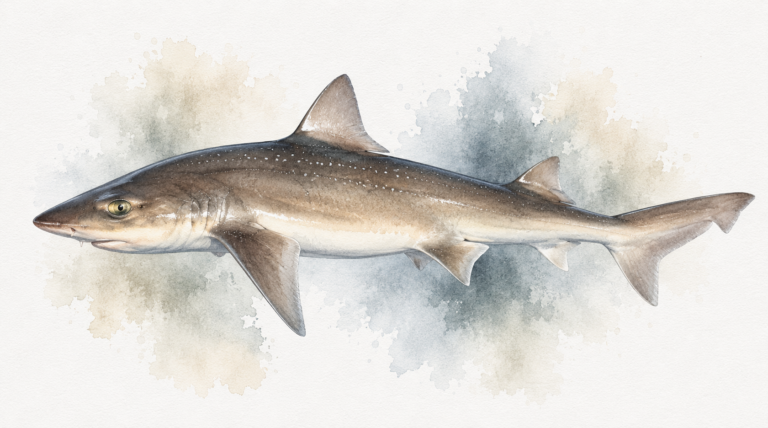
Blue Groper
Scientific name: Achoerodus viridis
Common names: Eastern Blue Groper, Blue Groper, Groper
Average size: 50–90 cm
Trophy size: 1 m+
Activity pattern: Structure-oriented reef feeder, active primarily during daylight hours
Distribution and key locations (Australia)
The Eastern Blue Groper is one of Australia’s most iconic reef fish. Recognisable by its brilliant blue colouration as an adult male and its curious, often fearless behaviour around divers and anglers, the species is closely associated with rocky reef systems along Australia’s east coast.
Blue groper are particularly common in New South Wales and represent one of the largest inshore reef species regularly encountered by recreational anglers.
Prime regions
- Southern Queensland
- New South Wales
- Eastern Victoria
High-percentage areas
- Coastal headlands
- Rocky reefs
- Kelp-covered structure
- Wash zones
- Boulder fields
- Deep ocean ledges
Blue groper spend much of their lives in relatively small home ranges and often remain associated with specific reef systems for years.
Habitat features to look for
Blue groper are highly structure-dependent fish that feed primarily on shellfish, crustaceans, and other reef-dwelling organisms.
Key structure
- Rocky reefs
- Kelp beds
- Surge zones
- Boulder fields
- Deep gutters
- Reef ledges
Food sources
- Sea urchins
- Crabs
- Abalone
- Mussels
- Molluscs
- Crustaceans
Water conditions
- Clean ocean water
- Healthy reef systems
- Moderate water movement
- Abundant marine growth
Productive groper habitat almost always features extensive rocky structure supporting a rich population of shellfish and crustaceans.
Seasonal patterns
Blue groper remain available throughout the year.
Best seasons
- Autumn
- Winter
- Spring
Seasonal notes
- Cooler months often produce more consistent fishing
- Stable ocean conditions improve accessibility to productive reef areas
- Large fish remain resident on quality structure year-round
Unlike migratory species, blue groper rarely undertake large-scale seasonal movements.
Weather and conditions (Critical)
Ideal conditions
- Light swell
- Clean water
- Light to moderate winds
- Stable weather patterns
Best fishing conditions
- Moderate wash around reef edges
- Calm ocean periods following stable weather
- Fishable rock platforms and reef systems
Avoid
- Heavy swell
- Dangerous wash conditions
- Dirty water following storms
Blue groper frequently feed actively in areas where wave action dislodges shellfish and crustaceans.
Bait – what actually works
Natural crustacean and shellfish baits are by far the most effective.
Top natural baits
- Crabs
- Red rock crabs
- Cunjevoi
- Abalone gut
- Prawns
- Sea urchin
- Large shellfish baits
Bait rules
- Tough baits withstand pickers
- Fish close to structure
- Present baits naturally on the bottom
Crab baits remain the benchmark offering for large groper.
Tackle and rigs
Blue groper are exceptionally powerful fish that immediately attempt to return to reef structure after being hooked.
Rod and reel
- Rod: 8–15 kg rock or reef rod
- Reel: 5000–8000 size spin reel
- Line: 20–50 lb braid
- Leader: 30–80 lb fluorocarbon or mono
Terminal gear
- Strong octopus hooks
- Heavy-duty swivels
- Running sinker rigs
- Minimal terminal hardware
Common rigs
- Running sinker rig
- Locked sinker reef rig
- Rock fishing bottom rig
Heavy tackle is often necessary to prevent fish reaching reef structure.
Lures (when and why)
Blue groper are only occasionally targeted with lures but can be caught on artificials under the right circumstances.
Effective lures
- Large soft plastics
- Crustacean imitations
- Slow-pitch jigs
- Bottom-worked soft baits
When to use lures
- Deep reef systems
- Areas with reduced fishing pressure
- Sight-fishing opportunities
Retrieval style
- Slow lifts
- Bottom hopping
- Long pauses
Most strikes occur close to structure.
Boat vs land-based fishing
Boat fishing
Advantages:
- Access to offshore reefs
- Greater depth control
- Ability to target larger fish
Land-based fishing
Excellent around:
- Ocean rock platforms
- Headlands
- Deep wash zones
- Boulder-strewn coastlines
Many of the largest groper are taken from remote rock platforms.
Time of day
- Best: Morning and afternoon
- Daytime: Consistently productive
- Night: Less common
Blue groper rely heavily on sight and are generally most active during daylight hours.
Conservation and regulations
Blue groper are a highly valued species and are subject to strict regulations in some jurisdictions.
In New South Wales, regulations have changed significantly in recent years and anglers should always check current state rules before targeting or retaining fish.
Responsible fishing practices are particularly important around resident reef populations.
Common mistakes
- Fishing away from structure
- Using tackle too light
- Ignoring swell and wash conditions
- Presenting baits above the bottom
- Applying insufficient drag pressure
- Failing to check current regulations
Most lost groper are lost within seconds of hook-up as fish reach nearby reef structure.
Final rule of blue groper fishing
Fish hard structure, use natural crustacean baits, and apply maximum pressure immediately after hook-up.
Successful groper anglers focus on reef systems rich in shellfish and crustaceans, fish close to structure, and use tackle capable of stopping powerful fish before they reach cover. Few inshore Australian species combine the size, strength, and character of a large blue groper.