
Introduction
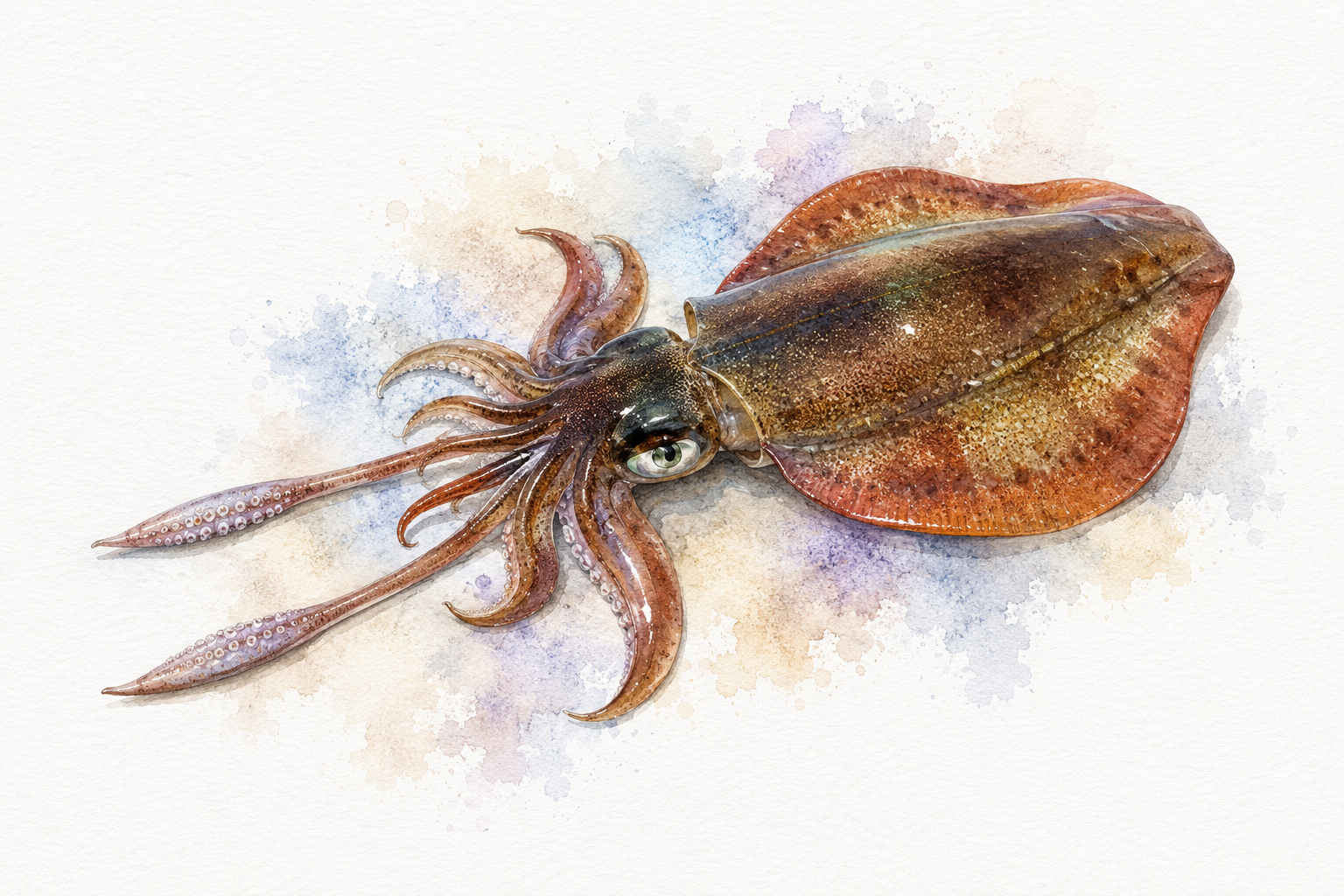
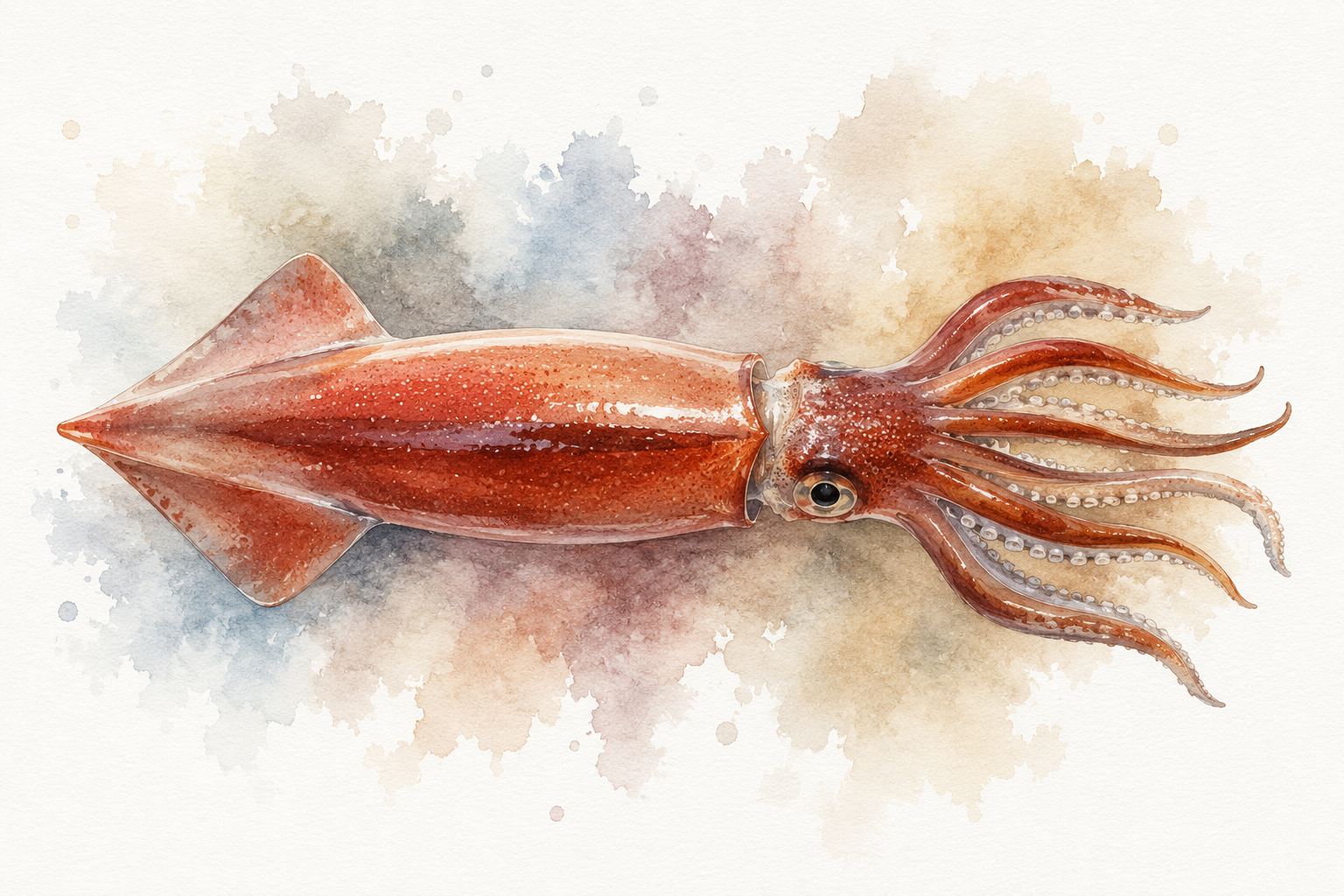
Arrow squid (Nototodarus gouldi) are one of Australia’s most accessible and productive cephalopods. Distributed throughout the cooler temperate waters of southern Australia, they provide exciting light-tackle fishing while also serving as one of the country’s most valuable natural baits.
Unlike southern calamari, arrow squid are primarily open-water hunters. Rather than spending most of their lives over shallow seagrass meadows, they often school over reefs, harbour basins, coastal drop-offs and deeper inshore waters where they pursue schools of baitfish, krill and small crustaceans. This difference in behaviour changes how anglers should approach them. Instead of stalking individual squid across shallow flats, success usually comes from locating active schools that move through productive water.
Although arrow squid can be caught throughout much of the year, seasonal concentrations often develop during the cooler months as mature squid move closer to the coast. Harbours, illuminated wharves, breakwalls and inshore reefs frequently produce excellent catches after dark, while offshore reefs and bait grounds can fish well both day and night.
Because arrow squid grow rapidly and have relatively short lifespans, their abundance can fluctuate from year to year. When conditions are favourable, however, they can appear in extraordinary numbers, providing anglers with both outstanding sport and a plentiful supply of premium table fare or bait.
Learning to understand current, bait movement and light is usually far more important than simply selecting the right squid jig.
Tackle and Rigs
Arrow squid are relatively soft-bodied animals, so tackle should prioritise control rather than brute strength.
A 7 to 8½-foot squid rod or light spin rod rated around 2–5 kg provides enough casting distance while allowing the parabolic action needed to cushion sudden lunges. A rod with a forgiving tip dramatically reduces pulled spikes when squid surge boatside.
A 1000 to 2500 size spinning reel loaded with PE 0.6–1.0 braid offers excellent sensitivity while allowing long casts with lightweight jigs.
Most experienced squid anglers connect their braid to 2–3 metres of fluorocarbon leader between 8 and 12 lb. In exceptionally clear water, lighter leaders often produce noticeably more bites, while heavier leaders become useful around oyster racks, harbour pylons and reef.
The most productive jig sizes generally range between 2.5 and 3.5, although local conditions dictate the best choice. Smaller jigs excel during calm conditions or when squid are feeding on tiny baitfish, while larger models sink more efficiently through current or deeper water.
Colour often matters less than presentation, although natural baitfish patterns perform consistently in bright conditions, while pinks, oranges and luminous finishes regularly excel under artificial lighting or in low-light periods.
Unlike many fish species, hook-setting is unnecessary. Once the squid wraps its tentacles around the jig, steady pressure is all that is required. Sudden strikes often pull the crown free.
When to Use Lures
Artificial squid jigs are by far the most effective method of targeting arrow squid.
The key is controlling the sink rate and keeping the jig working through the depth where squid are actively hunting. Many anglers retrieve too quickly, spending most of the retrieve above the strike zone.
A typical retrieve begins by allowing the jig to sink close to the desired depth before using two or three sharp upward lifts of the rod followed by several seconds of slack line. Almost every squid captures the jig during this pause as it glides naturally back toward the bottom.
If no squid appear after several retrieves, vary both the sink time and retrieve rhythm before changing colours. Sometimes allowing the jig to sink an extra few metres is all that’s required to locate the school.
Around lights, avoid casting directly into the brightest water. Squid frequently patrol the edge of the illuminated zone where baitfish transition between darkness and light.
Boat anglers should also remember that schools often sit beneath the vessel rather than behind it. Vertical jigging can outperform long casts when squid gather directly under the boat.
Time of Day
Arrow squid remain catchable throughout the day, but low-light periods consistently provide the most reliable fishing.
Dawn and dusk often coincide with increased feeding activity as baitfish move through the water column. Calm evenings with clear water can produce prolonged bite windows that continue well into the night.
Artificial lighting transforms many harbours and marinas after dark. Lights attract plankton, which attract baitfish, which in turn attract squid. Productive lights usually develop a defined food chain, and the best fishing often occurs where illuminated water meets darkness rather than directly beneath the light itself.
During daylight hours, deeper reefs and offshore structure generally outperform shallow locations, particularly when water clarity remains high.
Common Mistakes
Many anglers move too frequently.
Arrow squid often arrive in schools. A location that appears lifeless can suddenly produce multiple captures once a school passes through. Giving productive structure adequate time usually produces better results than continually relocating.
Retrieving too quickly is another common mistake. Squid almost always attack during the pause, not while the jig is darting through the water.
Using overly heavy tackle also reduces landing rates. Stiff rods and heavy braid increase the likelihood of tearing the jig free during sudden lunges beside the boat or wharf.
Poor water clarity is frequently overlooked. Heavy rain, river runoff and stirred-up sediment can dramatically reduce visibility, making squid less willing to attack artificial jigs.
Finally, many anglers stop fishing after catching one squid. Because arrow squid commonly school, another dozen may still be beneath the boat.
Bait Fishing Applications
Why Arrow Squid Make Excellent Bait
Few natural baits match the versatility of arrow squid. Their firm mantle withstands repeated casts, pickers and prolonged soak times far better than most fish baits, while the natural scent and amino acids released from fresh squid appeal to an enormous range of Australian predators.
Unlike softer baits, almost every part of the squid is usable. Whole squid suit large predators, butterflied mantles create a broad visual profile, long mantle strips flutter naturally in current, tentacles pulse enticingly even in minimal flow, and offcuts can be cut into cubes for smaller species. Very little goes to waste.
Another major advantage is consistency after freezing. Properly handled arrow squid retain much of their toughness, making them one of the few premium natural baits that continue performing well long after capture.
Best Target Species
Whole arrow squid are among the premier baits for large mulloway, snapper, gummy sharks, school sharks and other sizeable bottom predators. The large profile remains intact during long soak times while continuously releasing scent.
Large reef snapper readily engulf butterflied squid or whole small specimens, particularly over broken reef and gravel.
Narrow mantle strips excel on species including flathead, morwong and King George whiting, where a smaller, naturally fluttering presentation often outperforms bulky whole baits.
Offshore, fresh arrow squid become deadly for yellowtail kingfish, samson fish, southern bluefin tuna and several mackerel species. When predators are feeding on cephalopods, fresh squid frequently outfishes fish-based baits.
Live Bait Techniques
Although less common than with fish bait, live arrow squid can be exceptionally effective for trophy predators.
Small to medium squid are usually nose-hooked or lightly pinned through the tip of the mantle using a single live-bait hook. Both methods allow the squid to swim naturally while minimising damage.
Free-lined squid are deadly around reefs and harbour structure for kingfish and mulloway, while balloon rigs become effective when predators are feeding higher in the water column.
Where current permits, slow-drifting or lightly weighted presentations generally outperform heavily weighted rigs because the squid maintains a more natural swimming action.
Live squid are delicate compared with live fish, so avoid excessive handling and maintain excellent water quality if transporting them in a live tank.
Dead Bait Applications
Dead arrow squid remain outstanding bait and account for countless quality fish each year.
Whole squid are ideal for large predators when long soak times are expected.
Butterflied mantles produce a large, fluttering bait that excels over reef while drifting or fishing at anchor.
Long tapered strips remain one of the most versatile presentations available. Cutting with the grain produces stronger strips that survive repeated casts while still moving naturally.
Tentacles should never be discarded. Their constant movement in even slight current makes them highly effective on snapper, morwong, wrasse, trevally and numerous reef species.
Smaller cubes and head sections also provide useful bait for bottom fishing where pickers are abundant.
Preparing the Bait
Freshly caught squid should be chilled immediately after capture to preserve firmness.
Avoid leaving squid immersed in freshwater created by melting ice, as prolonged soaking softens the flesh and reduces hook durability.
Whole squid provide maximum versatility because they can later be prepared as whole baits, butterflied presentations, strips or cubes depending on the target species.
When cutting strips, use a sharp knife to produce clean, tapered pieces that swim naturally rather than spinning through the water.
Keeping the skin intact wherever possible improves durability and helps hold the bait together after repeated attacks.
Transport and Storage
Arrow squid freeze exceptionally well when handled correctly.
If fishing within a day or two, refrigeration on ice is generally sufficient. For longer storage, vacuum sealing before freezing provides the best protection against dehydration and freezer burn.
An ice slurry rapidly chills freshly caught squid without damaging the flesh, provided they are not left soaking after the ice melts.
Avoid repeatedly thawing and refreezing squid. Each freeze cycle breaks down muscle fibres, producing softer bait that tears more easily from the hook.
Collecting Bait
Many anglers prefer to catch their own arrow squid immediately before fishing.
Productive locations include illuminated jetties, marina walls, harbour breakwalls, reef edges and sheltered bays where baitfish gather after dark.
Boat anglers regularly locate schools over inshore reefs and deeper coastal structure by drifting while working squid jigs through the water column.
Calm nights with clear water generally provide the easiest conditions, although productive schools can also be found during daylight over deeper reefs.
Regulations governing bag limits and collection vary between states, so anglers should always consult their local fisheries authority before harvesting squid.
Practical Advice
Fresh arrow squid consistently outperform poorly stored frozen bait, but well-frozen squid remain remarkably effective and are worth carrying on almost every saltwater trip.
Match the size of the bait to the predator you’re targeting rather than automatically fishing whole squid. Large mulloway and sharks readily engulf whole specimens, while smaller strips often produce more hook-ups on medium-sized reef fish.
Don’t discard any part of the squid. Experienced anglers routinely use the mantle, tentacles, head and offcuts throughout a day’s fishing, selecting each presentation to suit the species and conditions.
When possible, catch squid at the beginning of the session and use them immediately. Few natural baits produce more consistent results than a freshly caught arrow squid fished only minutes after leaving the jig.
The Bottom Line
Arrow squid reward anglers who understand movement rather than location. While productive structure certainly matters, bait concentrations, water clarity, current and light determine whether squid are actually present on any given day.
Successful squid anglers continually adjust sink time, retrieve cadence and fishing depth until they locate actively feeding schools, rather than relying on a single retrieve. Once the school is found, catches can come quickly.
Beyond their value as a sporting species and excellent table fare, arrow squid occupy a unique place in Australian recreational fishing because they also provide one of the most effective natural baits available. A single productive squid session can supply premium bait for numerous future trips targeting everything from whiting and flathead to trophy snapper, kingfish and mulloway.
Whether your objective is fresh calamari for the table or a live squid beneath a balloon for a metre-plus kingfish, learning to consistently locate and catch arrow squid is a skill that pays dividends across almost every branch of Australian saltwater fishing.