
Introduction
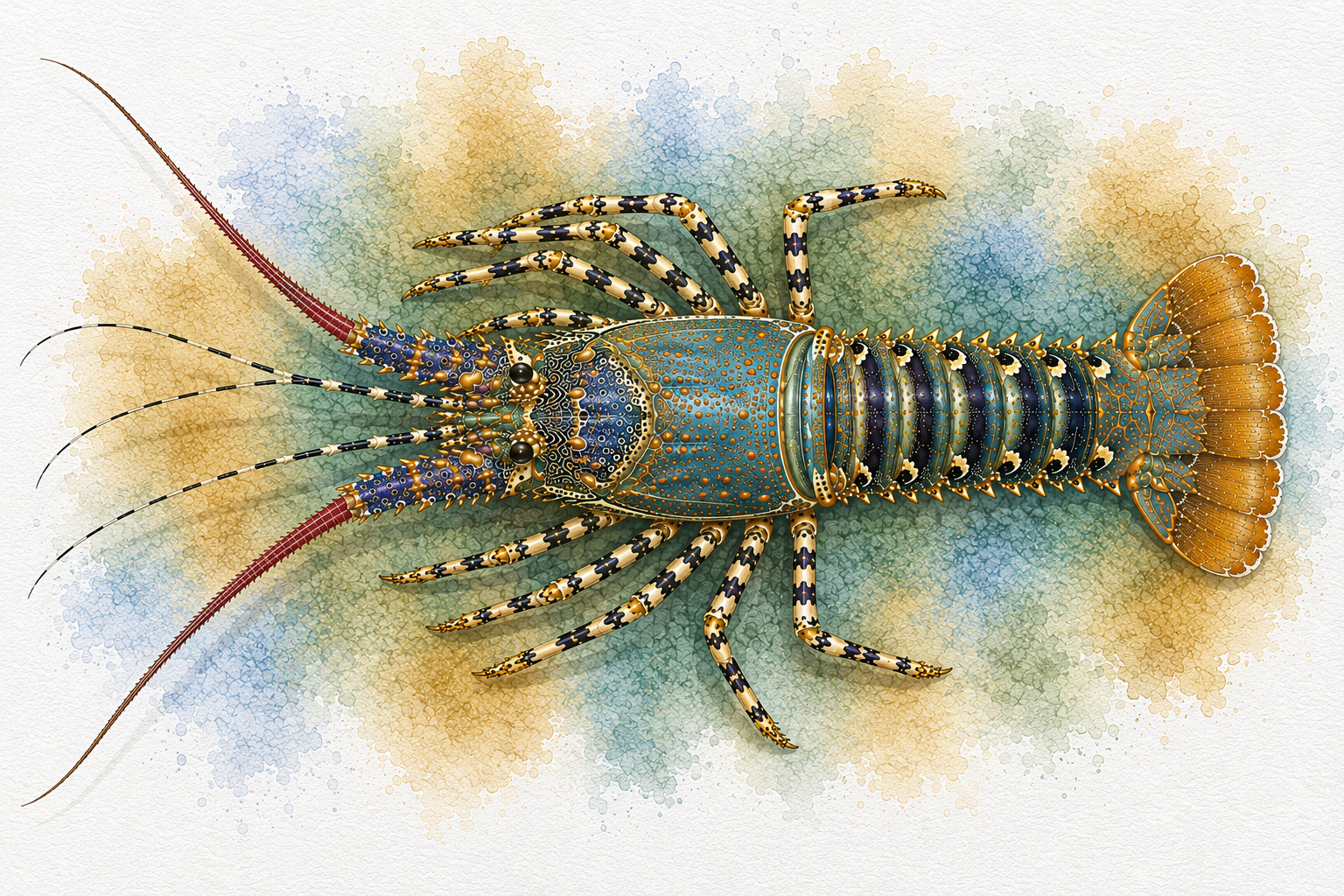
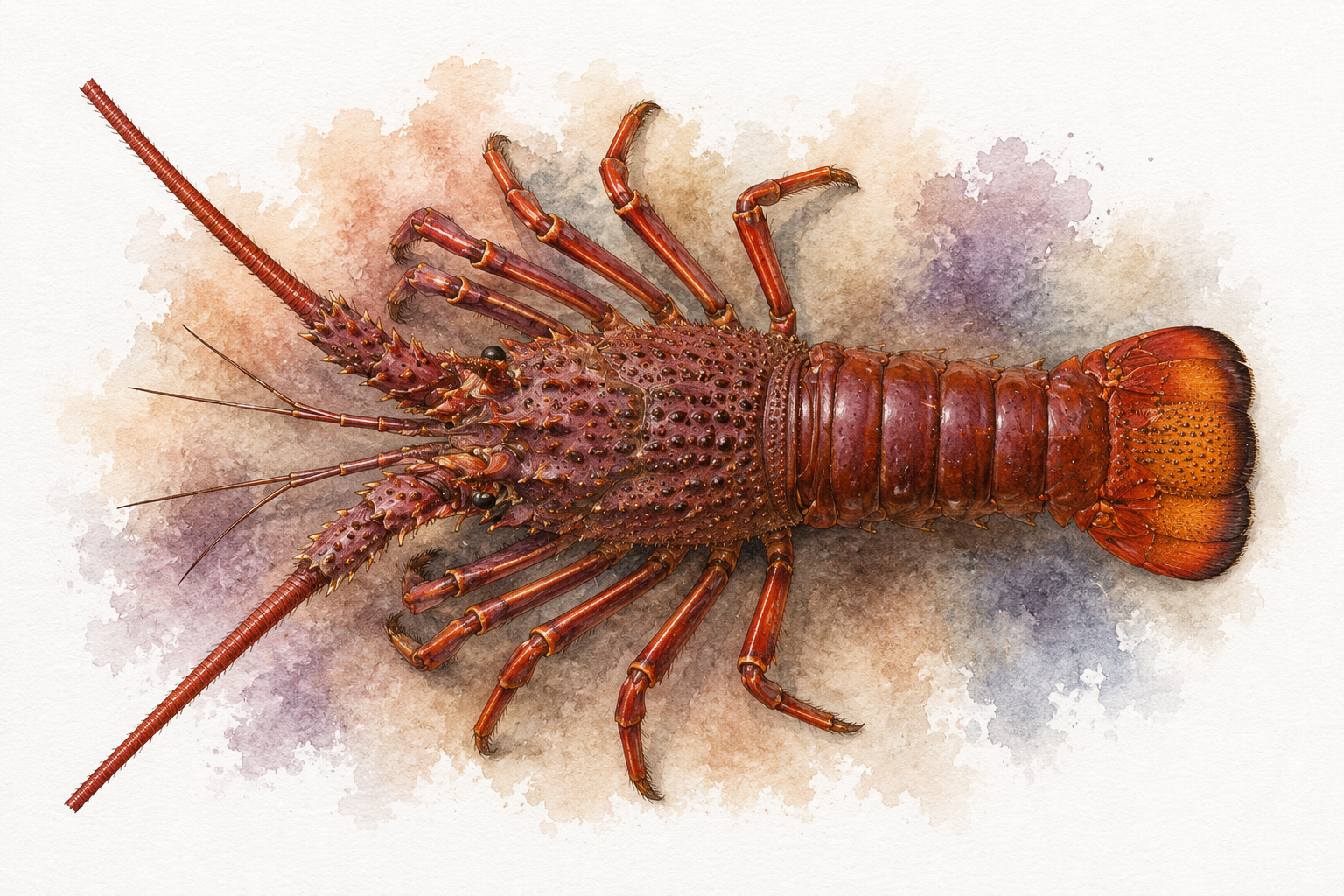
Eastern Rock Lobster (Sagmariasus verreauxi) is one of Australia’s most sought-after invertebrate species, but catching one has far more in common with hunting than conventional fishing. Success depends less on rods and reels and more on understanding reef structure, seasonal behaviour, underwater conditions and the habits of a cautious crustacean that spends most daylight hours hidden deep inside rocky shelter.
Unlike many popular recreational species, Eastern Rock Lobsters rarely wander far from suitable habitat. Adults establish themselves within caves, under ledges and inside narrow crevices where they remain protected from predators until darkness encourages them to emerge and forage. This predictable attachment to structure allows experienced divers to consistently locate lobsters by learning to recognise productive reef rather than searching at random.
The largest recreational fishery occurs along the New South Wales coastline, where extensive rocky reefs, kelp beds and broken boulder country provide ideal habitat. While lobsters also occur into southern Queensland and eastern Victoria, success improves dramatically wherever healthy reef systems contain abundant cracks, caves and undercuts capable of sheltering mature animals.
Although many newcomers assume finding lobster is simply a matter of checking every rock, experienced collectors quickly learn that some reef systems produce consistently while others appear almost barren. Understanding why certain locations hold lobsters is one of the biggest factors separating occasional success from regular catches.
Tackle and Equipment
Because Eastern Rock Lobsters are usually collected by hand while diving, equipment selection focuses on safety and efficiency rather than fishing tackle.
A well-fitting mask with a wide field of vision is invaluable for inspecting narrow crevices, while quality fins help divers maintain position around surge-prone reefs without excessive effort. Gloves are almost essential, protecting hands from sharp oysters, barnacles and the lobster’s heavily armoured shell while improving grip during capture.
Many experienced divers also carry a short measuring gauge attached to their catch bag. Measuring the lobster immediately after capture avoids unnecessary handling and allows undersized individuals to be returned promptly with minimal stress.
Choosing the right dive location is often more important than spending longer underwater. Productive reefs usually combine fractured rock, multiple levels of shelter and moderate current. Large isolated caves can certainly hold trophy specimens, but extensive broken reef containing dozens of smaller crevices often supports greater overall numbers.
Searching efficiently is equally important. Rather than swimming continuously over open reef, experienced divers slow down around promising structure, examining each crack from several angles before moving on. Antennae protruding from a dark crevice are often the only visible clue that a lobster is present.
Where recreational lobster trapping is permitted under state regulations, robust traps baited with fresh oily fish or fish frames can be highly effective. Placement is critical. Traps set adjacent to reef edges, rubble slopes or natural travel corridors consistently outperform those placed on featureless sand.
When to Use Baits
For recreational trapping, fresh bait almost always produces the strongest results.
Oily species such as bonito, Australian salmon, tuna and mullet release a steady scent trail that disperses through surrounding reef systems and attracts scavenging lobsters. Fish frames frequently perform better than neatly trimmed fillets because they remain intact longer while continuing to release scent over extended soak times.
Fresh bait generally outperforms old or heavily decomposed fish. While lobsters readily consume carrion, excessively deteriorated bait loses much of its natural oil and can become less attractive than fresh alternatives.
Divers collecting lobsters by hand obviously have little need for bait, instead relying entirely on locating occupied reef.
When to Use Lures
Lures have no practical role in the recreational capture of Eastern Rock Lobsters.
Unlike finfish that actively pursue moving prey, Eastern Rock Lobsters are benthic scavengers and opportunistic predators that are harvested almost exclusively by hand while diving or by approved lobster traps where regulations permit.
For recreational anglers targeting lobster, time is far better invested improving underwater searching skills than experimenting with artificial presentations.
Time of Day
Eastern Rock Lobsters spend much of the day concealed within shelter, becoming increasingly active after dark as they leave their dens to forage across surrounding reef.
This behaviour influences both divers and trap fishers differently.
For divers, daylight usually provides the greatest advantage. Clear visibility makes it far easier to inspect caves, identify antennae and judge legal size before attempting capture. Calm mornings following several days of settled weather often provide exceptional underwater visibility that dramatically improves success.
Trap fishers, however, benefit from the lobster’s nocturnal feeding behaviour. Lobsters leaving shelter overnight are more likely to encounter baited traps positioned along reef margins or travel routes.
Crepuscular periods around dawn and dusk can also coincide with increased movement, although safe diving conditions should always take precedence over attempting to fish low-light periods.
Common Mistakes
The biggest mistake beginners make is searching the wrong habitat.
Long stretches of smooth sandstone or flat reef rarely support significant numbers of lobsters regardless of water quality. Productive ground almost always contains numerous cracks, overlapping ledges and deep crevices capable of providing permanent shelter.
Many new divers also move far too quickly. Swimming continuously across reef often causes them to overlook the subtle signs that reveal an occupied cave. Slowing down and carefully inspecting likely structure almost always improves results.
Poor water conditions account for many unsuccessful trips. Heavy swell creates surge that makes searching dangerous while stirring sediment that reduces visibility into caves. Waiting several days after rough weather often produces dramatically clearer water and far safer diving.
Another common error is reaching into crevices before identifying exactly where the lobster is positioned. A startled lobster can retreat deeper into shelter or wedge itself firmly against the rock, making capture much more difficult.
Regulatory mistakes are equally important. Eastern Rock Lobsters are managed under strict recreational regulations that vary between jurisdictions. Licensing requirements, size limits, bag limits, possession limits and seasonal closures all differ between states. Responsible fishers should confirm current regulations before every trip rather than relying on memory or advice from other anglers.
Finally, many newcomers focus exclusively on shallow reef. While juveniles commonly occupy very shallow habitat, larger adults frequently establish themselves on deeper reef systems where fishing pressure and diver activity are lower.
The Bottom Line
Eastern Rock Lobster rewards observation, patience and an understanding of reef ecology far more than luck. Anglers and divers who consistently locate productive habitat, wait for suitable sea conditions and search methodically will generally outperform those covering large distances without a plan.
Rather than thinking of lobster collection as simply looking under rocks, approach each reef as a network of feeding areas, travel routes and permanent shelters. Learning to identify the caves, ledges and broken reef preferred by mature lobsters allows you to narrow your search to the most productive water and spend less time exploring unsuitable ground.
Safety should always remain the highest priority. Calm seas, clear water and careful dive planning not only improve catch rates but also reduce the risks associated with working around surge, submerged rocks and low-visibility conditions. No lobster is worth pushing beyond your experience level or diving in conditions that compromise safety.
Finally, remember that Eastern Rock Lobster is one of Australia’s most carefully managed recreational fisheries. Adhering to current regulations, handling undersized animals carefully and harvesting only what you intend to use helps protect the resource and ensures future generations can enjoy the same exceptional fishery. For anglers and divers prepared to put in the time to understand their habitat and behaviour, few coastal pursuits are as rewarding as successfully collecting a legal Eastern Rock Lobster from its natural reef home.