
Introduction
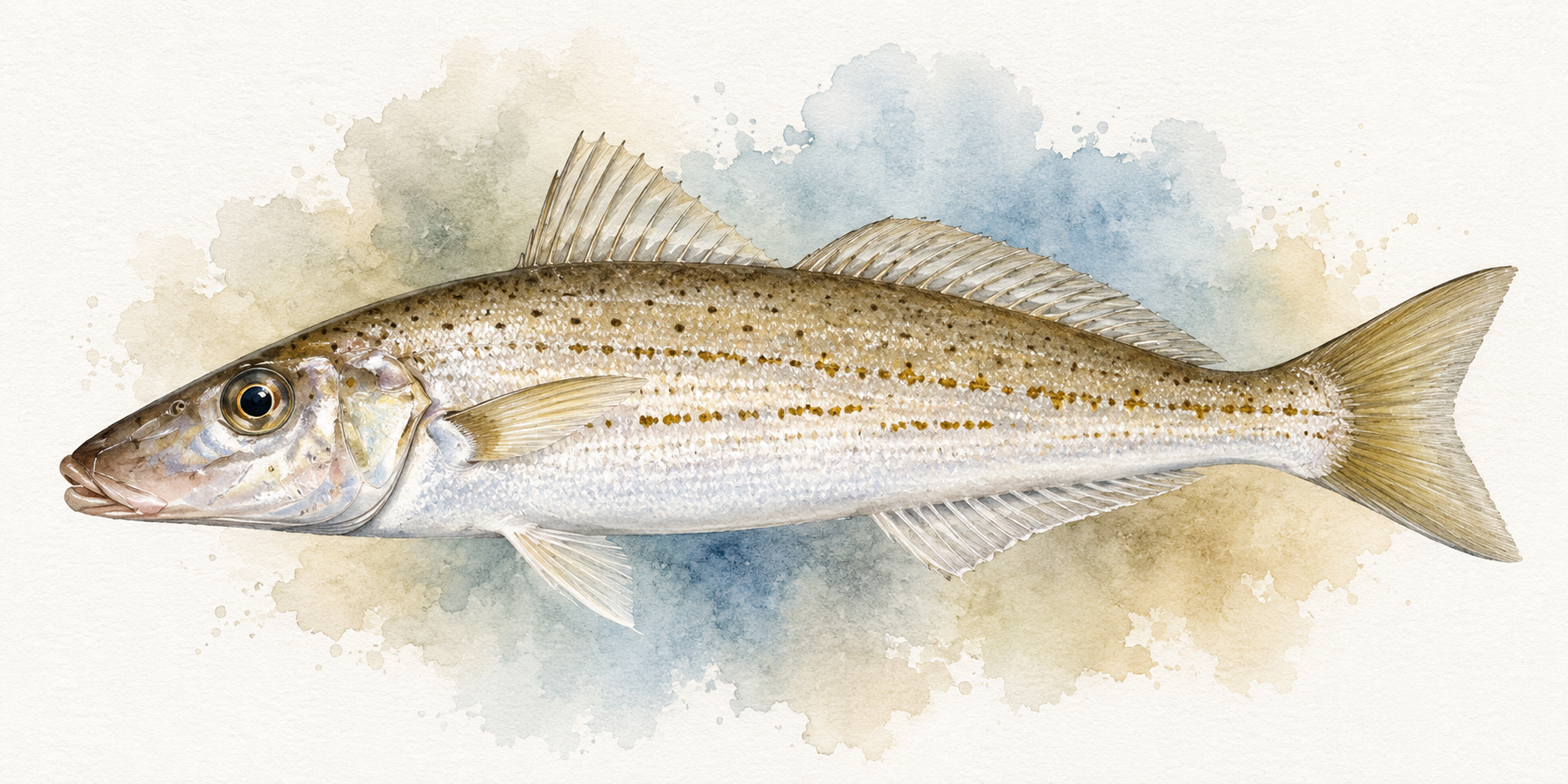
King George Whiting are unlike almost every other popular Australian inshore species. They don’t hold tightly to reef like snapper, patrol structure like flathead or chase schools of baitfish like Australian salmon. Instead, they spend much of their lives methodically searching expansive sand flats and seagrass meadows for marine worms, small crustaceans, molluscs and other bottom-dwelling invertebrates. Understanding that feeding behaviour is the key to catching them consistently.
Although often regarded as a fish for beginners because they readily take natural baits, consistently catching quality King George Whiting requires careful attention to location, presentation and timing. Their bites are often subtle, they move constantly with the tide, and they rarely remain in one place for long if food is scarce.
The species is endemic to southern Australia, occurring from southern New South Wales across Victoria, Tasmania, South Australia and southern Western Australia. Throughout much of this range they support some of Australia’s most important recreational fisheries, with South Australia and Victoria producing particularly renowned populations. Their life cycle is closely linked to extensive seagrass habitats, with juveniles settling into sheltered bays and estuaries before gradually moving into deeper coastal habitats as they mature.
For anglers, the attraction is simple. King George Whiting combine exceptional table quality with challenging but rewarding fishing. Success comes less from luck than from understanding where tidal currents expose food, how fish move across the flats, and why subtle presentations consistently outperform heavy-handed techniques.
Tackle and Rigs
One of the biggest mistakes anglers make is assuming that because King George Whiting are relatively small fish, tackle selection is unimportant. In reality, light, balanced tackle dramatically improves both bait presentation and bite detection.
A 2–4 kg or 2–5 kg spin outfit between 7 and 8 feet is ideal for most situations. Longer rods become useful when fishing surf beaches or shallow sand flats where long casts are needed, while shorter rods offer greater control when fishing from boats over deeper channels.
Thin braided line allows sinkers to remain lighter while improving sensitivity. Whiting often mouth a bait several times before committing, and braid transmits those delicate taps far more effectively than heavy monofilament.
Leader selection depends largely on the terrain. Around clean sand and seagrass, 6–10 lb fluorocarbon is generally sufficient. Around broken shell, limestone or scattered reef, slightly heavier leaders reduce abrasion without noticeably reducing bites.
Simple rigs consistently outperform complicated ones. Running sinker rigs remain the most versatile because they allow fish to move naturally with the bait before feeling resistance. Paternoster rigs perform well when drifting deeper water or fishing stronger tidal currents, while lightly weighted unweighted presentations often produce the most natural drift across shallow seagrass flats.
Hook size should match the bait rather than the fish. Long-shank hooks from size 4 to 8 remain the traditional choice, although many experienced anglers now favour fine-gauge circle hooks when fishing pipis or worms because they improve hook-up rates while reducing deep hooking.
When to Use Baits
Natural bait continues to account for the vast majority of King George Whiting captures because it closely matches the species’ preferred diet.
Rather than actively hunting baitfish, King George Whiting spend much of their time searching the bottom for worms, small crustaceans and shellfish uncovered by tidal movement. Successful bait selection should reflect that natural food source.
Fresh beach worms remain one of the most productive baits throughout the species’ range. Their natural movement and scent closely resemble prey commonly encountered on sandy bottoms. Pipis and Goolwa cockles are equally effective along surf beaches and sandy bays where shellfish form an important part of the local food supply.
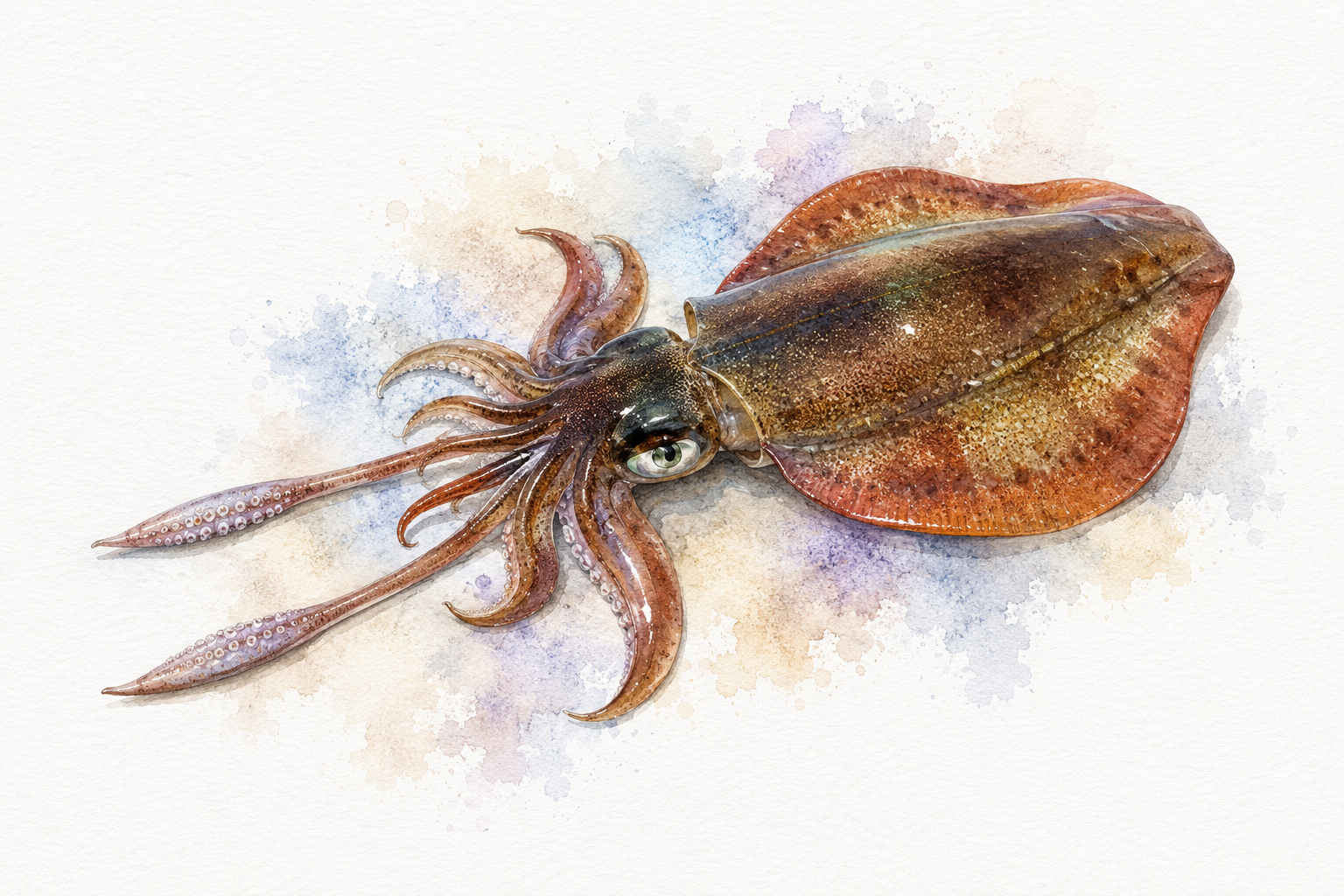
Where worms are unavailable, squid strips offer an excellent alternative. Although squid is not a primary dietary item, its toughness allows it to withstand constant attention from pickers while remaining securely attached to the hook. Thin, tapered strips consistently outperform bulky chunks because they move naturally with the current.
Presentation is often more important than bait choice. Whiting rarely rush a bait. They investigate, mouth and test it before fully committing, meaning lightly weighted rigs that allow the bait to drift naturally generally outfish heavy sinkers pinned firmly to the bottom.
Fresh bait almost always outperforms old frozen bait. Soft, washed-out or freezer-burnt baits lose both scent and texture, making them less attractive and easier for smaller fish to strip from the hook.
When to Use Lures
Over the past decade, lure fishing for King George Whiting has evolved from a niche technique into a highly effective method capable of matching bait under the right conditions.
Success depends on understanding that whiting are not chasing fleeing baitfish. Instead, lures must imitate worms, prawns or small crustaceans disturbed by tidal movement.
Soft plastics between 2 and 3 inches remain the most versatile option. Worm profiles, small grubs and prawn imitations fished on light jigheads allow anglers to maintain bottom contact while creating subtle movement. Long pauses and slow lifts consistently produce more bites than aggressive hopping retrieves.
Surface fishing has become one of the most exciting developments in modern whiting fishing. During warmer months, particularly over shallow seagrass flats flooded by a rising tide, King George Whiting will readily attack small surface walkers. Rather than explosive strikes like tailor or trevally, whiting often stalk a lure before confidently engulfing it, providing some of the most visual fishing available in southern Australia. Community reports and experienced anglers consistently highlight surface walkers such as Sugapen-style lures during these conditions.
Lure fishing excels when anglers need to cover water. Instead of waiting for fish to locate a stationary bait, repeated casts allow productive sand patches, weed edges and channels to be searched quickly until active fish are found.
Scented soft plastics can further improve success, particularly when fish are feeding cautiously or water temperatures are lower.
Time of Day
King George Whiting can be caught throughout daylight hours, but their feeding intensity often changes with light levels, tidal movement and boat traffic.
Early morning consistently provides excellent opportunities on shallow flats. Overnight cooling and reduced disturbance encourage fish to move into very shallow water where they search actively for worms and crustaceans exposed by the tide.
Late afternoon commonly produces a second feeding period, particularly during warmer months when shallows begin cooling again. Fish that have spent the middle of the day in slightly deeper water often return to productive feeding grounds as light levels decline.
Bright, calm afternoons are not necessarily poor fishing, but larger fish frequently become more cautious in extremely shallow water. During these periods, fishing slightly deeper channels bordering seagrass meadows often proves more productive than remaining on exposed flats.
Ultimately, tidal movement remains more influential than the time shown on a watch. A productive tide during the middle of the day frequently outperforms dawn or dusk when the water is stagnant.
Common Mistakes
Fishing featureless sand
Many anglers assume any sandy bottom will hold King George Whiting. In reality, the best fishing usually occurs where sand meets seagrass, ribbon weed, shell grit or low reef. These habitat transitions concentrate the worms and crustaceans that whiting actively seek.
Using excessive sinker weight
Heavy sinkers pin the bait unnaturally to the bottom and reduce bite sensitivity. Unless tidal flow demands additional weight, the lightest sinker capable of maintaining contact generally produces better presentations.
Striking too early
King George Whiting often peck repeatedly before fully taking a bait. Immediate strikes after the first tap frequently pull the bait away. Allowing the fish to load the rod before lifting smoothly results in more secure hook-ups.
Remaining too long in unproductive water
Whiting are constantly moving while feeding. If no bites occur after working a productive tide for a reasonable period, moving 50 to 100 metres can locate an entirely different group of fish.
Fishing against the tide
Rather than fighting strong tidal flow, successful anglers position themselves so their bait drifts naturally with the current. This closely imitates the movement of dislodged marine worms and shellfish.
The Bottom Line
King George Whiting reward anglers who focus on subtle details rather than brute force. They are a species built around precision—light tackle, fresh bait, natural presentations and careful attention to tidal movement consistently outperform heavier, more aggressive approaches.
Their close association with seagrass meadows and adjacent sand flats means success is rarely about finding isolated structure. Instead, experienced anglers concentrate on productive habitat transitions, allowing the tide to carry food naturally across feeding grounds while staying mobile enough to intercept schools as they move.
Modern lure fishing has added another dimension to the fishery, particularly with scented soft plastics and surface walkers, but natural baits remain the benchmark because they closely match the worms, shellfish and crustaceans that dominate the species’ diet.
Above all, remember that King George Whiting are grazing predators, not ambush hunters. If you fish where the tide exposes food, present baits naturally and resist the temptation to rush the bite, you’ll consistently catch more—and often larger—fish than anglers who rely on luck alone. Research into the species’ life cycle continues to reinforce what experienced southern Australian anglers have observed for decades: productive seagrass nurseries, clean coastal water and healthy tidal systems are fundamental to sustaining exceptional King George Whiting fisheries.