
Introduction
Few Australian fish have earned a more loyal following than the luderick. Known as blackfish by generations of anglers, they are renowned for their cautious feeding behaviour, specialised diet and the unique float-fishing techniques required to catch them consistently.
Unlike many estuary species that aggressively chase baitfish or lures, luderick spend much of their lives grazing on marine algae growing over rocks, retaining walls and submerged structure. Their feeding habits demand a more refined approach, rewarding anglers who pay attention to presentation, drift and water movement rather than simply casting repeatedly into likely-looking water.
For many anglers, luderick fishing becomes almost an obsession. Success is often measured not by covering kilometres of shoreline, but by reading tides, selecting the right weed and presenting it naturally through productive water. Mastering these fundamentals can transform what appears to be a quiet day into one of the most rewarding forms of estuary and rock fishing.
Identification
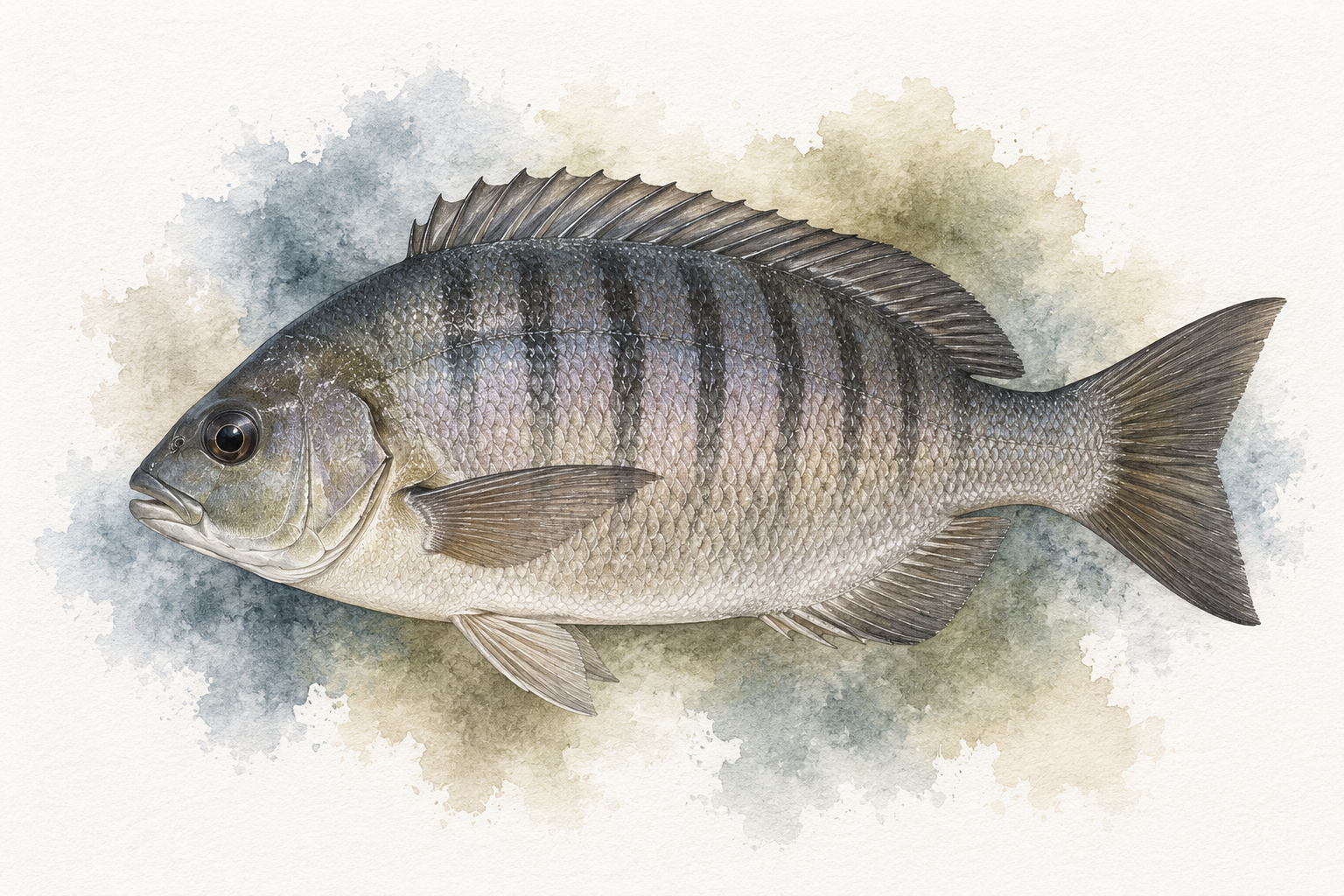
Luderick have a deep, laterally compressed body with a gently rounded profile and a small mouth equipped with distinctive chisel-like teeth designed for grazing algae from rocks and other hard surfaces.
Their colour varies depending on habitat. Most fish display dark olive-green, bronze or almost black backs fading to lighter silver-grey flanks and a pale underside. Freshly caught fish often show subtle blue or green iridescence across the scales, particularly in clean coastal waters.
Adult fish possess a slightly forked tail and a long continuous dorsal fin extending along much of the back. The pectoral and pelvic fins are generally darker than those of many other estuary species, contributing to their familiar “blackfish” appearance.
Juvenile luderick are occasionally mistaken for species such as drummer or bream, but the combination of a deeper body, small grazing mouth and distinctive feeding behaviour quickly separates them from these more aggressive feeders.
Watching fish in clear water often provides another clue. Rather than chasing bait, feeding luderick can frequently be seen methodically grazing weed from rocks, bridge pylons and retaining walls.
Habitat
Luderick are closely associated with habitats where marine algae grow naturally. Rather than roaming open water, they spend much of their time around structure that provides a constant supply of weed.
In estuaries, productive areas include rock walls, breakwalls, bridge pylons, oyster lease structures and retaining walls where tidal currents continually wash fresh algae across submerged surfaces.
Along the open coast, rocky headlands, ocean platforms and shallow reef edges become prime locations, particularly during the cooler months when many fish move toward coastal spawning areas.
One of the biggest mistakes newcomers make is overlooking water movement. Luderick rarely feed well in stagnant water. Instead, they favour areas where steady tidal flow carries fragments of weed naturally past waiting fish. This explains why points, channel edges and the ends of breakwalls frequently outperform sheltered backwaters with little current.
Weed growth itself is another important clue. Healthy green cabbage weed, string weed or sea lettuce often indicates both suitable habitat and the most productive natural bait. If quality weed is growing naturally on the rocks, there’s a good chance luderick won’t be far away.
Water clarity also plays a significant role. Clean, lightly coloured water generally fishes far better than heavily discoloured estuary water following major rainfall. Once salinity returns and visibility improves, feeding activity often increases rapidly.
Tackle and Rigs
Luderick fishing is built around finesse rather than brute strength. Light, balanced tackle allows anglers to achieve the natural drift that these cautious fish demand.
Long float rods between 10 and 12 feet remain popular because they provide excellent line control while keeping most of the line clear of the water during extended drifts. A small threadline or centrepin reel loaded with light monofilament complements this style of fishing well.
Traditional float rigs remain the benchmark for luderick. A slim pencil float or bobby float is carefully balanced with split shot so that only a small portion remains above the surface. This allows fish to take the bait with minimal resistance while giving the angler a highly visible bite indicator.
Fine-wire hooks are preferred because they easily penetrate the relatively soft mouth of a luderick while securely holding delicate weed baits.
The most effective rig is usually the simplest. Excessive weight, oversized floats or heavy leaders often prevent the bait from drifting naturally alongside loose weed moving with the current. A correctly balanced float that allows the bait to travel at exactly the same speed as the surrounding water is often the difference between consistent hook-ups and repeated refusals.
Perhaps more than any other estuary species, successful luderick fishing depends on constantly adjusting float depth until the bait drifts just above the weed-covered bottom where fish are actively feeding.
When to Use Baits
Natural weed is unquestionably the most productive bait for luderick, and matching the bait to the weed growing naturally at your fishing location is one of the keys to consistent success.
Green weed, cabbage weed and sea lettuce are all proven baits, but their effectiveness varies between waterways and even between individual locations within the same estuary. Fish that spend every day grazing one particular weed species can become surprisingly selective, often ignoring unfamiliar offerings drifting past.
Collecting fresh weed immediately before fishing is therefore well worth the effort. Weed taken from the same rock wall, breakwall or headland where you’re fishing usually looks, feels and moves naturally in the current, making suspicious fish far more likely to accept it.
Presentation matters just as much as bait choice. The weed should drift naturally with the current at the same pace as loose fragments washing through the water. Any unnatural drag caused by excess line, a poorly balanced float or too much lead is quickly noticed by experienced fish.
Many accomplished luderick anglers regularly adjust float depth throughout the session. As tides rise and fall, fish often change their feeding depth by only a few centimetres, making continual fine-tuning far more productive than leaving the rig unchanged all day.
When to Use Lures
Conventional lure fishing plays only a very small role in luderick fishing.
Because luderick are herbivorous grazers rather than active predators, they rarely chase hard-bodied minnows, vibration lures or metal slugs. Anglers expecting them to behave like bream or tailor are usually disappointed.
The main exception is fly fishing.
Small weed imitation flies presented beneath an indicator or allowed to drift naturally through feeding fish can produce excellent results in clear water. Success relies on imitating fragments of naturally drifting weed rather than creating movement through aggressive retrieves.
Sight-fishing to feeding schools around rock walls and estuary edges can be particularly rewarding, but it requires patience and accurate presentation. A poorly presented fly is generally ignored, while one drifting naturally with the current is often inhaled without hesitation.
For most anglers, however, natural weed remains significantly more effective than any artificial presentation.
Time of Day
Luderick can be caught throughout the day, but tidal movement almost always has a greater influence on feeding activity than the hour itself.
Many experienced anglers prefer fishing the last half of the incoming tide and the first half of the outgoing tide. During these periods, water movement carries fresh weed across submerged rocks and structure, creating natural feeding opportunities that luderick actively exploit.
Early morning often produces excellent fishing, particularly in estuaries with light boat traffic. Reduced disturbance allows fish to feed confidently along retaining walls, bridge pylons and shallow rock edges.
Overcast conditions can extend productive fishing throughout the middle of the day, while bright sunshine occasionally pushes fish slightly deeper or closer to shaded structure.
Winter is regarded by many anglers as the peak season, particularly around river entrances, ocean rocks and breakwalls where spawning migrations concentrate larger schools.
Rather than chasing specific times, successful luderick anglers learn to fish around favourable tides, clean water and consistent current.
Common Mistakes
The biggest mistake beginners make is fishing too heavily. Oversized floats, thick line and excessive lead prevent the bait from drifting naturally and quickly reduce bite rates.
Using the wrong weed is another common problem. Weed collected from a completely different waterway may look suitable, but local fish often show a clear preference for the species they feed on naturally.
Poor float control is equally costly. Allowing the float to race ahead of the current or drag unnaturally across the surface causes the bait to behave differently from free-floating weed, making cautious fish reluctant to feed.
Many anglers also fish at the wrong depth. Luderick generally graze very close to structure, and even small adjustments to float depth can dramatically improve results.
Finally, patience is essential. Constantly recasting interrupts the natural drift and prevents the bait from spending enough time in the strike zone. A long, controlled drift usually produces far more fish than repeated short casts.
Alternative Capture Methods
Spearfishing
Luderick are occasionally taken by recreational spearfishers in suitable coastal waters where permitted. Their habit of grazing along shallow reefs and rocky headlands can make them accessible to divers, although they are alert and often difficult to approach in clear water.
Accurate shot placement is important due to the fish’s relatively deep body and quick acceleration when startled.
Always check local regulations before spearfishing, as restrictions vary between states and marine park zones.
Eating Quality & Preparation
Luderick are widely regarded as an underrated table fish. Fresh fish taken from clean ocean waters or healthy estuaries produce firm, white flesh with a mild flavour that suits a wide variety of cooking methods.
Bleeding and icing the fish immediately after capture noticeably improves flesh quality, particularly during warmer weather.
The fillets contain relatively few large bones but benefit from careful trimming around the rib cage. Smaller fish are excellent cooked whole, while larger specimens provide thick, versatile fillets suitable for grilling, baking or pan-frying.
As with many herbivorous fish, freshness is important. Luderick are best eaten soon after capture rather than stored for extended periods.
Conservation, Stewardship & Release
Luderick remain a healthy and productive recreational species throughout much of their Australian range, but responsible fishing practices help maintain these fisheries for future generations.
Only retain fish that you intend to use, and release unwanted fish promptly using wet hands or a soft landing net to minimise scale loss and stress.
Because luderick often school tightly, anglers can quickly reach their personal requirements when the fishing is good. Continuing to catch fish unnecessarily increases handling stress and offers little benefit.
Protecting estuarine habitats is equally important. Healthy seagrass beds, oyster reefs, rock walls and clean waterways support the weed growth on which luderick depend throughout much of their lives.
Responsible anglers also avoid leaving discarded line, floats and hooks around popular rock walls and breakwalls where they may harm wildlife or create hazards for other water users.
Safety Considerations
Many of Australia’s best luderick locations involve elevated rock platforms, breakwalls, harbour walls and tidal rock ledges where changing conditions demand constant attention.
Ocean swell can increase rapidly, particularly around exposed headlands and rock platforms. Even calm-looking seas can produce occasional large waves capable of sweeping anglers into the water. Before fishing these areas, always assess conditions carefully and consult the relevant Oz Fish & Game Rock Fishing Safety Hub article.
Breakwalls and harbour entrances often become slippery due to weed growth, making sturdy non-slip footwear essential. Avoid jumping between rocks or fishing too close to exposed edges when waves are washing over the platform.
When fishing estuaries from retaining walls or bridges, remain aware of passing boats, cyclists and pedestrians, particularly where long rods extend over shared public spaces.
The Bottom Line
Luderick are one of Australia’s most rewarding estuary and inshore sportfish—not because they are difficult to find, but because they reward precision, observation and technique.
Success comes from understanding how these fish feed. Matching local weed, achieving a natural drift and fishing productive tidal flow consistently outperforms expensive tackle or complicated rigs.
For anglers prepared to refine their presentation, few forms of Australian estuary fishing are as satisfying. Every subtle float dip represents the culmination of careful preparation, thoughtful bait selection and an understanding of the fish’s behaviour.
Whether fishing a quiet estuary wall, a tidal breakwall or a wave-washed headland, mastering luderick fishing develops skills that improve many other forms of angling. Patience, finesse and attention to detail are rewarded—and that’s exactly what keeps generations of Australian anglers coming back each winter.