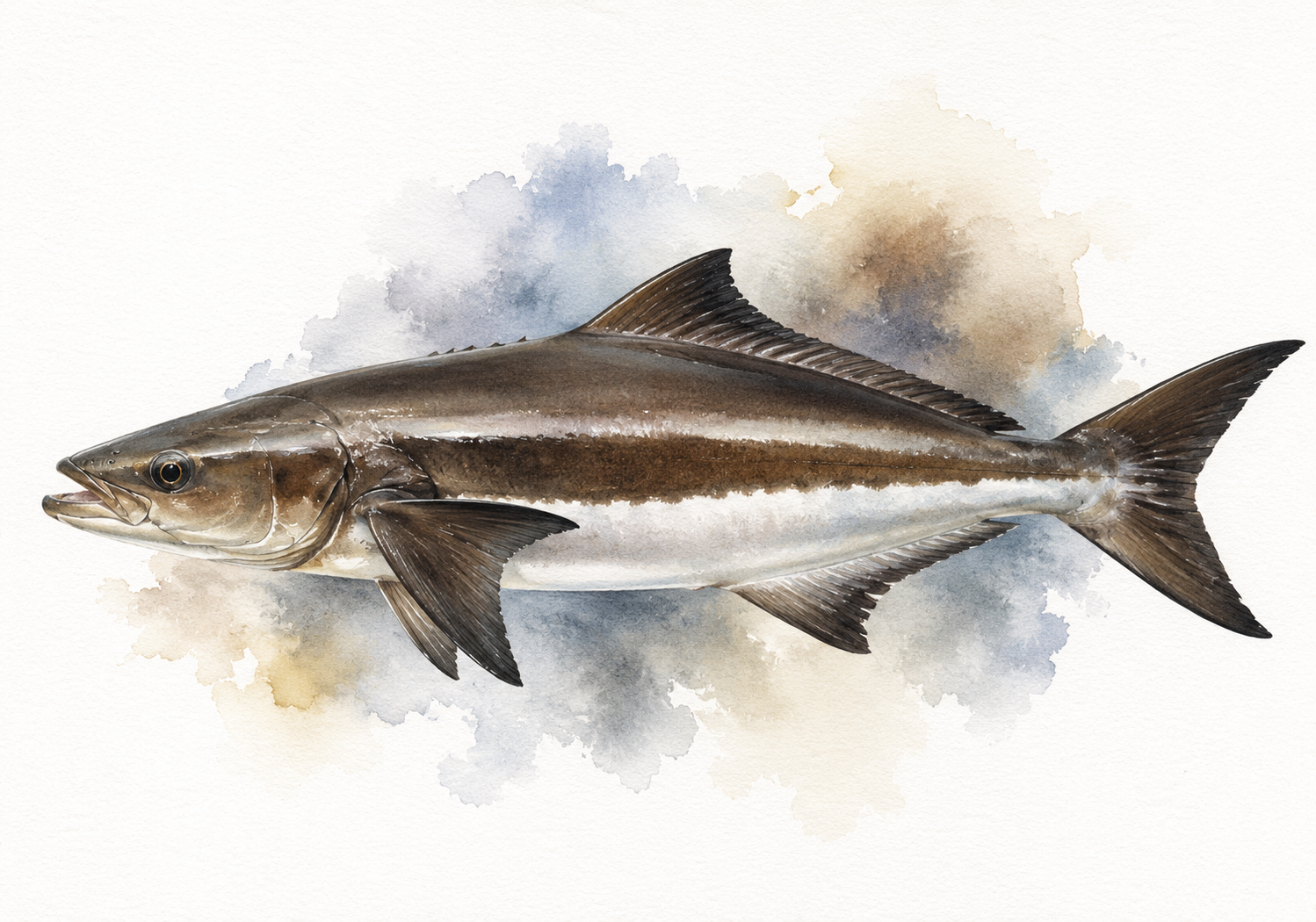

Cobia

Rachycentron canadum

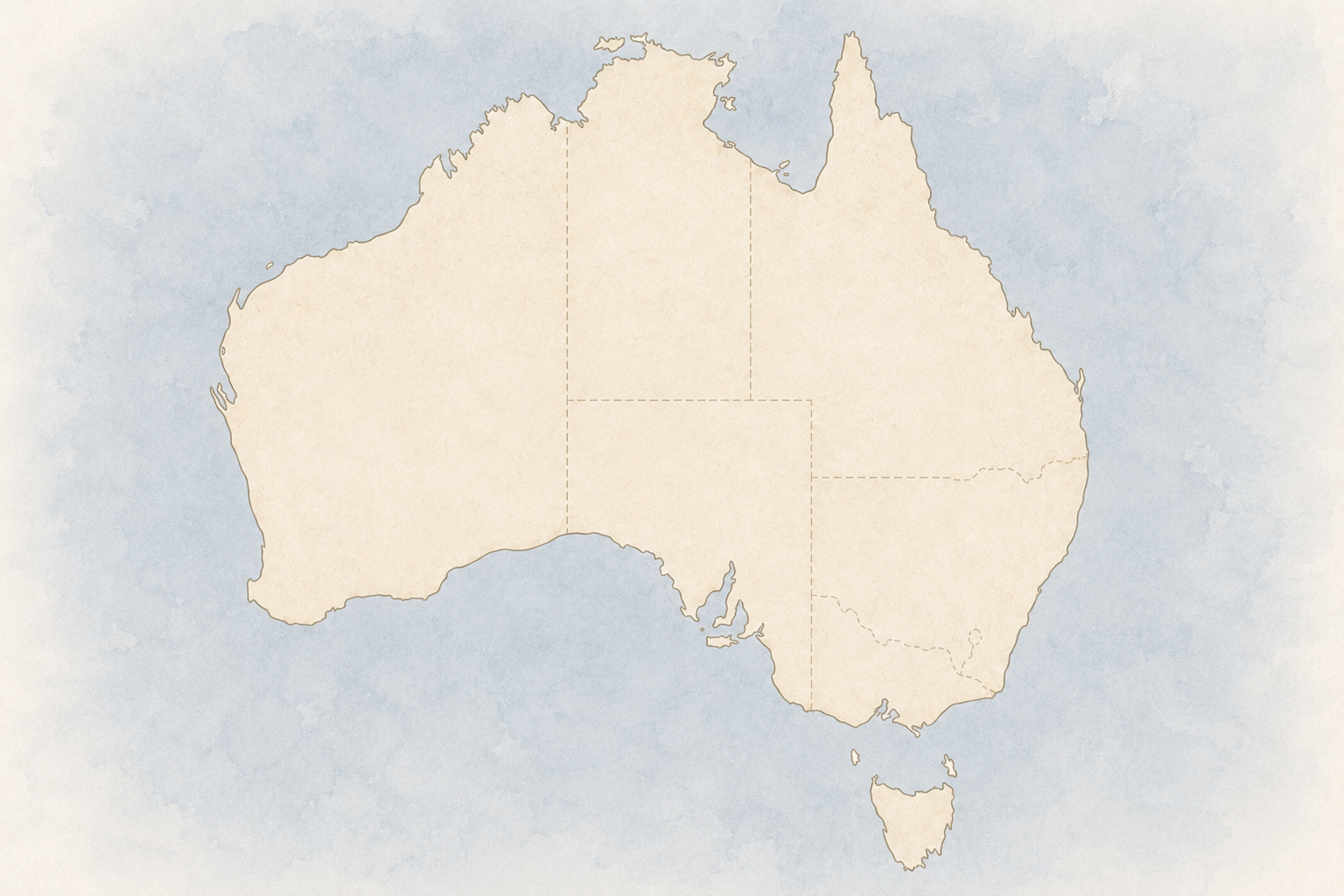
Cobia occur throughout tropical and subtropical Australian waters. They are found along the Queensland coast, throughout the Northern Territory, across northern Western Australia and extend south into northern and central New South Wales during warmer periods. The most consistent recreational fisheries occur in Queensland, particularly along the central and southeast coast, where fish are regularly encountered around offshore reefs, wrecks, beacons, headlands and bait-rich current lines. Northern Australia also supports significant fisheries around coastal reefs, islands and offshore structure.

QUICK FACTS

Alternative Names

Black Kingfish, Black King, Black Salmon, Crab-Eater.

Average Size

80–120 cm

8–20 kg

Trophy Size

140 cm+

Primary Habitat

Reef

Depth Range

Surface–50 m+

Taste Quality

Excellent

1. DISTRIBUTION & HABITAT

MAP COMING SOON

DISTRIBUTION NOTES

Queensland is widely regarded as Australia’s strongest Cobia fishery. Regular captures occur from the Gold Coast through to Cape York, with notable fisheries around Moreton Bay, Fraser Coast reefs, Bundaberg, Gladstone, the Capricorn Coast and offshore reef systems. In New South Wales, most captures occur from the Queensland border south to the Mid North Coast. Numbers generally increase during periods of warm East Australian Current influence. Fish have been recorded as far south as Jervis Bay, although these captures are uncommon. Across northern Australia, Cobia are common around offshore islands, reefs, navigation markers, wrecks and current-swept headlands. Unlike many pelagic species, they frequently remain associated with structure for extended periods rather than continually roaming open water.

STATES

NSWQLDWANT

HABITAT

HeadlandOffshore ReefWreckFish Aggregating Device (FAD)Offshore Island

HABITAT NOTES

Cobia are strongly attracted to structure. Productive areas include wrecks, artificial reefs, navigation beacons, FADs, offshore islands, pressure points around headlands and current-swept reef edges.

Unlike species that remain tightly associated with the seabed, Cobia often cruise through the entire water column. They regularly patrol beneath manta rays, turtles, sharks and large bait schools. Floating debris, weed lines and isolated offshore objects can also hold fish.

Many captures occur when fish appear unexpectedly beside the boat while anglers are targeting Snapper, Spanish Mackerel or reef species. This tendency to investigate boats and structure is a defining behavioural trait of the species.

2. SEASONAL PATTERNS

COMING SOON

SEASONAL NOTES

  • Seasonal movements are strongly linked to water temperature.
  • In southern parts of their Australian range, Cobia numbers increase as warm currents push south during spring and summer. This is particularly evident along the New South Wales coast where fish become more common during periods of strong East Australian Current influence.
  • Northern Australian fisheries experience less seasonal variation because suitable water temperatures persist throughout most of the year.
  • Spawning activity generally occurs during warmer months, contributing to increased movement and aggregation behaviour in some regions.

3. WEATHER & TIDES

WEATHER CONDITIONS

  • Light to moderate winds
  • Stable barometric pressure
  • Several days of settled weather
  • Small to moderate swell
  • Consistent weather patterns

Stable weather improves visibility around surface structure and makes it easier to locate bait concentrations, rays, turtles and floating debris that often attract Cobia.

TIDES

  • Moderate tidal flow
  • Building tide movement
  • Tide changes around dawn and dusk
  • Current movement around structure
  • Flowing water around reefs and beacons

Cobia commonly position on pressure edges created by tidal flow around wrecks, reefs and navigation markers.

Slack water often reduces activity, while excessive tidal flow can make lure and bait presentation difficult around structure.

AVOID

  • Dirty floodwater
  • Rapid water-temperature declines
  • Extended cold-water upwellings
  • Excessively strong current
  • Slack tidal periods
  • Bait-free structure

IMPORTANT TIP

A moderate tidal run combined with settled weather often produces the most consistent Cobia fishing around reefs and beacons. If warm blue water is pushing past structure and bait is holding in the current, it is worth keeping a live bait ready even when targeting other species.

4. BAIT & RIGGING

BEST BAITS

PilchardSquidYellowtail ScadSlimy MackerelCrabLive MulletLive GarfishLive Yellowtail ScadLive Slimy MackerelFish Fillet

BAIT NOTES

  • Live baits consistently account for many of Australia’s larger Cobia. Fish often patrol structure looking for isolated baitfish and will readily intercept a live bait suspended mid-water.
  • Slimy mackerel, yakkas and pike are particularly effective around reefs and wrecks. When fish are visible near the surface, unweighted or lightly weighted live baits often outperform bottom-fished presentations.
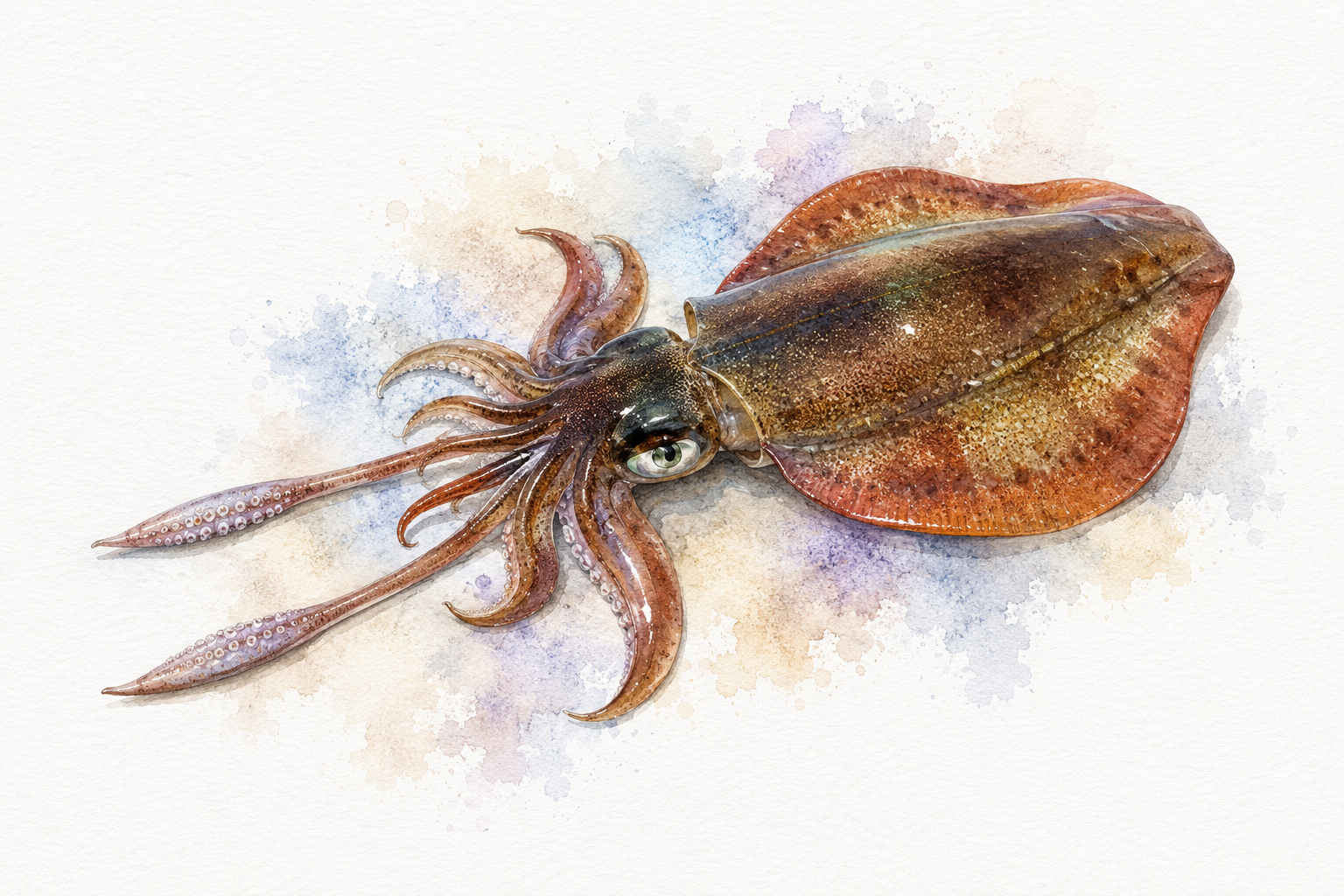
  • Crabs are an underrated bait. The species’ common name “Crab Eater” reflects a well-documented preference for crustaceans, particularly around reef and structure-based habitat.

BEST BERLEY

Pilchard CubesFish FramesFish CubesTuna Cubes

BERLEY NOTES

  • Berley can be effective around anchored boats positioned near reefs, wrecks and beacons.
  • Rather than attracting Cobia directly from long distances, berley often works by concentrating baitfish around structure. Cobia frequently arrive after bait schools gather beneath the boat.
  • Berley is generally most effective when combined with live-bait fishing.

BEST LURES

Soft PlasticPaddle Tail Soft PlasticSwimbaitStickbaitMetal JigSlow Pitch Jig

LURE NOTES

  • Cobia are often opportunistic rather than purely aggressive predators. Lures that remain in the strike zone for extended periods generally outperform extremely fast presentations.
  • Large paddle-tail plastics and soft-plastic eels are particularly effective because they imitate the elongated baitfish commonly targeted by Cobia.
  • When sight-casting to fish around beacons, rays or surface structure, a lure placed slightly ahead of the fish’s path often produces a better response than casting directly at the fish.
  • Many fish are hooked after following a lure for several metres before accelerating suddenly and striking.

5. REGULATIONS

Fishing regulations vary between Australian states and territories and may include; minimum and maximum size limits, daily bag limits, possession limits, seasonal closures, gear restrictions, and protected species. Regulations may change over time. Always check the rules published by your local fisheries authority before fishing or keeping any catch. If you’re unsure whether a fish is legal to retain, release it carefully back into the water and verify the regulations before your next trip.

6. COMPLETE FISHING GUIDE

Introduction

Cobia are one of the more unusual fish encountered in Australian coastal waters because they rarely behave exactly as anglers expect.

They are often described as pelagic fish, yet many are caught around fixed structure. They can appear beside an offshore beacon, under a manta ray, next to a wreck, beneath a turtle or suddenly materialise behind a hooked fish being retrieved from depth.

Many anglers spend years catching Cobia accidentally before learning how to target them consistently.

The key is understanding that Cobia are structure-oriented hunters that use current, bait concentrations and visual cues to locate food. They are far less random than their reputation suggests.

Once anglers learn where to look and what signs to watch for, they become a surprisingly predictable target.

Tackle and Rigs

Cobia are powerful fish that combine sustained runs with stubborn fighting close to the boat. A quality 8000–14000 size spin reel matched to a medium-heavy offshore rod covers most Australian situations. Thirty to fifty-pound braid and a leader between 60 and 100 pounds is a practical starting point around reefs, wrecks and beacons.

Live-bait rigs account for many larger fish. A simple single-hook rig pinned through the shoulder of a live slimy mackerel or yakka is often all that is required. One common mistake is fishing live baits too deep. While Cobia will feed near the bottom, they frequently patrol well above structure. Suspending live baits through the mid-water column often produces better results than placing them directly on the seabed. Around navigation beacons and wrecks, many experienced anglers stagger baits at different depths until fish reveal where they are holding.

When to Use Lures

Lures excel whenever fish are visible or actively feeding. Sight-casting opportunities are one of the most exciting aspects of Cobia fishing. Fish cruising beneath rays, turtles or floating debris can often be targeted directly with soft plastics, stickbaits and bucktail jigs.

Large paddle-tail plastics have become particularly effective because they allow anglers to cover multiple depths while maintaining a realistic baitfish profile. Unlike Spanish Mackerel or Tuna, Cobia generally do not require extremely fast retrieves. In fact, slower presentations often work better. Allowing a plastic to sink naturally before applying a steady retrieve frequently produces strikes from following fish.

Surface lures become valuable when fish are actively cruising around structure or visible beneath bait schools. Poppers and stickbaits can draw aggressive strikes, particularly from fish that have moved high in the water column. When a fish follows but refuses a lure, immediately dropping a soft plastic or live bait behind it is often enough to trigger a bite.

Time of Day

Cobia can be caught throughout the day, particularly when associated with fixed structure. Unlike many species that rely heavily on low-light feeding periods, Cobia are frequently sighted and caught during full daylight hours.

The most productive periods often coincide with active tidal movement rather than a specific time on the clock. Dawn remains valuable because bait schools commonly become active around reefs and beacons during the first few hours of light. However, anglers who stop looking once the sun rises often miss opportunities. Many large Cobia are spotted around structure during the middle of the day when visibility is at its best.

Common Mistakes

One of the most common mistakes is failing to keep a rod ready. Cobia frequently appear unexpectedly. Anglers cleaning fish, retrieving anchors or fighting another species often encounter fish beside the boat with no bait or lure immediately available. Successful Cobia anglers usually have a live bait or cast-ready lure prepared whenever fishing productive structure.

Another mistake is focusing exclusively on the bottom. Cobia use the entire water column and regularly feed well above reef structure. Fishing too deep can place presentations beneath actively feeding fish. Many anglers also leave productive structure too quickly. Cobia may appear suddenly after tide changes, bait movements or shifts in current direction.

Finally, anglers often underestimate how visual the species can be. Constantly scanning around the boat for rays, turtles, bait schools, floating debris and cruising fish often leads directly to opportunities that sounder screens never reveal.

The Bottom Line

Consistent Cobia fishing is built around three factors: structure, bait and warm water. Find offshore reefs, wrecks, beacons, headlands or floating objects holding bait in water above 20°C and you are already looking in the right places. Keep live baits suspended through the water column, remain alert for fish appearing unexpectedly around the boat and avoid the temptation to fish exclusively on the bottom.

Many Australian anglers catch Cobia by accident. The anglers who catch them regularly are usually the ones actively watching the water around them, understanding how the species relates to structure and always having a bait or lure ready when an opportunity appears.

Built for Hunters. Made for Australia.

Join Oz Fish and Game and connect with those who live the lifestyle — training, fieldcraft, and mateship for the modern outdoorsman.