
Introduction
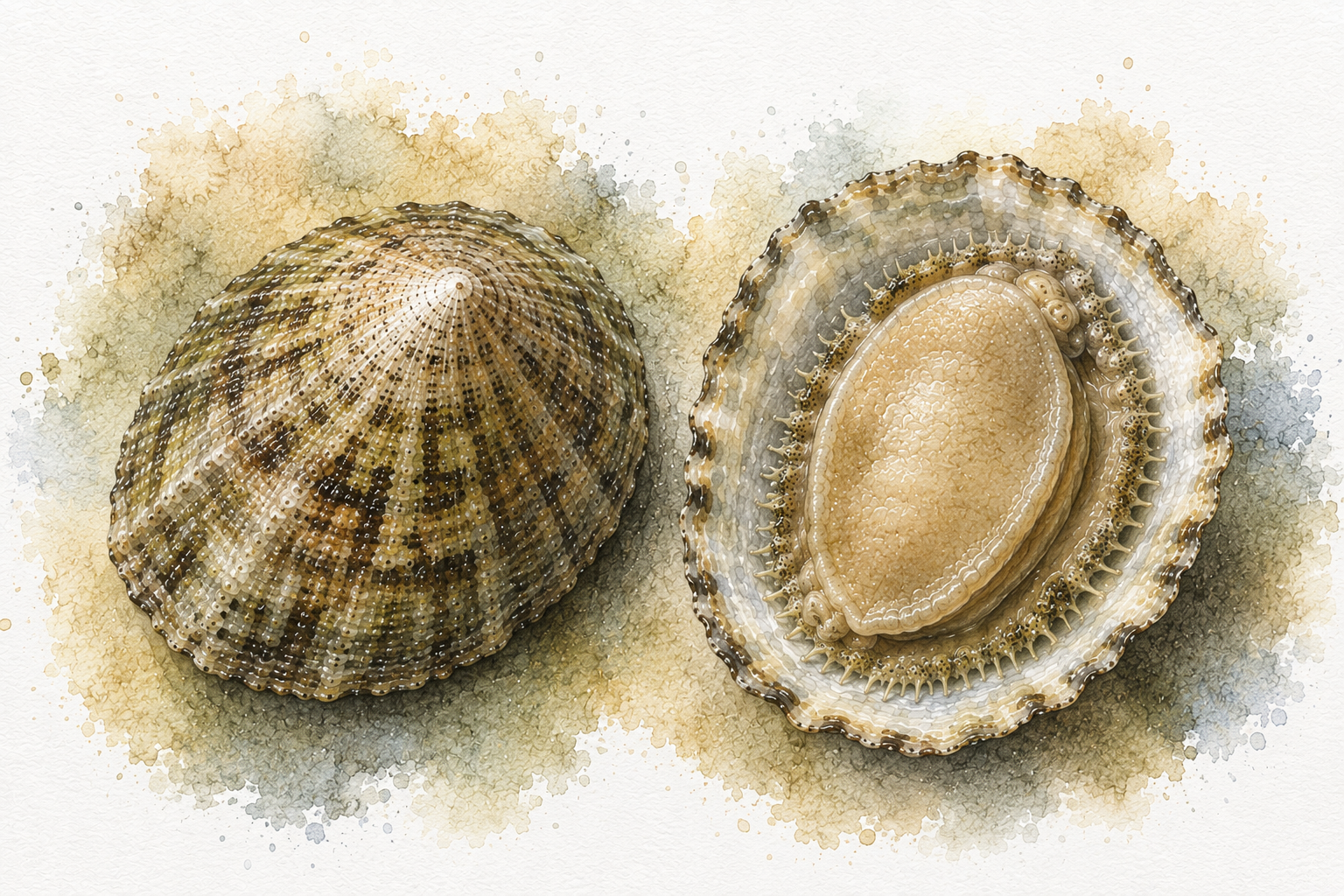
The common limpet is one of Australia’s oldest and most reliable natural rock fishing baits. Found clinging to wave-washed rock platforms around much of the southern and eastern coastline, it forms part of the natural diet of numerous reef and shoreline species that spend their lives grazing or hunting among intertidal rocks.
Unlike soft shellfish such as pipis or mussels, limpets possess a large, muscular foot that remains surprisingly tough after removal from the shell. That combination of natural scent and durability makes them particularly valuable when fishing rough country where bait-stealing species quickly strip softer offerings from the hook.
Although commonly associated with black drummer and groper, limpets are by no means a one-species bait. Bream, tarwhine, luderick, snapper and numerous reef fish readily consume them whenever storms, wave action or feeding activity dislodge shellfish from the rocks.
Collecting limpets is relatively straightforward, but doing it efficiently requires good timing and an understanding of how the animal behaves. A limpet that senses vibration or movement can clamp itself to the rock with remarkable force, making removal almost impossible without damaging the flesh. Learning when and how to remove them is therefore just as important as knowing where to find them.
Sourcing the Bait
Successful limpet collection starts with selecting the right coastline. Look for rocky headlands, wave-cut platforms and exposed reefs where hard rock remains uncovered for part of the tidal cycle. Sandy beaches, muddy estuaries and sheltered bays rarely support worthwhile populations.
Plan your collection around low tide, preferably during larger spring tides that expose the greatest area of rock platform. Not only does this provide better access, but it also allows more time to collect bait safely before the tide returns.
Sea conditions deserve as much attention as the tide itself. Calm days with minimal swell make collection far safer and allow you to move confidently across the platform. Even experienced rock fishers avoid harvesting shellfish when large ocean swells are running, as unexpected waves can easily sweep across otherwise dry-looking rocks.
Removing a limpet is largely about speed. As you approach, the animal detects vibration through the rock surface. If given enough warning, it clamps down with tremendous force, making it difficult to remove cleanly.
Experienced collectors therefore use a broad, flat knife, oyster knife or paint scraper and deliver one quick, firm motion beneath the shell. A decisive movement usually lifts the limpet intact before it fully secures itself. Hesitation almost always results in the shell remaining firmly attached.
Collect only what you intend to use during the session. Limpets are common in suitable habitat, but they play an important ecological role by grazing algae from rock platforms and supporting numerous coastal food webs. Responsible collection ensures healthy local populations remain available for future fishing.
Recognising Quality
Fresh limpets are easy to identify once removed from the shell.
The muscular foot should appear thick, firm and resilient, with a clean marine smell similar to fresh shellfish. Healthy flesh retains its shape when handled and feels noticeably tougher than many other intertidal molluscs.
Avoid specimens that appear soft, watery or discoloured. Flesh beginning to break down loses both durability and natural scent, reducing its effectiveness on the hook.
Similarly, avoid limpets that have been left sitting in the sun after collection. Heat quickly causes the flesh to dry around the edges and lose its natural firmness.
If harvesting several dozen limpets, periodically inspect those already collected. Any showing obvious deterioration should be discarded rather than mixed with fresh bait.
Good bait begins with healthy shellfish, and fresh limpets consistently outperform specimens that have been poorly handled.
Storage and Care
Limpets are one of the easier natural baits to store because the flesh is naturally dense and resilient.
If fishing the same day, simply keep the harvested shellfish cool, shaded and out of direct sunlight until required. An insulated cooler with an ice brick underneath a towel provides excellent conditions without allowing the flesh to sit directly on ice.
Once removed from the shell, the flesh should remain cool and slightly moist. Excess water serves little purpose and can soften the tissue unnecessarily.
For trips planned in advance, whole limpets freeze well. Many anglers freeze the flesh inside the shell, removing it only when preparing bait on the day of the trip. This helps reduce freezer burn and protects the flesh from drying.
Repeated thawing and refreezing should be avoided, as it gradually softens the muscular foot and reduces hook-holding ability.
Whether fresh or frozen, limpets perform best when their flesh remains firm and intact.
Preparing the Bait
Preparation begins by separating the flesh from the shell using a small knife. Once removed, inspect the foot and trim away any damaged or heavily torn tissue.
For smaller fish such as bream or tarwhine, a single limpet can usually be divided into several neat bait pieces without sacrificing durability. Cutting across the muscular foot produces compact sections that remain securely attached to the hook.
Larger limpets are particularly useful when targeting drummer or groper, where substantial baits better imitate naturally dislodged shellfish.
Many experienced anglers deliberately include part of the tougher foot in every bait. While softer internal tissue releases scent readily, the muscular foot acts as a natural anchor that dramatically improves hook retention.
Preparing baits immediately before fishing generally provides the freshest presentation, particularly during warmer weather.
How to Rig It
Rigging a limpet correctly is largely about using its strongest tissue.
Pass the hook through the thick muscular foot rather than relying solely on the softer internal flesh. This gives the bait enough strength to withstand repeated casting, wave action and the attention of smaller pickers.
For smaller pieces, thread the hook once or twice through the foot while leaving the point completely exposed.
Larger whole sections can be folded onto the hook, again ensuring the point remains clear for positive hook-ups.
Where long casts or nuisance fish are expected, a few light turns of bait elastic provide extra security without significantly affecting the bait’s natural presentation.
Limpets are naturally heavy and compact, making them particularly effective for fishing washes, rocky gutters and reef edges where they settle quickly into the strike zone.
Best Fish to Target
Black drummer are arguably the species most closely associated with limpet baits. They spend much of their lives feeding around wave-washed rocks where shellfish form a substantial part of their diet. A freshly prepared limpet closely imitates food naturally washed free during heavy seas.
Groper are another outstanding target. Their powerful crushing teeth are specifically adapted to feeding on hard-shelled invertebrates, making limpets an entirely natural offering.
Bream also respond well, particularly larger fish living around rocky headlands and harbour walls. While often regarded as opportunistic feeders, mature bream readily consume shellfish whenever they become available.
Tarwhine regularly feed over broken reef and rocky margins where limpets occur naturally, while snapper patrolling shallow reefs frequently intercept shellfish dislodged by surge and wave action.
Whenever fishing around natural rocky habitat, limpet baits closely match the food already available to resident fish.
Common Mistakes
The most common mistake is approaching limpets too slowly. Once alerted, they clamp tightly to the rock, making removal difficult and often damaging the flesh during extraction.
Another frequent error is collecting during unsafe sea conditions. No bait is worth taking unnecessary risks on exposed rock platforms. Calm weather and modest swell always provide the safest opportunities.
Many anglers also remove the soft flesh from the shell too early, allowing it to dry out before reaching the fishing spot. Preparing bait immediately before use generally produces a fresher and tougher presentation.
Hook placement is another common problem. Passing the hook only through the softer body tissue usually results in the bait tearing free after a cast or the first few bites. The muscular foot should always form the primary attachment point.
Finally, avoid taking excessive numbers simply because they are abundant. Harvesting only what you need is both practical and responsible.
The Bottom Line
The common limpet remains one of Australia’s classic natural rock fishing baits because it combines three qualities that are difficult to find in a single bait: it is naturally available, exceptionally durable and forms part of the everyday diet of many prized reef species.
Success begins long before the first cast. Collecting fresh limpets safely during low tide, removing them cleanly, storing them correctly and rigging them through the muscular foot all preserve the characteristics that make them so effective.
Although often overshadowed by cunjevoi, crabs and prawns, the humble limpet continues to produce outstanding results for anglers targeting drummer, groper, bream and other rocky reef species. When fished fresh and presented properly, it remains one of the most dependable shellfish baits available along Australia’s southern and eastern coastline.