
Introduction
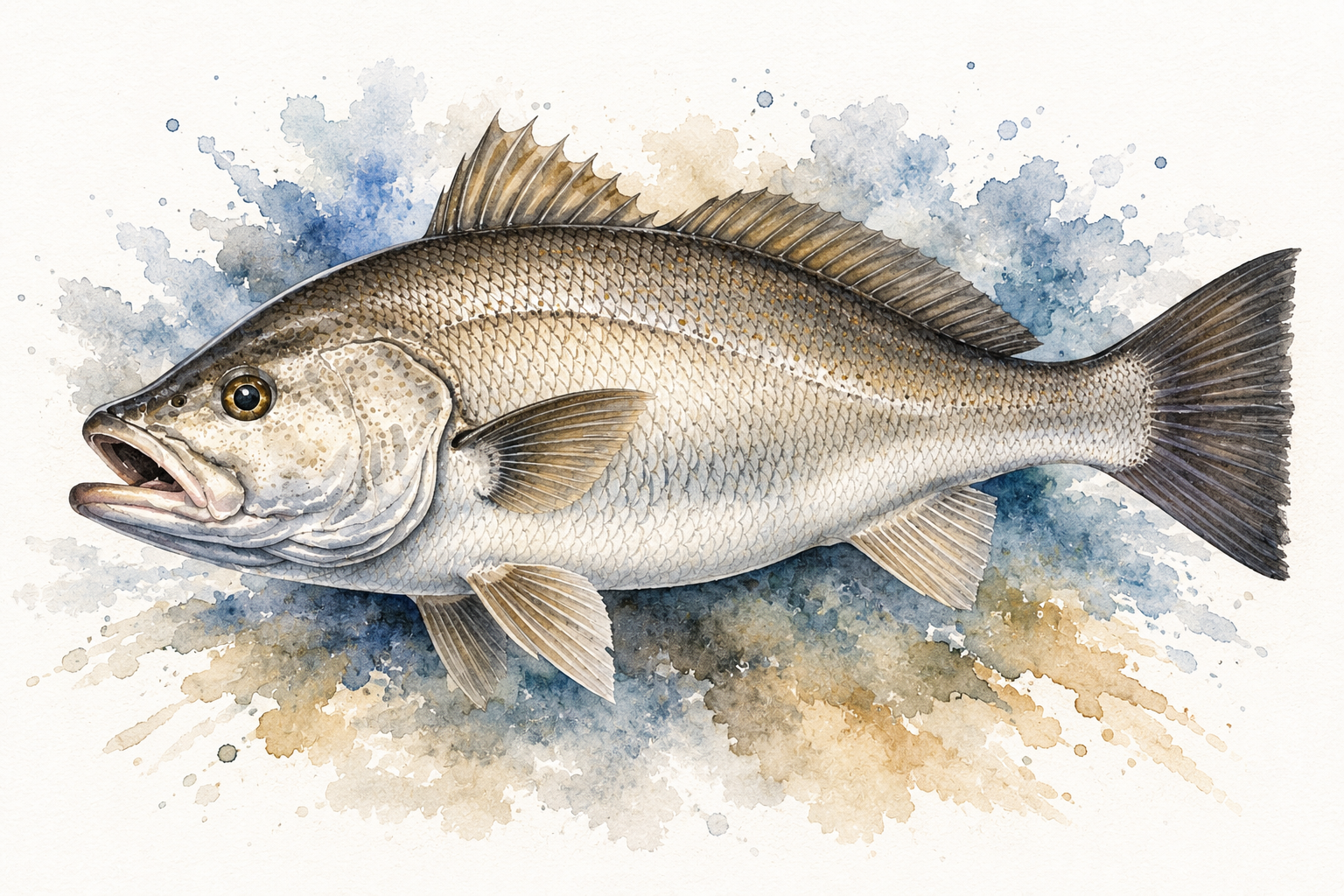
Mulloway are a fish that teach patience. They can be present in large numbers, surrounded by bait and ideal structure, yet remain frustratingly difficult to tempt. Then, without warning, a system that has seemed lifeless for hours can produce multiple fish in a short feeding window.
That unpredictability is one reason experienced anglers become obsessed with them.
Unlike many coastal predators, mulloway rarely roam aimlessly. They are creatures of structure, depth and current. They position themselves where tidal flow concentrates prey and where they can ambush baitfish with minimal effort. Understanding that behaviour is far more important than choosing a particular lure colour or bait.
The anglers who consistently catch mulloway usually focus on three factors:
- Finding quality bait concentrations
- Fishing areas with depth and current
- Being present during feeding windows
Everything else is secondary.
Large estuaries, river mouths, breakwalls, harbour systems, surf beaches and offshore reefs all hold mulloway. The challenge is identifying exactly where fish are likely to position themselves within those environments.
In most situations, mulloway prefer locations that combine access to deeper water with nearby feeding opportunities. Deep channels beside sand flats, rock walls adjacent to current lines, bridge pylons near bait schools and surf gutters beside headlands all fit this pattern.
Many anglers waste time fishing large areas of seemingly suitable water. Productive mulloway anglers narrow their search considerably. Rather than fishing an entire estuary, they target a specific hole, current seam or bait concentration where fish can efficiently hunt.
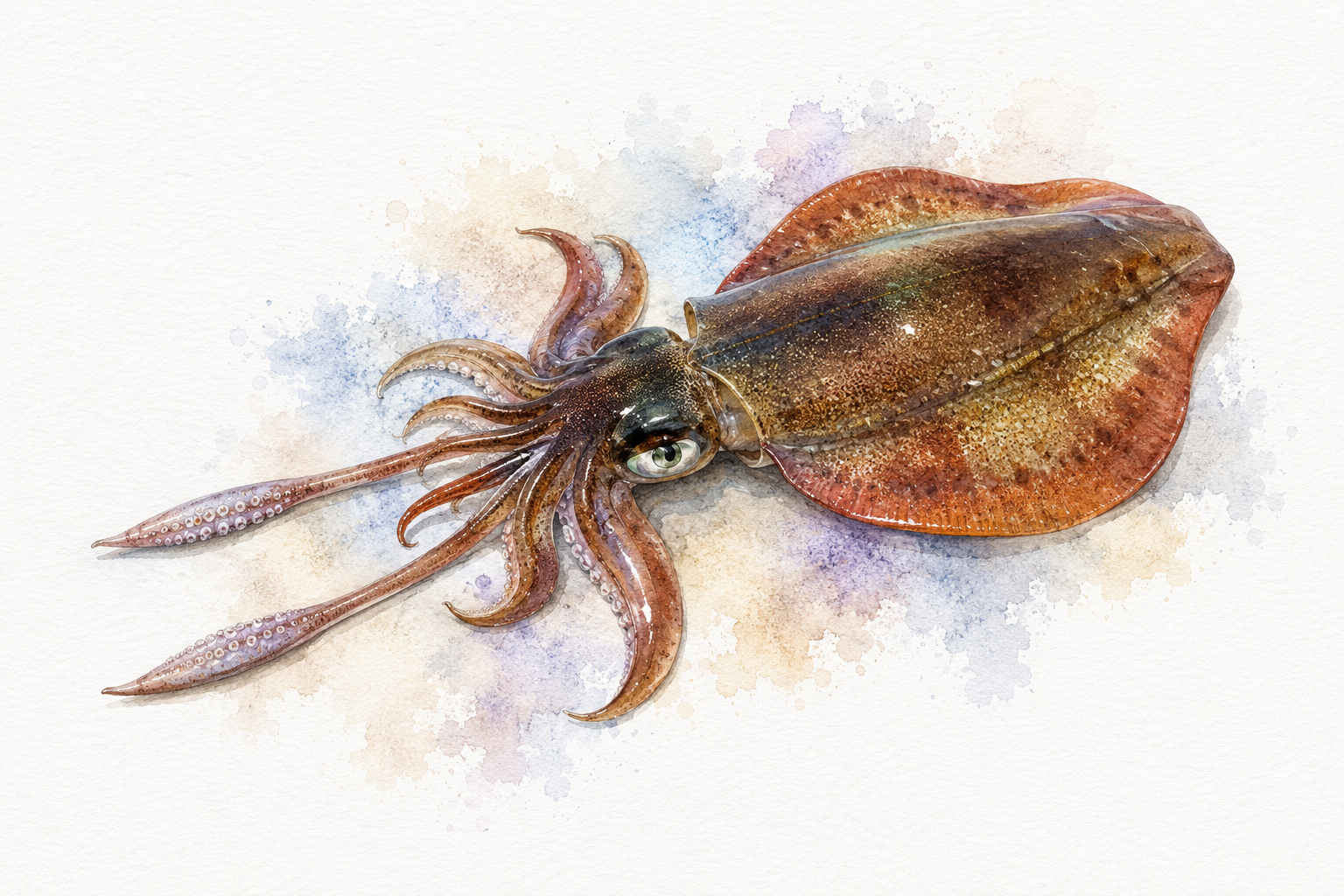
Mulloway are opportunistic predators. Mullet, tailor, herring, yellowtail, squid and prawns all form part of their diet depending on location and season. Their large mouths and powerful suction feeding ability allow them to engulf surprisingly large prey.
This explains why live baits and larger lure profiles often outperform smaller offerings when targeting bigger fish.
Understanding how mulloway use structure is the key to consistently catching them.
Tackle and Rigs
One of the most common mistakes made by anglers new to mulloway fishing is using tackle that is either too heavy or too light. School-sized fish around 70–100cm can be effectively targeted on medium tackle, but any location capable of producing mulloway can also produce fish exceeding 20kg.
A balanced setup is usually the best approach. For estuary fishing, a 7–8ft rod matched to a 4000–6000 size reel and 20–30lb braid covers most situations. Around heavy structure, large breakwalls or surf beaches, many anglers step up to 30–50lb braid and heavier leaders.
Leader strength is often determined more by structure than fish size. Mulloway themselves are not particularly abrasive compared to species such as kingfish or mangrove jack, but they are frequently hooked around rocks, pylons, oyster-covered walls and breakwaters.
For bait fishing, simplicity usually wins. Running sinker rigs remain one of the most effective options ever developed for mulloway. They allow live baits and fresh offerings to move naturally while maintaining contact with the bottom. In areas with strong current, a paternoster rig can help keep baits positioned just above snags and debris.
Live mullet remain one of the most productive mulloway baits in Australia. A healthy mullet positioned close to the bottom near a channel edge, bridge pylon or rock wall often attracts attention from fish that ignore artificial presentations. Live squid can be equally effective, particularly around coastal entrances and deeper harbour systems. When using live baits, many experienced anglers prefer circle hooks. They reduce deep-hooking and frequently result in secure jaw-hooked fish.
One important detail often overlooked is bait size. Large mulloway regularly consume prey that many anglers would consider oversized. A substantial live mullet or squid may actually discourage smaller fish while increasing the chance of attracting a genuine trophy.
When to Use Lures
Lure fishing for mulloway has evolved dramatically over the past two decades. Modern braided lines, side-imaging electronics and highly effective soft plastics have made lure fishing one of the most productive methods available. The biggest advantage of lures is efficiency. Instead of waiting for fish to locate a stationary bait, anglers can actively search channels, structure and current lines until they find feeding fish.
Soft plastics dominate many Australian mulloway fisheries for good reason. Their ability to imitate mullet, herring and juvenile tailor makes them highly effective across a wide range of environments. The most successful retrieves are often slower than many anglers expect. Mulloway frequently strike on the drop or during pauses rather than during aggressive retrieves. A common technique involves allowing the lure to reach bottom, lifting it with a controlled hop and then maintaining contact as it sinks naturally. That sinking phase often triggers the bite.
Soft vibration lures have become equally important in deep estuaries and harbour systems. Their compact profile allows anglers to maintain bottom contact in strong current while producing significant vibration. Bridge pylons, deep holes, marina edges and harbour channels are classic soft-vibe locations.
Deep-diving hardbodies can also be extremely effective around rock walls and breakwaters where fish hold tight against structure. Night fishing often favours hardbody lures because their steady action allows fish to locate them in low visibility conditions.
One common characteristic among successful mulloway lure anglers is discipline. Many strikes occur immediately after a lure enters a productive zone. The anglers who repeatedly position their lure in front of fish generally outperform those who cover water randomly. Accuracy matters.
Time of Day
Mulloway can be caught at any hour, but larger fish frequently display a strong preference for low-light periods. Dawn, dusk and darkness consistently produce some of the most reliable fishing throughout Australia. There are several reasons for this. Many prey species become more vulnerable during low light. Reduced visibility also benefits mulloway, which possess excellent sensory systems for detecting movement and vibration. Night fishing has produced countless trophy fish from estuaries, beaches and breakwalls.
In surf environments particularly, darkness often allows larger fish to move into surprisingly shallow water. Anglers fishing beach gutters after sunset frequently encounter fish that would remain well offshore during daylight hours.
Tide timing is often more important than the clock. A tide change occurring shortly after sunset may produce a better bite than either factor independently. Experienced mulloway anglers often organise entire trips around these overlap periods. Rather than fishing all night, they focus effort around a specific two-to-three-hour window where tidal movement, darkness and bait activity align. These concentrated feeding windows explain why some sessions produce multiple fish while others remain quiet despite apparently identical conditions.
Common Mistakes
The biggest mistake in mulloway fishing is ignoring bait. Many anglers become obsessed with structure while overlooking the prey that attracts fish there in the first place. If a location lacks baitfish, mulloway rarely stay long. Successful anglers constantly monitor for mullet schools, yellowtail, squid activity, surface disturbances and sounder marks.
Another common mistake is fishing too much water. Mulloway often occupy very specific positions within large systems. A channel edge only a few metres wide may hold fish while the surrounding area remains barren. Fishing randomly reduces the chances of placing a bait or lure in that strike zone.
Poor lure speed is another frequent issue. Many anglers retrieve too quickly. Mulloway generally favour presentations that remain close to the bottom and move naturally with current flow. Fishing during poor tidal periods also reduces success.
While mulloway can be caught at any stage of the tide, periods of moving water consistently outperform slack conditions.
Ignoring seasonal bait movements is another major error. Large mulloway often follow concentrations of mullet, tailor, squid and other forage species. Understanding these movements frequently reveals where fish will appear next.
Finally, many anglers leave too early. Mulloway feeding windows can be brief and highly specific. A location may appear lifeless for hours before suddenly producing fish. Persistence around proven structure during favourable tides often separates successful anglers from those who consistently miss out.
The Bottom Line
Mulloway are rarely random. Whether you’re fishing a NSW river mouth, a South Australian surf beach, a Victorian estuary or a Queensland breakwall, the same core principles apply:
- Find depth.
- Find current.
- Find bait.
- Then identify the specific locations where those three elements intersect.
The anglers who consistently catch mulloway are not necessarily using secret rigs or specialised lures. They simply spend more time understanding how fish position themselves within a system.
A deep hole beside a bait-rich channel edge, a bridge pylon disrupting tidal flow, a surf gutter connected to deeper water or a breakwall corner holding schools of mullet all provide the ingredients mulloway seek.
When those locations coincide with moving water and low-light conditions, the odds improve dramatically.
Focus on bait first, structure second and timing third. Get those factors right consistently and mulloway become far more predictable than their reputation suggests.