
Introduction
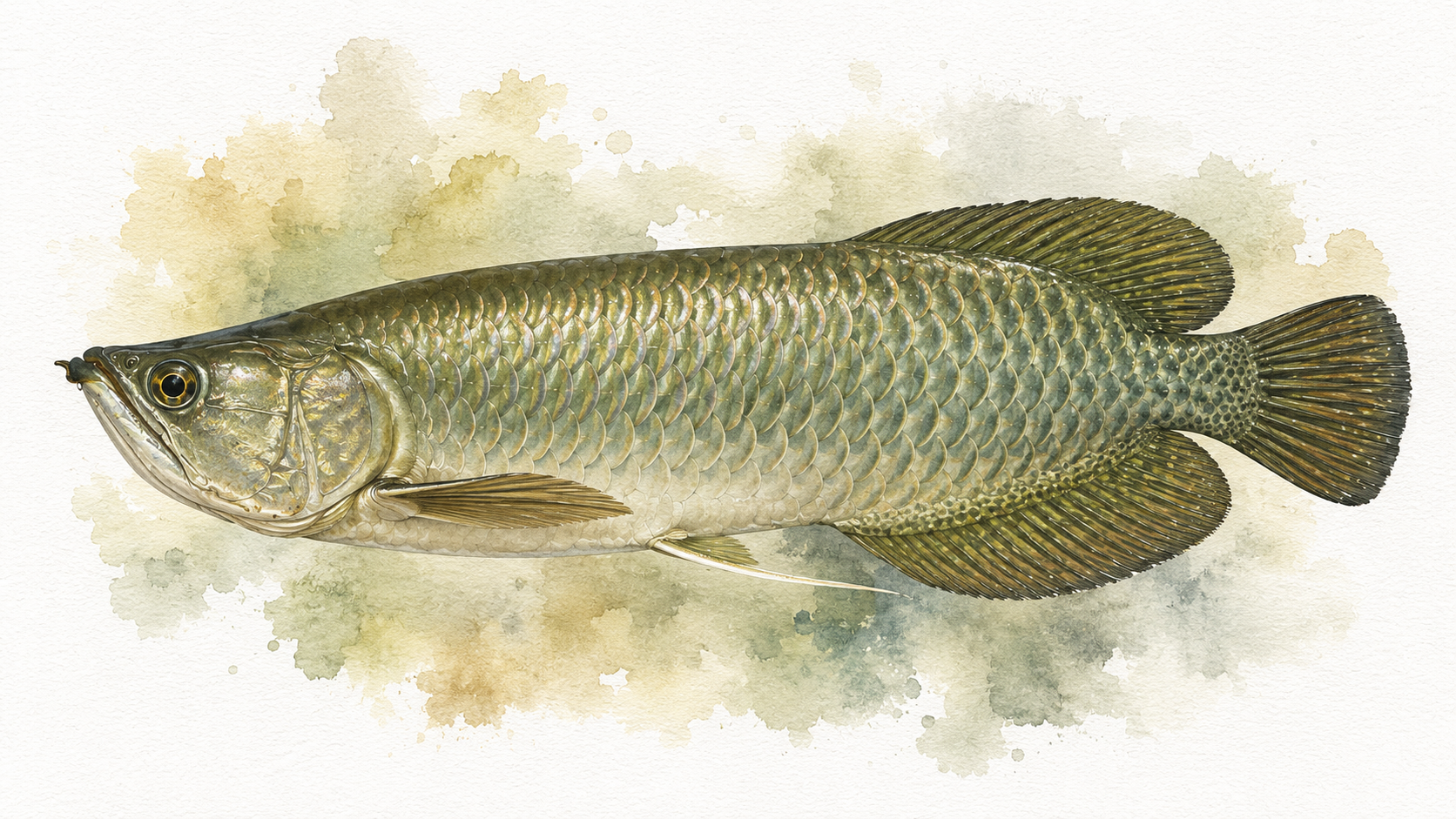
Southern Saratoga occupy a unique place in Australian freshwater fishing. They are one of the country’s oldest fish lineages, yet they remain one of the most modern lure-fishing targets in terms of how they are pursued.
Few freshwater fish combine visual surface strikes, aerial displays and structure-based fishing as effectively as a Saratoga. While they are not especially large by Australian sportfish standards, their habit of launching clear of the water after hook-up makes them one of the most challenging fish to keep connected.
The key to consistently catching Southern Saratoga is understanding that they are surface-oriented predators. Many anglers approach them like barramundi, bass or cod and spend too much time fishing deep water. Saratoga spend much of their lives looking upward.
Successful anglers focus on what is happening on the surface and immediately beneath it.
Tackle and Rigs
Southern Saratoga are ideally suited to light casting tackle.
Most dedicated anglers use either a 2–5kg spin outfit or a baitcasting setup capable of accurately placing lures into tight structure.
Twenty-pound braid with a 20–30lb leader is a practical starting point. While Saratoga themselves are not particularly abrasive, the timber, weed and lily-pad stems they inhabit can quickly damage lighter leaders.
Casting accuracy is often more important than outright casting distance.
A lure landing within a metre of a snag may be ignored. The same lure landing hard against the timber can be eaten immediately.
When bait fishing, lightly weighted presentations generally outperform heavy sinkers. The species naturally targets prey suspended in the upper water column rather than food sitting on the bottom.
Floats can be particularly effective around weed beds and timber-lined banks.
When to Use Lures
Lures are the preferred approach for most Southern Saratoga anglers.
Their willingness to attack surface presentations creates opportunities rarely found with other Australian freshwater fish.
Surface walkers and stickbaits excel when fish are actively patrolling weed edges and shallow margins. The ability to pause a lure in place is often critical because Saratoga frequently track prey before committing.
Poppers can be particularly effective around isolated lily pads and pockets within heavy vegetation.
In heavily pressured impoundments, subtle presentations often outperform noisy lures. A lightly worked walk-the-dog lure may draw more strikes than an aggressively blooping popper.
Suspending minnows become valuable when fish refuse surface offerings. Casting parallel to timber edges and pausing the lure beside structure often triggers reaction bites.
Fly anglers experience similar success with large surface flies, gurglers and deer-hair patterns worked around vegetation and fallen timber.
Time of Day
Low-light periods consistently produce the most reliable fishing.
Dawn is often the standout session, particularly during warmer months when fish move away from heavy cover and patrol feeding areas.
Late afternoon and dusk can be equally productive.
Unlike some freshwater predators, Saratoga frequently remain visible throughout the day. However, bright sunlight generally pushes them tighter to structure and increases the importance of precise lure placement.
Cloud cover often extends productive surface activity well beyond the traditional dawn and dusk windows.
Rather than focusing purely on the clock, successful anglers pay attention to light levels and shade lines.
Common Mistakes
One of the biggest mistakes is striking too early.
Southern Saratoga often slash at a lure before properly engulfing it. Anglers who react to the surface explosion usually pull the lure away from the fish.
Waiting until pressure loads into the rod dramatically improves hook-up rates.
Another common mistake is fishing too fast.
Saratoga regularly follow lures over considerable distances. Pauses frequently trigger strikes that a constant retrieve will not.
Many anglers also underestimate the importance of structure.
Large expanses of open water may hold fish, but productive captures overwhelmingly occur around timber, weed beds, lily pads and overhanging vegetation.
A further mistake occurs after hook-up.
Saratoga are famous for violent jumps and head shakes. Maintaining steady pressure while avoiding excessive drag settings helps prevent hooks being thrown during aerial displays.
The Bottom Line
Southern Saratoga are one of Australia’s most distinctive freshwater sportfish.
Their restricted natural range, surface-feeding behaviour and spectacular aerial fights create a fishery unlike any other in eastern Australia.
Consistent success comes from targeting structure-rich water, focusing on surface-oriented presentations and fishing during periods of warm, stable weather.
Forget deep-water tactics and concentrate on lily pads, fallen timber, shaded banks and overhanging vegetation.
Present lures accurately, pause them often and resist the urge to strike too quickly.
Do those things consistently and Southern Saratoga become a far more predictable target than their reputation often suggests.