
Introduction
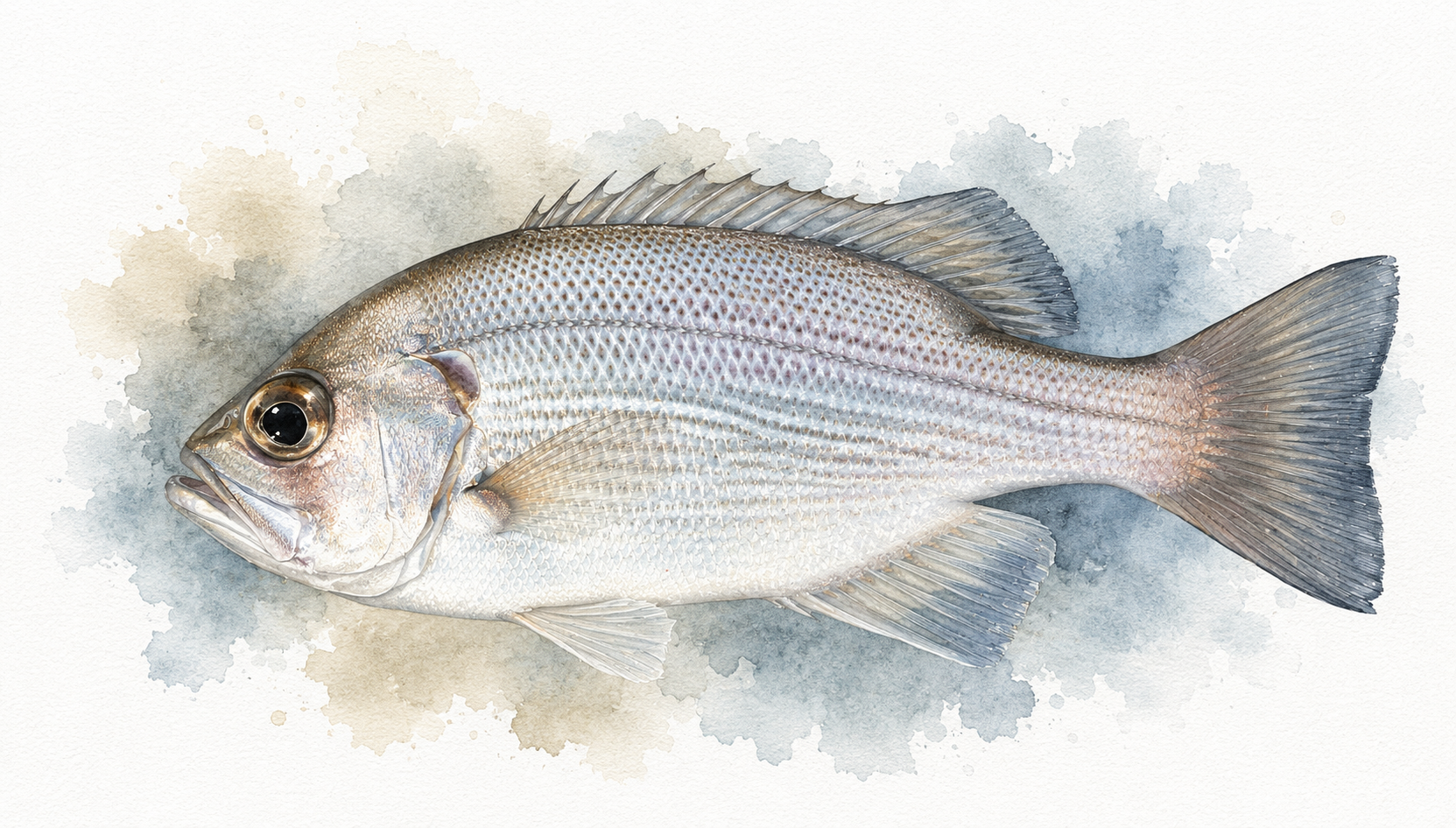
Pearl Perch occupy a niche that sits somewhere between traditional reef species and mid-water predators. Many anglers first encounter them while targeting Snapper, Trag Jew, Amberjack or reef species on offshore structure, but anglers who deliberately target Pearl Perch often catch them far more consistently.
One reason they can be overlooked is that they do not always behave like a typical bottom fish. While they are strongly associated with reef structure, they frequently feed several metres above it. This single behavioural trait explains why some anglers catch Pearl Perch regularly while others fishing the same reef rarely see one.
The most productive Pearl Perch anglers spend less time thinking about the bottom and more time thinking about the water immediately above the reef.
Tackle and Rigs
Pearl Perch are not particularly difficult fish to stop, but they are usually targeted around deep reef structure where tackle needs enough power to maintain control during the first part of the fight.
For bait fishing, a 15–24kg overhead outfit or a medium-heavy spin outfit is suitable for most offshore situations. Braided line improves bite detection and helps maintain contact in deeper water.
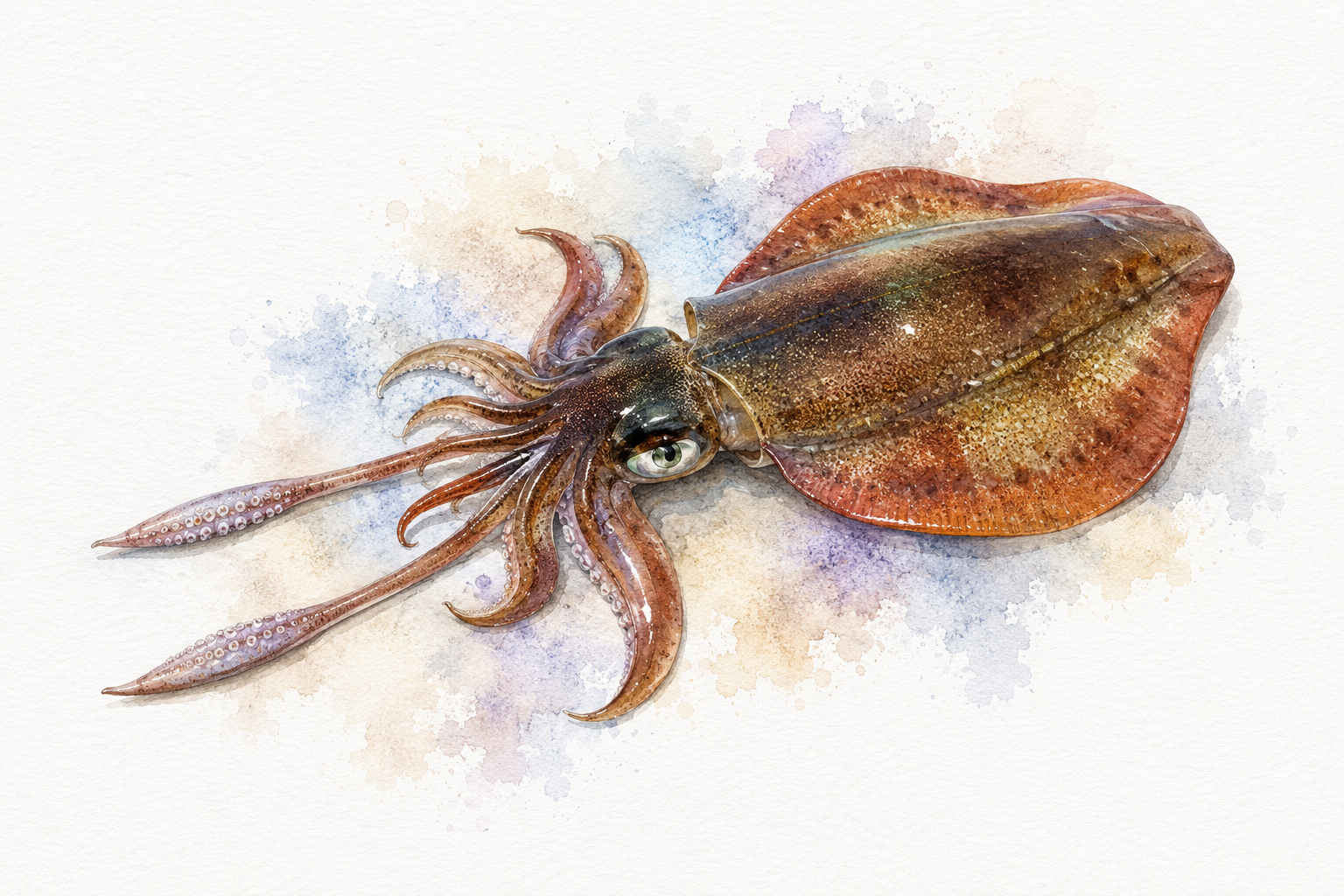
Traditional paternoster rigs remain effective, particularly when fishing squid strips and fish baits. However, many experienced Pearl Perch anglers deliberately run longer droppers than they would for Snapper or Trag because Pearlies often feed higher in the water column.
A common mistake is using rigs designed to keep baits pinned hard on the bottom. Raising a bait even a few metres above the reef can make a significant difference.
When lure fishing, tackle designed for Snapper soft-plastic fishing adapts well to Pearl Perch. Rods capable of working 60–150g jigheads, slow-pitch jigs and larger soft plastics are ideal.
When to Use Lures
Lures become increasingly effective when fish are actively feeding around bait schools. Pearl Perch often respond aggressively to soft plastics because the presentation naturally imitates wounded baitfish drifting above reef structure. Large jerk shads and paddle tails are particularly effective when allowed to sink naturally through the water column.
Many anglers work plastics too quickly. Pearl Perch frequently strike during the drop rather than the lift. Maintaining contact while allowing the lure to descend naturally often produces more bites than aggressive rod work.
Slow-pitch jigs are another productive option, especially on reefs holding suspended fish. Their fluttering action closely matches the movement of injured baitfish and squid.
One useful approach is to fish slightly wider than the highest point of the reef. Fish holding above surrounding hard bottom often encounter a descending lure before it reaches the reef itself.
Time of Day
Pearl Perch can be caught throughout the day, particularly in deeper water where light penetration has less influence on feeding behaviour. That said, dawn remains one of the most productive periods on many southeast Queensland and northern New South Wales reef systems. Early morning often coincides with increased bait activity around reef edges, and Pearl Perch commonly rise higher in the water column to feed.
The first few hours after sunrise frequently produce the most aggressive lure bites of the day.
Unlike some reef species that become difficult to catch during bright conditions, Pearl Perch often continue feeding throughout daylight hours provided current remains favourable.
Common Mistakes
The most common mistake is fishing too close to the bottom. Many anglers assume Pearl Perch behave like other reef fish and keep baits directly on the seabed. In reality, a significant proportion of fish are caught several metres above the structure.
Another mistake is ignoring small or isolated reef features. Large reef systems attract attention, but small pinnacles, gravel rises and isolated hard-bottom patches often hold quality Pearl Perch with less fishing pressure.
Poor boat positioning is another major issue. A drift line only a short distance off target can move baits completely away from productive structure.
Lure anglers also frequently retrieve too quickly. Pearl Perch regularly strike on the sink, making controlled descents more important than aggressive retrieves.
Finally, many anglers leave productive reefs too quickly. Pearl Perch often feed in short windows associated with current changes, and a reef that appears quiet can become highly productive when conditions align.
The Bottom Line
Consistent Pearl Perch fishing comes down to understanding one key principle: they are reef fish that frequently feed above the reef. That behaviour influences almost every aspect of how they should be targeted. It affects bait presentation, lure choice, rig design and boat positioning. Focus on offshore hard-bottom structure between 20 and 150 metres, fish clean oceanic water with moderate current, and avoid pinning presentations directly to the seabed.
Whether fishing squid strips on paternoster rigs, drifting soft plastics across reef edges or working slow-pitch jigs through suspended fish, anglers who keep their presentation above the structure generally catch more Pearl Perch than those who fish hard on the bottom. On many east-coast reef systems, that small adjustment is often the difference between occasionally catching Pearl Perch and targeting them deliberately.