
Introduction
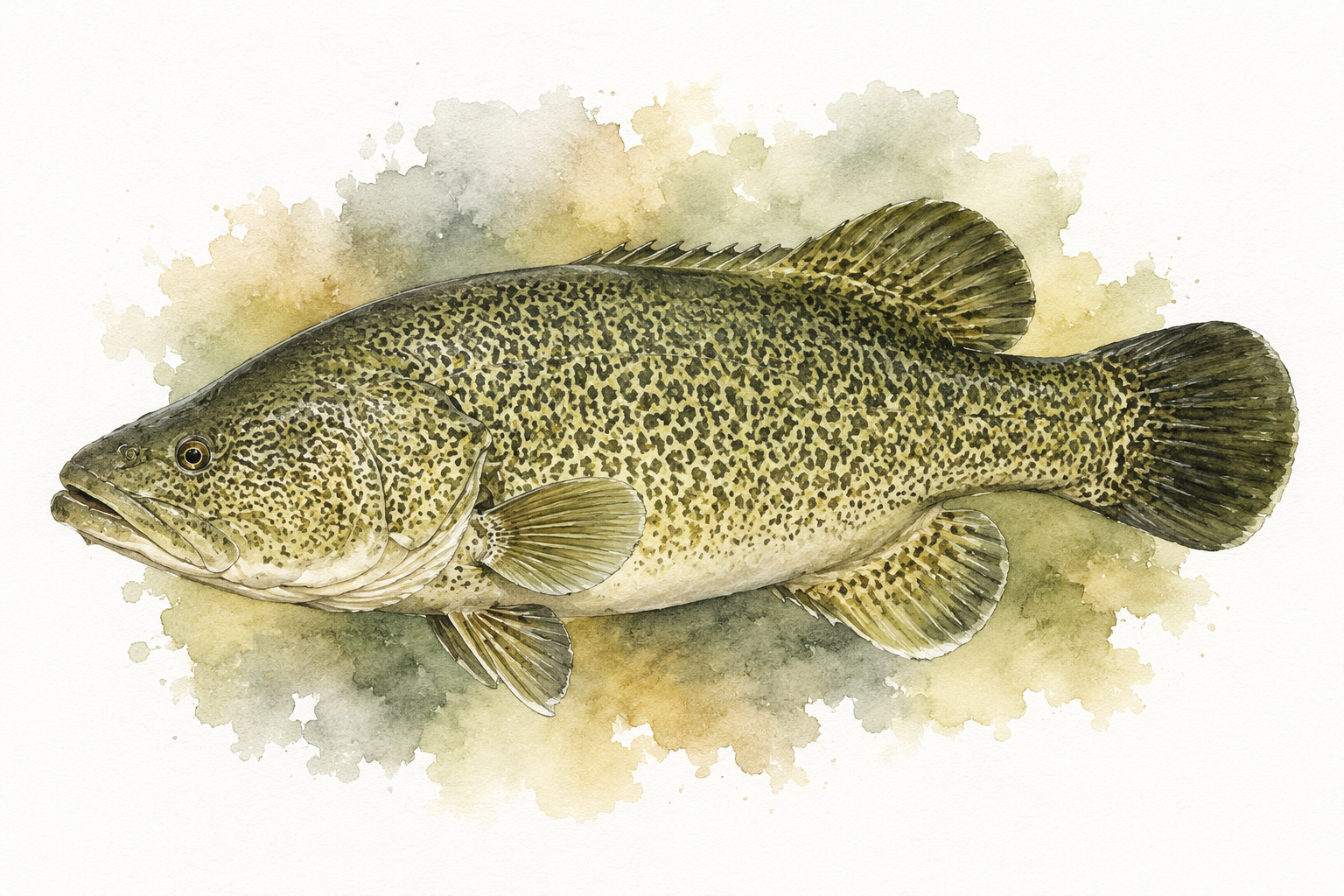
Murray Cod are unlike most Australian freshwater sportfish. They are not built for speed, they rarely roam long distances in search of food, and they do not spend their lives chasing bait schools around open water. Instead, Murray Cod are structure-oriented ambush predators that spend much of their time positioned around a relatively small area of cover, waiting for prey to make a mistake.
Understanding this single behavioural trait explains why some anglers catch cod consistently while others struggle. Successful cod fishing is usually less about covering vast amounts of water and more about identifying the right structure, presenting a lure or bait accurately, and understanding when a fish is likely to leave cover and feed.
Throughout the Murray-Darling Basin, cod occupy everything from narrow inland creeks to massive river systems and large impoundments. Despite the variety of environments, their behaviour remains remarkably consistent. They prefer cover, they use current breaks efficiently, and they are capable of explosive bursts of aggression when an opportunity presents itself.
Many anglers think of Murray Cod as deep-water fish, but some of the biggest fish in the system spend surprising amounts of time in relatively shallow water. Large cod regularly move onto shallow flats, flooded banks and timber-lined edges to hunt, particularly during low-light periods and stable weather conditions.
The mistake many anglers make is focusing too heavily on finding fish rather than understanding where fish are most likely to position themselves. Cod are often exactly where they should be. The challenge is presenting a lure or bait where the fish can intercept it naturally.
A snag that appears insignificant on a sounder may hold a cod for months. Likewise, a large stretch of seemingly perfect riverbank may contain only one or two pieces of structure that actually hold fish. Learning to identify high-percentage locations is what separates occasional cod captures from consistent success.
Tackle and Rigs
Murray Cod fishing places unique demands on tackle because most fish are hooked extremely close to heavy structure.
Once hooked, a cod’s first reaction is rarely a long run. Instead, it will often turn immediately back toward the snag, root ball or logjam where it was sitting. If anglers cannot stop that first surge, the fight is often over within seconds.
For general river fishing, a medium-heavy baitcasting outfit rated around 15–30lb provides excellent versatility. In larger rivers containing substantial timber, many experienced cod anglers increase this to 20–40lb or heavier.
Braided line between 30lb and 65lb is common depending on location. Heavy fluorocarbon or monofilament leaders between 40lb and 80lb are often required around abrasive timber and rock structure.
Baitcasting reels dominate cod fishing because they allow accurate lure placement. Precision matters. A cast landing 30 centimetres from a log may receive a strike. The same cast landing two metres away may go untouched.
When bait fishing, simple rigs are usually best. Running sinker rigs, lightly weighted presentations or even unweighted baits can all be effective depending on flow conditions.
The key is positioning the bait where cod naturally hold. A perfectly rigged yabby sitting in open water is rarely as effective as an average presentation placed beside a submerged log.
Large cod frequently consume surprisingly large prey. Do not be afraid to use substantial baits when specifically targeting trophy fish.
When to Use Lures
Lures allow anglers to actively search productive water and trigger reaction strikes from fish that may not be actively feeding.
One of the biggest advantages of lure fishing is the ability to repeatedly present a lure through a cod’s strike zone from different angles. Murray Cod often require multiple presentations before committing.
Spinnerbaits remain one of the most effective cod lures ever developed because they can be worked through timber with relatively low snag risk. Their vibration allows fish to locate them even in heavily stained water.
Chatterbaits perform a similar role and have become increasingly effective in rivers and impoundments where cod feed heavily on baitfish.
Large hardbody divers excel when fish are holding deeper along timber edges, rock bars and submerged channels. The most productive retrieves are often slower than many anglers expect. Cod are rarely interested in chasing a lure over long distances. Bringing the lure close to the fish is far more important than retrieving it quickly.
Surface fishing deserves special attention.
Murray Cod are one of Australia’s most exciting surface-caught freshwater species. Large paddlers, crawler-style lures and wakebaits can draw fish from surprising depths.
The biggest mistake anglers make with surface lures is retrieving too quickly. Many successful cod anglers use an almost painfully slow retrieve. The goal is to create a consistent surface disturbance rather than a fast-moving target.
A cod may track a surface lure for several metres before striking. Slow retrieves allow fish time to locate and commit to the lure.
In impoundments, swimbaits and large glide baits have become increasingly effective for targeting trophy fish. These lures imitate larger prey items and often appeal to bigger cod that are accustomed to feeding on sizeable forage.
Time of Day
Murray Cod can be caught at any time, but not all periods are equal.
Low-light periods consistently produce some of the most reliable fishing. Dawn, dusk and the first few hours of darkness often see cod move away from heavy cover and become more active hunters.
This is particularly noticeable during warmer months when daytime water temperatures become elevated.
Night fishing has developed a strong following among dedicated cod anglers because large fish frequently become more confident under cover of darkness. Surface lures are especially effective during these periods.
That said, many anglers underestimate daytime fishing.
Large cod often remain catchable throughout the middle of the day if presentations are placed accurately into heavy cover. During bright conditions, fish generally position tighter to structure, making precise casting even more important.
Overcast weather can extend feeding periods significantly. A cloudy summer day may produce active fish from morning until late afternoon.
During winter, bite windows often become shorter and more closely linked to temperature changes. The warmest period of the day frequently provides the best opportunity.
One pattern experienced cod anglers observe repeatedly is the effect of stable conditions. Several days of similar weather often produce better fishing than rapidly changing conditions, regardless of season.
Common Mistakes
The most common Murray Cod mistake is failing to fish tight enough to structure.
Many anglers are worried about losing lures and therefore cast beside the snag rather than into the strike zone. Unfortunately, cod spend much of their lives buried in structure. Avoiding structure often means avoiding fish.
Another common mistake is fishing too quickly.
Cod are ambush predators. They are accustomed to prey moving naturally through their territory. Excessively fast retrieves frequently pull the lure away before the fish has committed.
Many anglers also leave productive water too soon.
A cod may ignore the first cast, inspect the second and attack the fifth. Repeated presentations from different angles often trigger strikes from fish that initially appeared inactive.
Boat positioning is another overlooked factor.
Approaching structure aggressively with electric motors, loud impacts or excessive movement can reduce opportunities, particularly in shallow water. Quiet approaches generally produce more bites.
Many anglers become overly focused on depth while ignoring structure quality.
A shallow logjam with current flow and bait activity is often more productive than a featureless deep hole. Cod relate to cover first and depth second.
Perhaps the biggest mistake of all is treating every snag equally.
Some pieces of structure simply hold fish better than others. Large timber connected to deeper water, current breaks, undercut banks and channel edges consistently outperform isolated or featureless cover.
Learning to recognise high-percentage structure dramatically improves catch rates.
The Bottom Line
Murray Cod fishing revolves around understanding structure, precision and timing.
The anglers who consistently catch cod are rarely doing anything complicated. They simply place their presentations where cod naturally live, fish methodically and understand how these fish use cover throughout changing conditions.
Whether fishing a small inland creek, a major river system or a large impoundment, the same principles apply. Focus on substantial structure, present baits or lures accurately, and pay close attention to water stability rather than chasing dramatic environmental changes.
The fish itself provides the blueprint. Murray Cod are territorial ambush predators built to dominate timber, rock and current breaks. Once anglers understand that behaviour, locating fish becomes easier, lure selection becomes simpler and fishing decisions become more logical.
More than any particular lure or bait, success with Murray Cod comes from learning to think like the fish. Find the structure that offers security, feeding opportunities and efficient ambush points, and chances are a cod is already there.