
Introduction
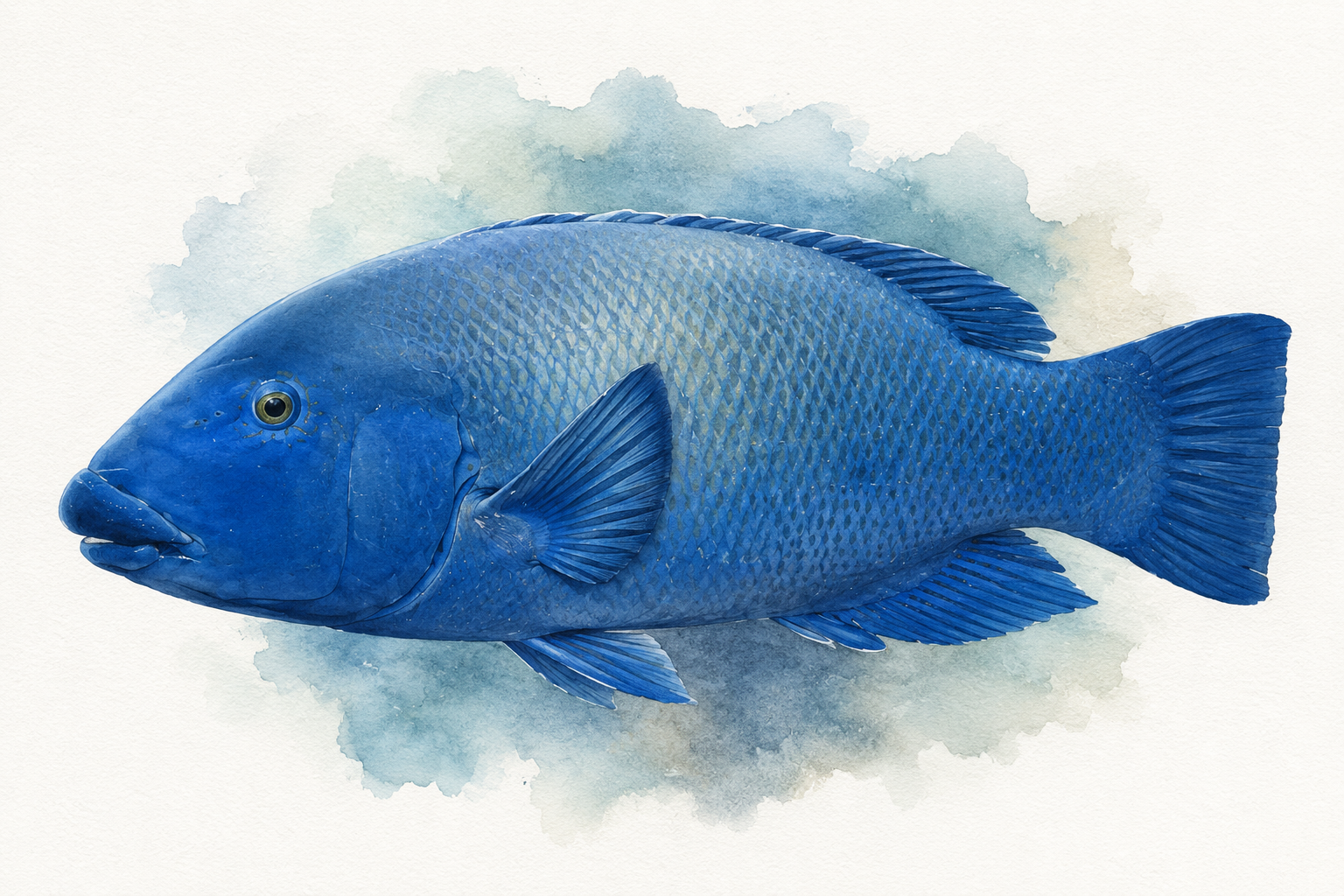
Blue groper are unlike most fish targeted by Australian anglers. They are not a pelagic hunter that follows bait schools, nor are they a classic reef ambush predator sitting deep in caves waiting for passing prey. Instead, they are highly territorial reef residents that spend much of their lives patrolling the same stretches of rocky coastline, feeding on crabs, sea urchins, shellfish and other hard-bodied invertebrates.
That behaviour changes how they should be approached.
Many anglers fail because they fish for blue groper the same way they fish for snapper, drummer or reef species. Blue groper are usually caught by anglers who focus on specific structure, present baits naturally and understand how the fish move through shallow reef habitat.
Large fish often occupy surprisingly shallow water. It is not uncommon for trophy blue groper to be feeding in only a few metres of water around whitewater washes, kelp-covered reefs and rocky ledges. Their confidence around shallow structure is one of the reasons they have become such a distinctive target for rock and reef anglers throughout New South Wales and southern Queensland.
One of the most useful observations about blue groper is that they are creatures of habit. A large fish may occupy the same reef system for years. Once productive locations are identified, they often continue producing fish season after season provided conditions remain suitable.
Understanding this territorial nature is one of the biggest steps toward catching blue groper consistently.
Tackle and Rigs
Blue groper are not particularly line shy, but they are exceptionally powerful once hooked. Most fish are hooked close to reef structure and immediately attempt to return to caves, bommies, kelp beds or boulder fields. The first few seconds of the fight often determine the outcome.
For rock fishing, a medium-heavy setup capable of applying substantial pressure is ideal. Many experienced groper anglers favour rods between 9 and 11 feet matched with 5000–8000 size reels loaded with 20–40 lb braid or strong monofilament.
Boat anglers working shallow reefs often prefer shorter rods around 6–7 feet combined with 20–30 lb braid and heavy fluorocarbon leaders.
Leader strength matters. Blue groper frequently rub line against rock edges during prolonged fights. Leaders between 40 and 80 lb are commonly used around rough terrain, particularly where large fish are expected.
Simple rigs generally outperform complicated ones. A running sinker rig remains one of the most effective setups because it allows bait to move naturally while maintaining bottom contact. The sinker should be only heavy enough to hold position in the existing current and surge.
Many experienced groper anglers deliberately use minimal weight. Excessive sinker weight can make baits appear unnatural and reduce bites from cautious fish feeding among reef structure.
Hooks should be strong and capable of handling sustained pressure. Blue groper possess powerful jaws designed for crushing shellfish and sea urchins, making heavy-gauge hooks preferable to lighter patterns.
When fishing shallow washes, positioning often matters more than rig design. A perfectly placed bait beside a kelp-covered boulder will consistently outfish a superior rig dropped into featureless water.
When to Use Lures
Although bait remains the most reliable approach, lure fishing for blue groper has become increasingly effective as soft plastic technology has improved. The key is understanding what the fish naturally eat. Blue groper are not actively chasing fast-moving baitfish throughout the water column. Their diet consists largely of reef-dwelling prey that move slowly along the bottom. This means lure presentations should remain close to the reef. Slow-sinking creature baits, crab imitations and robust soft plastics are often more productive than traditional fast-moving lure styles.
Most successful retrieves involve subtle movements rather than aggressive action. Short lifts, small hops and extended pauses allow lures to remain within the strike zone for longer periods. Many strikes occur immediately after the lure settles back onto the bottom.
Weedless-rigged plastics offer a major advantage around kelp beds and broken reef. They allow anglers to work through heavy cover that would quickly snag conventional jig heads.
Micro jigs can also be effective around deeper reef edges, particularly where fish are holding along broken reef transitions. Slow-pitch presentations that maintain near-bottom contact generally outperform high-speed retrieves.
One common mistake is retrieving too quickly. Blue groper are often observed inspecting potential food items before eating them. Fast-moving lures frequently leave the strike zone before the fish has committed.
The most productive lure anglers often fish deliberately and patiently, treating the lure more like a crab or sea urchin than a fleeing baitfish.
Time of Day
Blue groper can be caught throughout daylight hours, but certain periods consistently produce better results. Early morning remains one of the most reliable windows, particularly around shallow reef systems exposed to increasing sunlight. Fish often move onto reef flats and feeding areas after first light to forage among crabs and shellfish exposed by tidal movement. Late afternoon can produce similar activity. These periods often coincide with reduced boat traffic, lower fishing pressure and increased confidence among larger fish.
Unlike many predatory species, blue groper do not rely heavily on low-light ambush feeding. They frequently continue feeding during the middle of the day, particularly when water clarity remains high and swell conditions are manageable. For this reason, anglers should not overlook productive midday opportunities.
Instead of focusing exclusively on time of day, it is often more useful to focus on water quality and tidal movement. A midday session with clear water and moderate tidal flow will often outperform a dawn session in dirty or turbulent conditions.
Visibility appears particularly important. Blue groper commonly inspect baits before eating them, and clear water generally allows fish to feed more confidently around shallow reef structure.
Many experienced anglers also notice increased activity after several consecutive days of stable weather. These periods often produce cleaner water, improved visibility and more predictable feeding behaviour.
Common Mistakes
The most common mistake made by anglers targeting blue groper is fishing too far away from structure. Many fish are caught within metres of reef edges, kelp beds, caves and boulder fields. Presenting baits in open water dramatically reduces encounters.
Blue groper are structure-oriented fish. If there is no significant reef nearby, there is usually little reason for them to be present.
Another common mistake is using tackle that is too light. Small groper can be landed on relatively light gear, but large fish hooked around reef country quickly expose weaknesses in rods, leaders and terminal tackle.
Losing fish to reef abrasion remains one of the biggest frustrations among inexperienced groper anglers. Many anglers also strike too aggressively. Blue groper often mouth and crush baits before fully committing. Immediate hard strikes can pull baits away before the fish has properly taken them. Allowing the fish a moment to commit before applying steady pressure usually produces better hook-up rates.
Poor location selection is another frequent issue. Not all reef looks equal. Productive groper habitat typically contains a combination of broken rock, kelp growth, whitewater movement and abundant crustacean life. Smooth reef platforms with limited cover generally support fewer fish than complex reef systems with caves, gutters and boulder fields.
Many anglers also underestimate the importance of water clarity. Blue groper often become difficult to locate after heavy rain, prolonged swell events or major freshwater runoff. Waiting for conditions to stabilise can dramatically improve results.
Finally, many anglers move too frequently. Because blue groper often occupy established territories, remaining on productive structure and presenting quality baits patiently often produces better results than constantly relocating between spots.
The Bottom Line
Consistent success with blue groper comes from understanding their relationship with reef structure rather than focusing solely on bait or tackle. These fish spend much of their lives around the same rocky environments, feeding on crabs, shellfish, sea urchins and other reef-dwelling prey. The anglers who catch them regularly are usually those who identify productive habitat first and then build their approach around it. Look for broken reef, kelp-covered boulders, wash zones, caves and areas where tidal movement exposes natural food sources. Prioritise clean water, moderate tidal flow and stable weather patterns. Present natural baits close to structure, fish patiently and be prepared to apply serious pressure once hooked.
Blue groper are rarely a species of chance. Most captures are the result of deliberately targeting specific habitat and understanding how the fish use it. Once that pattern becomes clear, anglers often discover that the same reef systems continue producing fish year after year.
For anglers prepared to fish close to rugged coastal structure and think like a reef forager rather than a baitfish hunter, blue groper offer one of the most distinctive and rewarding shore and inshore fishing opportunities available along Australia’s south-eastern coastline.