
Introduction
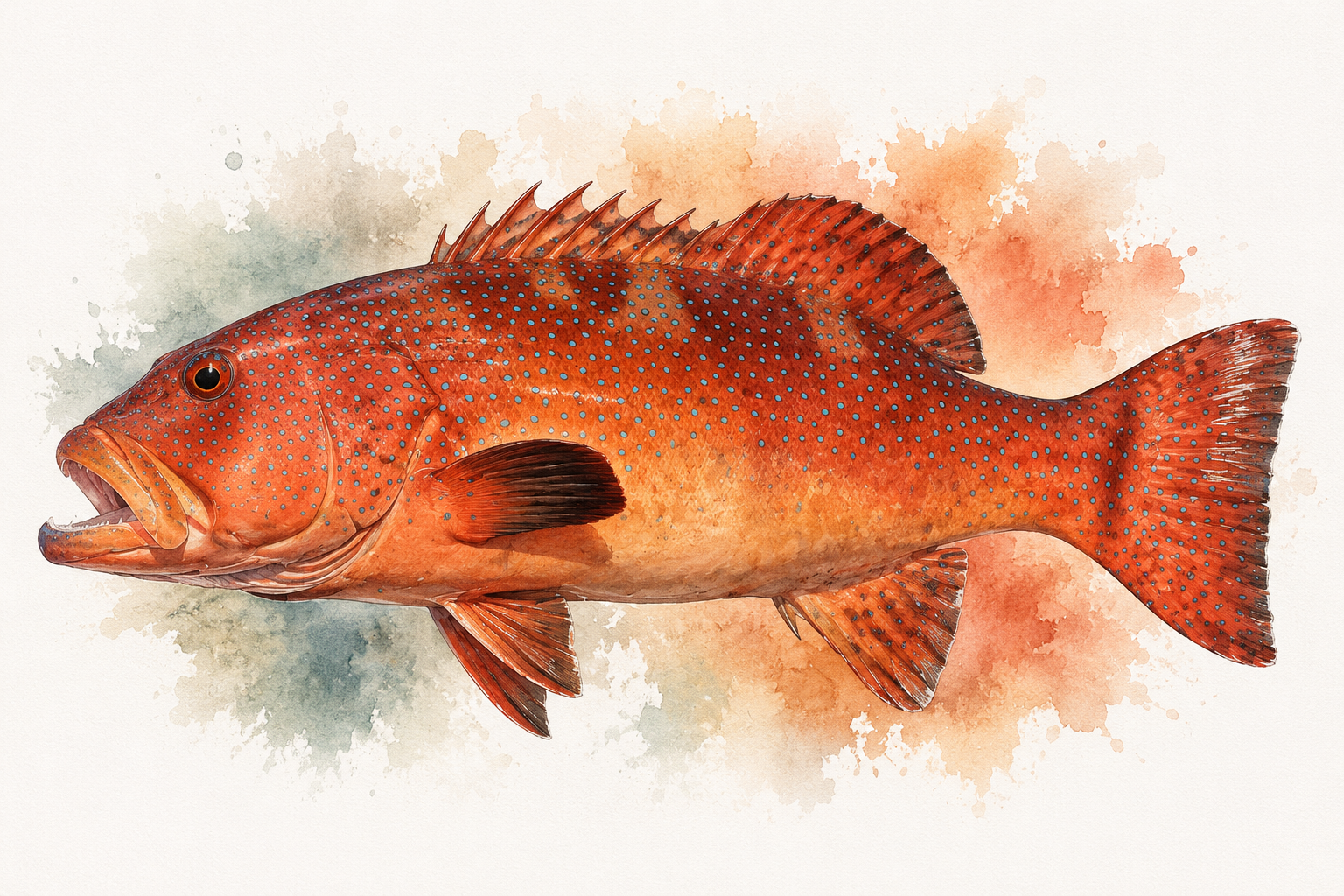
Coral trout are a structure-dependent predator. Understanding that single characteristic will improve your catch rate more than any lure choice, tackle upgrade or secret GPS mark. Unlike pelagic species that roam vast areas in search of food, coral trout spend much of their lives closely associated with specific reef structures. A fish may patrol the same bommie, ledge, coral outcrop or pressure edge for extended periods, using that structure as both a feeding station and a refuge. For anglers, this means the focus should not be on finding fish. The focus should be on finding the right structure.
Across Queensland’s Great Barrier Reef, the Coral Sea, Torres Strait and northern Western Australia, successful trout anglers spend their time identifying isolated reef features that concentrate bait and provide ambush opportunities. Once those features are located, catching coral trout becomes a matter of presenting a lure or bait where the fish expects prey to appear.
Coral trout are visual predators. They rely heavily on sight, attack aggressively and usually commit fully once they decide to strike. The challenge is not convincing them to eat. The challenge is getting the fish away from the reef before it cuts the line. Most lost trout are not the result of poor knots or tackle failure. They are lost within the first few seconds after the hook-up when the fish dives back toward coral structure.
Understanding this behaviour is the foundation of consistent coral trout fishing.
Tackle and Rigs
Coral trout live in places designed to destroy fishing gear. Coral heads, reef ledges, bommies and hard coral shelves give hooked fish immediate access to structure. As a result, tackle selection is largely about stopping power rather than finesse.
For shallow reef fishing, a 5000–8000 size spin reel paired with a medium-heavy to heavy rod is a practical starting point. Braided line between 30–50lb covers most situations, while leaders generally range from 40–80lb depending on reef density and fish size.
Many anglers coming from estuary or inshore fishing backgrounds underestimate just how aggressively a trout will try to reach cover. The first few metres of the fight are often the most important. A common mistake is setting the drag too lightly. Coral trout are not known for long, sustained runs. Instead, they use short bursts of power to reach nearby coral. If they succeed, abrasion usually ends the fight quickly.
When bait fishing, simple rigs consistently outperform complicated setups. A running ball sinker above a swivel with a heavy fluorocarbon leader remains one of the most effective reef rigs ever developed. It allows live baits to swim naturally while maintaining direct contact with the fish when it strikes. Live fusiliers, herring, yakkas and small reef baitfish are particularly effective because they represent the trout’s natural prey. When fishing deeper reef systems, paternoster rigs are also widely used. These keep baits slightly above the bottom while reducing snagging around rough coral terrain.
The key consideration with any rig is maintaining control immediately after hook-up. If a fish reaches the reef, the odds shift dramatically in its favour.
When to Use Lures
Coral trout are among Australia’s most lure-responsive reef species. Many anglers automatically reach for bait when targeting reef fish, but modern lure fishing techniques are exceptionally effective and often allow anglers to cover more ground.
Soft plastics have become one of the most productive options across the Great Barrier Reef. Large paddle-tail plastics rigged on heavy jigheads can be worked through reef channels, along pressure edges and around isolated bommies. The most productive retrieves are usually straightforward. Lift the lure clear of structure, allow it to sink naturally and remain prepared for an immediate strike. Coral trout frequently attack during the drop. In many cases the strike occurs before the lure reaches the bottom. This behaviour reflects the way trout naturally hunt. They sit close to cover and wait for baitfish to move through the water column. A sinking plastic closely resembles a vulnerable baitfish losing position in current.
Deep-diving hardbodies are another highly effective option. Trolling reef edges allows anglers to locate active fish quickly while covering extensive ground. Productive areas can then be revisited with cast lures or live baits.
One of the most overlooked aspects of trolling for coral trout is lure tracking depth. Many anglers run lures above the strike zone. Successful operators deliberately choose divers that contact reef structure occasionally. The brief deflection created when a lure strikes coral often triggers an immediate reaction strike.
In deeper water, metal jigs and slow-pitch techniques have become increasingly popular. These methods work particularly well on isolated reef structure where fish hold near the base of drop-offs. The vertical presentation keeps the lure in the strike zone for longer and allows precise targeting of fish marked on sounders.
Surface lures can also produce spectacular strikes in shallow reef environments, particularly around current-washed bommies holding active baitfish. Although not the most consistent method, watching a large coral trout explode on a stickbait remains one of reef fishing’s most memorable experiences.
Time of Day
Coral trout can be caught throughout daylight hours, but not all periods are equal. Unlike some reef species that feed primarily during low-light periods, coral trout often remain active throughout the day when water movement is present.
Current is usually more important than the clock. A strong tide pushing across a productive reef edge at midday will often outperform a dawn session during slack water. That said, early morning periods frequently provide several advantages. Water temperatures are slightly lower, boat traffic is reduced and baitfish activity often increases around shallow reef structure. These factors can combine to create concentrated feeding windows.
Late afternoon can produce similar results. On shallow reefs, reduced light levels often encourage larger fish to move further from cover. This creates opportunities for lure anglers working soft plastics and hardbodies around bommies and reef points.
Cloud cover can also influence activity. Bright, clear conditions sometimes push larger fish deeper into structure during the middle of the day. Broken cloud can reduce light penetration and encourage more aggressive feeding behaviour.
Regardless of time of day, anglers should focus on periods when current is moving clean ocean water across productive reef structure. That combination consistently outperforms any particular hour on the clock.
Common Mistakes
The biggest mistake made by inexperienced coral trout anglers is fishing structure that looks good rather than structure that is actively holding bait. Not all coral is equal. A spectacular-looking reef may hold surprisingly few fish if bait concentrations are absent. Meanwhile, a relatively small bommie positioned in a current lane can hold multiple quality trout. Always look for the combination of structure and food.
Another common mistake is fishing too far from cover. Many anglers worry about snagging and present lures or baits well away from the reef. The result is fewer strikes. Coral trout are ambush predators. The closer the presentation passes to structure, the more likely it is to be attacked. A lure retrieved several metres from a bommie may never be noticed. The same lure passing within centimetres of the coral can be eaten instantly.
Underestimating reef current is another frequent error. Many anglers drift too quickly over productive areas or fail to account for lure angle and sink rate. Successful reef anglers constantly adjust boat position, drift speed and lure weight to maintain contact with the strike zone.
Poor hook-up discipline also costs fish. Coral trout often hit with extraordinary force. Many anglers react with an exaggerated strike that either pulls hooks free or creates unnecessary slack. Modern braided line and sharp hooks usually require little more than steady pressure and immediate control.
Perhaps the most expensive mistake is hesitating after hook-up. The instant a trout is hooked, the objective becomes separating the fish from structure. Too many anglers admire the strike, hesitate momentarily or allow the fish a few metres of line. Those few metres are often enough. Once the fish reaches coral, recovery becomes difficult and tackle failure becomes much more likely.
The Bottom Line
Successful coral trout fishing revolves around a simple formula: find active reef structure, fish close to cover and maintain immediate control after the strike. Everything else is secondary.
Coral trout are not nomadic fish roaming open water. They are highly structure-oriented predators that position themselves where current, bait and reef terrain intersect. The anglers who consistently catch quality fish are usually the ones who spend more time studying reef features and less time changing lures. Look for isolated bommies, current-washed reef points, coral gutters, pressure edges and hard structure holding visible baitfish.
Fish periods of moving water. Present baits and lures close enough to structure that they enter the trout’s ambush zone. Then be prepared. Because when a coral trout decides to eat, the hardest part of the capture is usually the next three seconds. Those first few moments determine whether the fish ends up in the boat or buried deep inside the reef.
Master that stage of the fight, and coral trout become one of the most consistent and rewarding reef species available to Australian anglers.