

Introduction
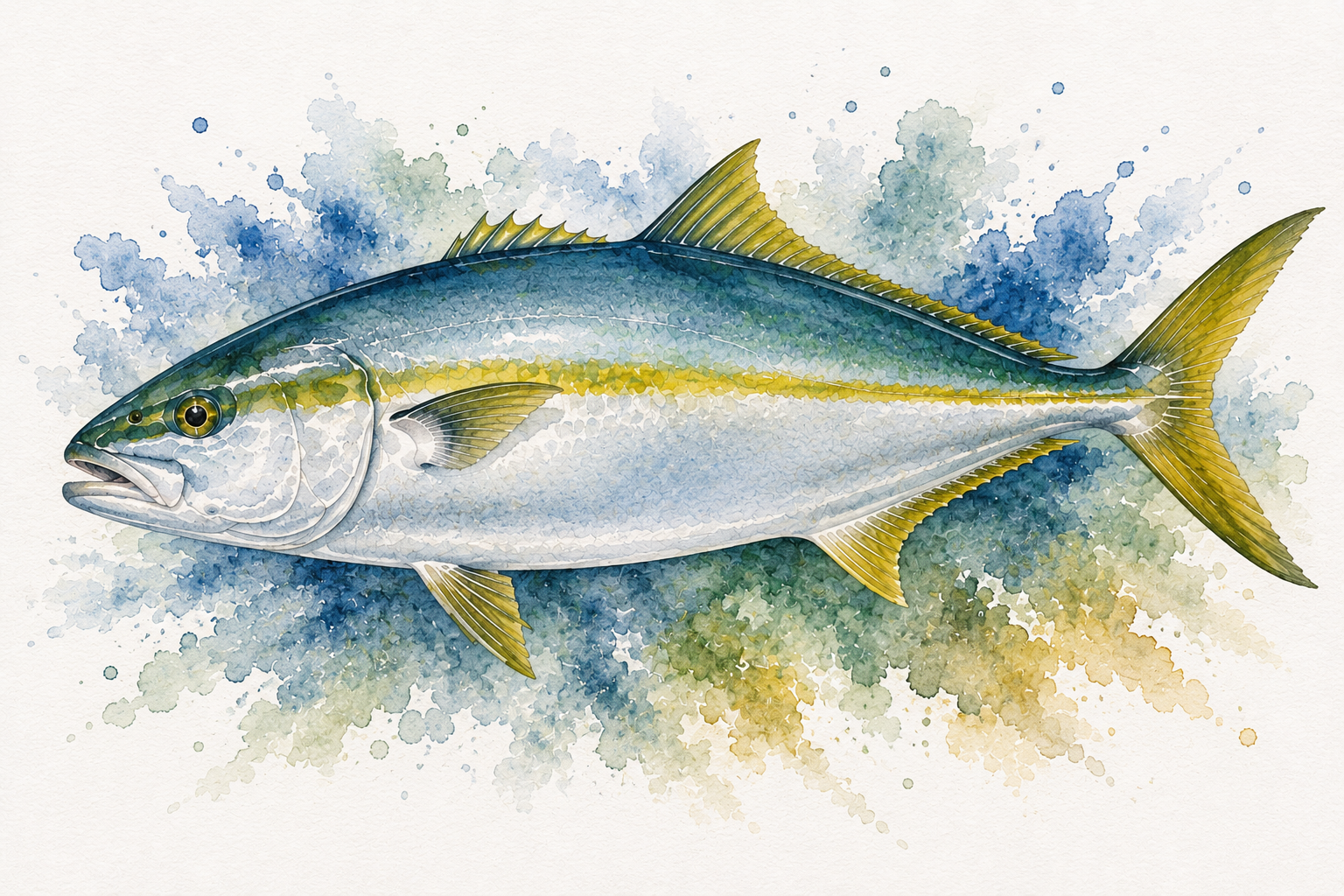
Yellowtail kingfish occupy a unique position in Australian sportfishing. Few species combine raw power, speed, aggression and unpredictability quite like a kingfish. They can be found from sheltered harbour markers to remote offshore pinnacles, and while smaller fish are often relatively easy to locate, consistently catching large kingfish is a very different challenge.
Many anglers think of kingfish as structure-oriented fish, which is true to a point. However, structure alone does not hold kingfish. Bait holds kingfish. Structure simply provides the conditions that concentrate bait.
This distinction is important because it changes how productive water is identified. The best kingfish spots are rarely just isolated reefs or headlands. They are reefs, pinnacles, islands or markers that are actively holding bait and receiving current flow.
Kingfish are highly mobile predators. They may spend one day holding tightly to a reef edge and the next day roaming several kilometres away following bait schools. Successful anglers learn to focus less on specific GPS marks and more on the factors that make those marks productive.
The species is built for open-water hunting. Their streamlined body, deeply forked tail and immense stamina allow them to chase down fast-moving baitfish over considerable distances. This feeding behaviour explains why kingfish respond so aggressively to fast-moving lures and live baits.
Unlike many reef species that spend long periods close to the bottom, kingfish commonly hold throughout the water column. It is not unusual to find them suspended beneath bait schools, cruising high in the water column or feeding on the surface despite being located over deep reef.
This is one of the reasons modern electronics have become such a valuable kingfish tool. Successful anglers spend as much time interpreting sounder screens as they do fishing.
Finding kingfish is often easier than convincing large fish to bite. Trophy fish have seen enormous fishing pressure in many popular locations, particularly around major east coast centres. Presentation, bait quality, lure choice and boat positioning become increasingly important as fish size increases.
The anglers who consistently catch big kingfish are usually those who understand fish behaviour rather than simply relying on proven spots.
Tackle and Rigs
Kingfish are brutally powerful fish that expose weaknesses in tackle very quickly.
A common mistake among inexperienced anglers is selecting gear based on average fish size rather than the terrain being fished. A 10kg kingfish hooked over shallow reef is a completely different proposition to a 10kg fish hooked in open water.
For live bait fishing around reefs, markers and island systems, outfits in the PE4 to PE8 range are standard throughout most Australian fisheries. These rods provide enough lifting power to stop fish reaching structure while still maintaining enough sensitivity to fish live baits effectively.
Reels should feature strong drag systems and substantial line capacity. Kingfish are capable of lengthy first runs followed by repeated deep surges beneath the boat.
Leader strength varies by location, but most experienced anglers fish heavier leaders than they initially think necessary. Around reef systems, leaders between 60lb and 100lb are common.
Many fish are lost not because the tackle is inadequate, but because anglers allow fish too much freedom during the opening stages of the fight.
The first ten seconds after hook-up are often the most important part of the battle.
Large kingfish instinctively attempt to return to reef structure. Allowing them to reach reef generally ends the fight quickly.
For live bait fishing, simple rigs consistently outperform complicated setups.
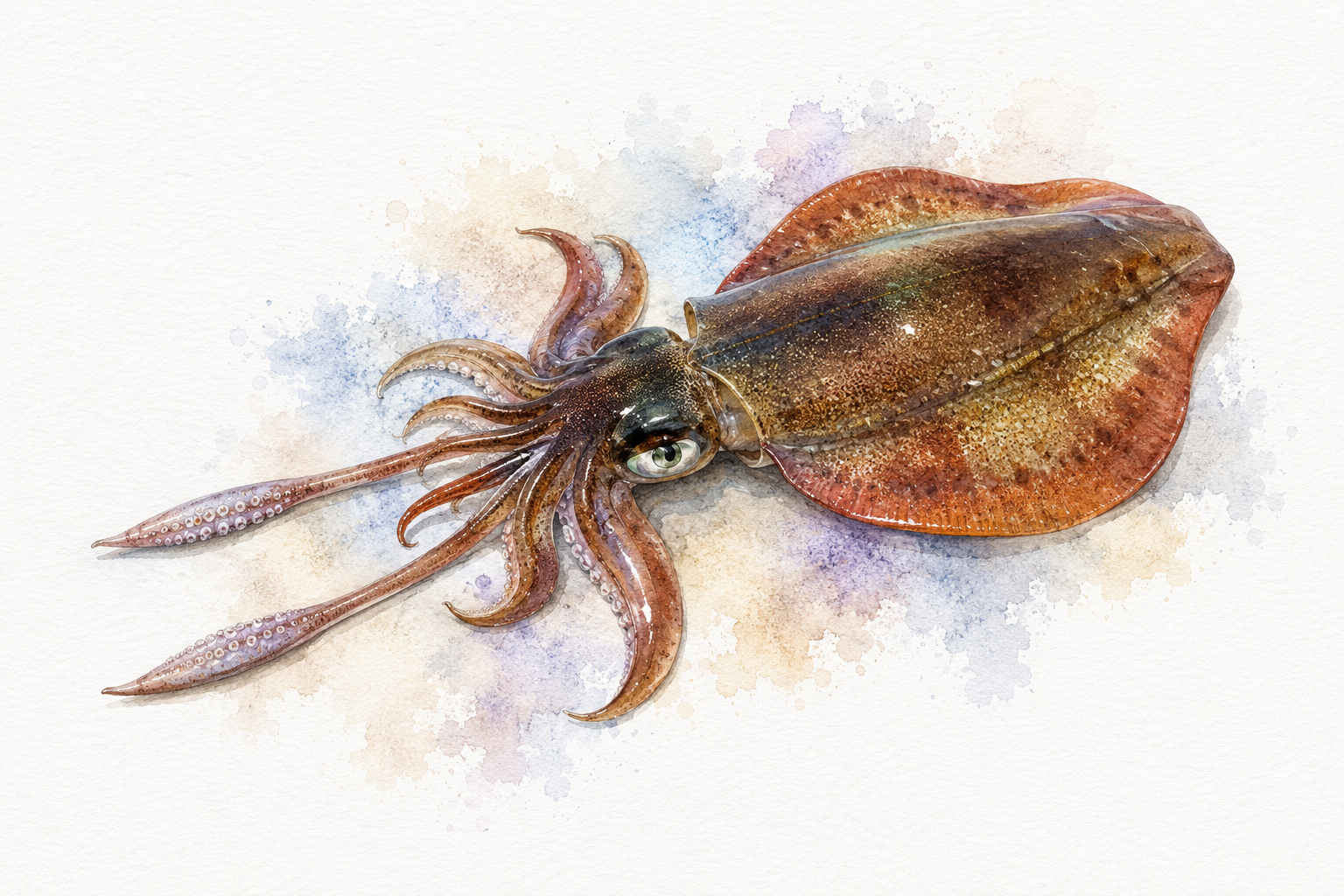
A single live-bait hook through the nose or shoulder of a live squid, slimy mackerel or yakka is often all that is required. Depending on current strength and fish location, baits can be fished unweighted, lightly weighted or beneath downriggers.
One of the biggest advantages of modern sounders is the ability to determine exactly where fish are holding within the water column.
There is little value fishing a bait on the bottom when kingfish are suspended halfway down the water column beneath bait schools.
When to Use Lures
Modern kingfish lure fishing has evolved dramatically over the past decade.
Surface stickbaits, poppers, mechanical jigs, sinking stickbaits and large soft plastics now account for enormous numbers of fish throughout Australia.
The most productive lure choice is usually determined by fish behaviour rather than angler preference.
When kingfish are actively feeding near the surface, stickbaits and poppers are difficult to beat.
Surface fishing provides a visual advantage because anglers can often identify active fish before making a cast. Surface-feeding kingfish frequently reveal themselves through bait eruptions, bird activity, surface boils or sonar observations.
Stickbaits excel when fish are feeding selectively or following bait schools without aggressively attacking them. Their more subtle action often convinces cautious fish that refuse larger surface presentations.
Poppers come into their own when fish are highly aggressive. The noise, surface disturbance and visual commotion can trigger reaction bites from fish that may otherwise ignore a presentation.
Many anglers retrieve surface lures too quickly.
Large kingfish often follow a lure for considerable distance before committing. Brief pauses and directional changes frequently trigger strikes.
Mechanical jigging remains one of the most effective techniques for locating fish holding deeper in the water column.
When sounders reveal kingfish beneath bait schools, knife jigs can be dropped directly into the strike zone.
Fast, aggressive retrieves generally outperform slower presentations. Kingfish are natural pursuit predators and often respond instinctively to fleeing prey.
Large soft plastics have become increasingly popular because they closely imitate many of the baitfish kingfish naturally target.
In situations where fish are refusing metal jigs or surface lures, a large paddle-tail plastic worked through bait schools can be highly effective.
One consistent pattern across virtually all Australian kingfish fisheries is that lure speed matters.
A lure moving too slowly often receives only casual interest.
A lure moving fast enough to imitate a fleeing baitfish frequently triggers an immediate reaction strike.
Time of Day
Kingfish can feed throughout the day, but certain periods consistently produce better fishing.
Early morning is often the most reliable window.
Bait schools tend to remain more concentrated, boat traffic is lower and surface activity is generally at its highest.
This period is particularly valuable for anglers targeting fish with stickbaits and poppers.
Dawn also frequently coincides with stronger feeding activity around reef edges and current lines.
Late afternoon can produce similar conditions, especially during warmer months when fish become more active as light levels begin to fall.
However, unlike many estuary species, kingfish are not strictly low-light feeders.
If conditions are favourable and bait is abundant, they may feed aggressively in the middle of the day.
Current movement is usually more important than the position of the sun.
A midday tide change with strong current flow will often outfish a dawn session during slack water.
For this reason, experienced kingfish anglers generally plan trips around tidal movement first and daylight periods second.
In offshore fisheries, periods when current strength increases around reefs, islands and pinnacles frequently trigger feeding activity regardless of the hour.
The key is recognising that kingfish respond to food availability far more than simple light levels.
Where bait goes, kingfish follow.
Common Mistakes
The most common mistake in kingfish fishing is targeting structure without confirming the presence of bait.
A reef that held fish yesterday may be empty today if bait has moved elsewhere.
Many anglers spend too much time fishing historical locations and not enough time searching for active fish.
Another major mistake is fighting fish too conservatively.
Kingfish hooked around reef structure should be pressured aggressively during the early stages of the fight.
Giving a fish several metres of line immediately after hook-up often allows it to reach structure and break off.
Poor bait quality also costs anglers countless opportunities.
A tired live bait does not produce the same response as a healthy, active bait.
The difference becomes even more noticeable when targeting larger fish.
Lure anglers commonly make the mistake of leaving feeding fish too early.
Kingfish feeding windows can be short, but they often repeat as bait schools reposition around structure.
Patience around active bait schools frequently produces additional opportunities.
Another common error is fishing the wrong depth.
Many anglers continue fishing near the bottom despite sounders clearly showing fish suspended much higher in the water column.
Kingfish frequently spend significant periods hunting mid-water and should be targeted accordingly.
Boat positioning is another overlooked factor.
Drifting directly over fish often pushes them away from structure or disrupts feeding behaviour.
Approaching from up-current and presenting baits or lures naturally through the strike zone generally produces better results.
Finally, many anglers underestimate how heavily current influences kingfish behaviour.
Strong current creates feeding opportunities.
Weak current often creates inactivity.
Understanding current flow is often more valuable than knowing a collection of GPS marks.
The Bottom Line
Yellowtail kingfish reward anglers who think beyond individual fishing spots.
The most successful kingfish anglers focus on a combination of structure, current, bait and seasonal movement rather than relying solely on historical locations.
Finding bait remains the single most important step in locating fish.
Once bait is located, attention should shift towards identifying how kingfish are using the area. Are they feeding on the surface? Holding beneath bait schools? Suspended off a reef edge? Sitting in a pressure zone created by current?
Answering those questions determines how fish should be targeted.
Live squid, slimy mackerel and yakkas remain among the most reliable methods for consistently catching large fish, but modern lure techniques have expanded the options available to anglers considerably.
Whether fishing stickbaits around surface-feeding schools, mechanical jigs over deep pinnacles or live baits beside offshore reefs, the underlying principles remain remarkably similar.
Find clean water.
Find current.
Find bait.
Present your offering at the depth fish are actually holding.
Do those things consistently and yellowtail kingfish become far more predictable than their reputation suggests. The challenge is not finding a fish willing to eat. The challenge is finding the conditions that make them feed, and then stopping them before they reach the reef.