

Introduction
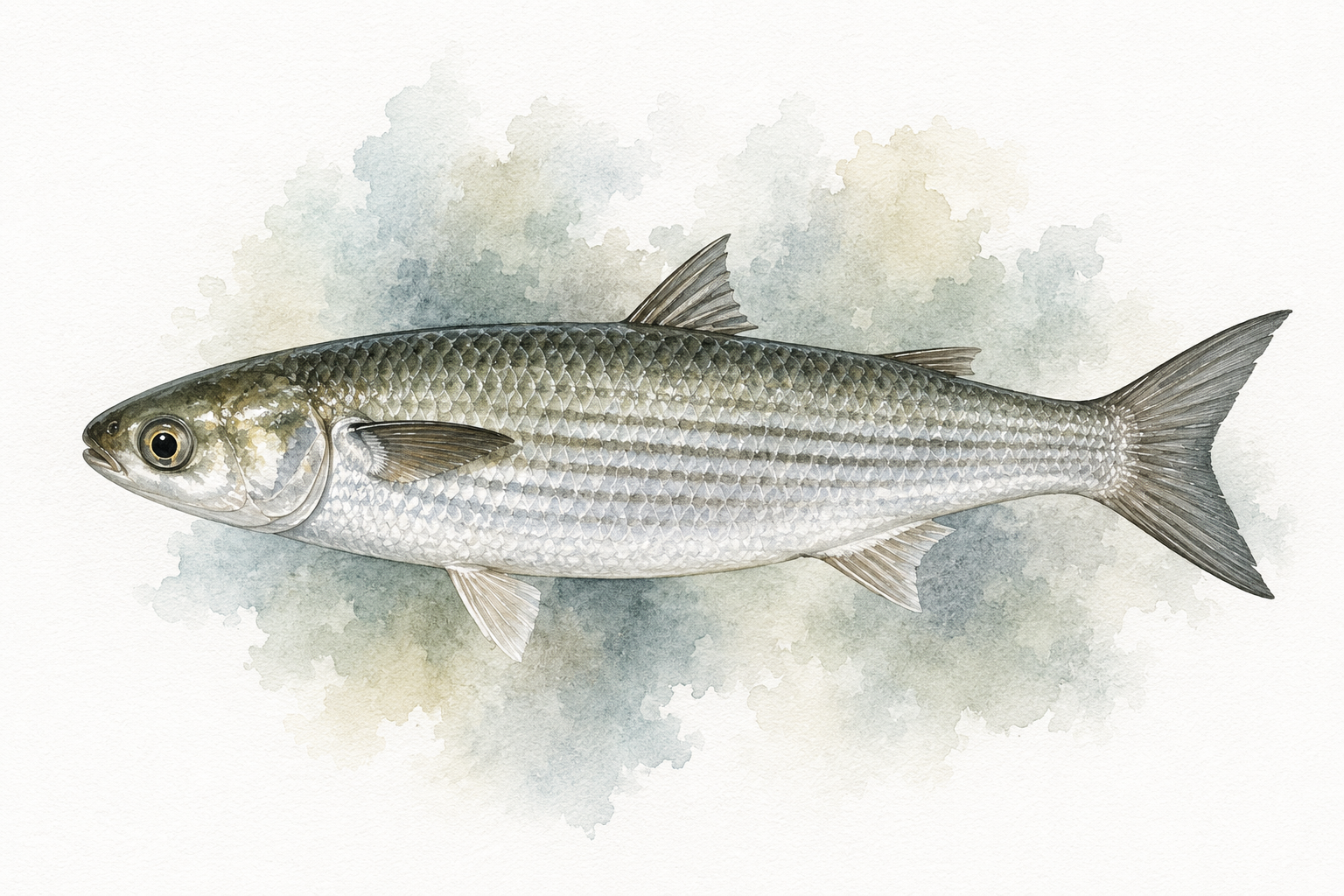
Sea mullet are one of the most widespread fish in Australian estuaries, yet they remain one of the most misunderstood. Most anglers spend years watching schools of mullet cruise through rivers, harbours and coastal lakes without ever intentionally targeting them. As a result, many assume they are impossible to catch consistently.
The reality is quite different.
Sea mullet can be targeted very effectively once you understand how they feed. The challenge is that they do not behave like most popular Australian sportfish. They are not predators that hunt baitfish, ambush structure or aggressively chase lures. Instead, they spend much of their time grazing on algae, detritus, organic matter and microscopic food suspended in the water column.
This difference in feeding behaviour explains why conventional estuary tactics often fail. A mullet angler using heavy tackle, large hooks and traditional bait-fishing techniques is usually fishing against the species rather than with it.
The anglers who consistently catch sea mullet focus on three things:
- Locating actively feeding schools
- Creating competition through berley
- Presenting small natural baits with minimal resistance
Once these factors come together, sea mullet become far more predictable than many anglers realise.
One of the biggest mistakes is assuming all visible schools are catchable. Sea mullet spend a great deal of time travelling rather than feeding. A school moving quickly along a shoreline or channel edge may ignore every bait presented to it. A feeding school behaves differently. Fish will frequently change direction, circle through a berley trail, tip downward to feed and show less concern about nearby activity.
Learning to identify the difference between travelling fish and feeding fish dramatically improves success rates.
Another characteristic that separates sea mullet from many estuary species is their willingness to occupy relatively featureless habitat. While bream and flathead often relate strongly to structure, mullet commonly spend long periods over open mud flats, shallow sand flats and gently sloping river banks. Productive areas are often defined more by food availability than physical structure.
Estuary mouths, lower river systems, coastal lakes and tidal channels consistently hold fish throughout the year. During seasonal migrations, particularly along the east coast, huge concentrations of mullet may gather around river entrances and beaches as fish move offshore to spawn.
For anglers willing to adapt their approach, sea mullet offer an accessible and surprisingly technical fishery that rewards finesse, observation and patience.
Tackle and Rigs
Sea mullet are rarely difficult to locate, but they can be extremely difficult to hook if tackle is not matched to their feeding behaviour.
A light estuary outfit is ideal. Rods in the 2–4kg range paired with 1000–2500 size reels provide more than enough capability while allowing delicate presentations.
Main line is largely a matter of preference. Light braid offers excellent bite detection, while fine monofilament can provide a little extra forgiveness when fish make sudden runs close to the boat or bank.
Hook selection is often the difference between success and failure.
Many anglers use hooks that are far too large. Sea mullet possess relatively small mouths and often mouth baits cautiously before committing. Fine-wire hooks between sizes 8 and 12 are generally effective, while even smaller hooks may be required when fish become particularly selective.
The simplest rig is often the best.
A lightly weighted running sinker rig or unweighted presentation allows bait to drift naturally through the feeding zone. Heavy sinkers should be avoided whenever possible. Mullet frequently reject baits that feel unnatural or offer excessive resistance.
Bread remains the benchmark bait in many Australian fisheries. Small pieces moulded lightly around the hook often outperform more elaborate offerings.
The key is proportion. A bait larger than the fish’s natural food items can significantly reduce hook-up rates.
When fishing rivers and channels, allow the bait to drift naturally with the current rather than anchoring it rigidly to the bottom. Sea mullet frequently feed while moving through the water column and often respond best to a naturally drifting presentation.
Berley should be viewed as part of the rigging system rather than an optional extra.
Without berley, fish may pass through an area without stopping. With a consistent trail of bread mash, bran or pollard, schools often settle into a feeding pattern that creates repeated opportunities.
When to Use Lures
Most sea mullet are caught on bait, but there are situations where lure and fly anglers can target them successfully.
The most productive lure scenarios generally occur when fish are visibly feeding near the surface. Schools that are sipping floating particles, grazing on surface film or actively competing in a berley trail are often far more receptive than fish feeding deeper in the water column.
Traditional estuary lures are usually ineffective.
Hardbody minnows, vibration lures and metal slugs are designed to trigger predatory responses. Sea mullet are not actively hunting baitfish, so these presentations rarely produce consistent results.
Fly fishing offers the greatest opportunity.
Small bread flies, algae imitations and lightly weighted nymph-style patterns can be surprisingly effective when presented naturally among feeding fish.
The most important element is presentation.
Long leaders, soft landings and accurate casts matter far more than fly pattern details. In many situations, the fish are feeding on tiny suspended particles rather than identifiable prey items.
A common mistake is retrieving too quickly.
Many successful mullet captures occur when the fly drifts almost motionless through the school. The fish simply intercept the offering as they filter and graze through the feeding zone.
Micro soft plastics occasionally produce results when fished extremely slowly, particularly around heavily berleyed schools. However, bait remains significantly more reliable in most situations.
For anglers seeking a technical challenge, sea mullet on fly tackle provide one of the most demanding sight-fishing opportunities available in Australian estuaries.
Time of Day
Sea mullet can be caught throughout the day, but certain periods generally provide distinct advantages.
Early morning is often productive because reduced light levels allow anglers to approach schools more closely. Fish feeding over shallow flats are typically less cautious during the first few hours after sunrise.
Late afternoon can be equally effective, particularly in estuaries where tidal movement coincides with declining light.
Middle-of-the-day fishing is certainly possible, but bright conditions often make fish more wary. Schools in clear water become increasingly difficult to approach, especially in shallow systems where boat shadows and angler movement are easily detected.
Cloud cover can significantly improve daytime fishing.
Overcast conditions often reduce fish wariness and allow schools to remain active in shallower water for longer periods.
The best fishing windows frequently occur when feeding activity, tidal movement and suitable light conditions overlap.
Rather than focusing solely on the clock, successful mullet anglers pay close attention to fish behaviour. A feeding school at midday is often a better opportunity than an inactive school at dawn.
Common Mistakes
The biggest mistake anglers make is treating sea mullet like bream.
Many use tackle that is too heavy, hooks that are too large and baits that are too bulky. These choices immediately reduce natural presentation and dramatically lower hook-up rates.
Another common error is casting directly into the centre of a school.
This frequently spooks fish and pushes them away from the area. Presentations placed ahead of travelling fish or along the edge of feeding schools generally achieve much better results.
Impatience also costs anglers fish.
Sea mullet often require time to respond to berley. Schools may initially ignore offerings before gradually becoming more competitive as feeding activity increases.
Many anglers leave too early.
Failure to use berley effectively is another major issue. A handful of bread thrown occasionally is rarely enough. Consistent, measured berley application creates a feeding pattern that keeps fish engaged without overfeeding them.
Poor hook-setting technique is also common.
Mullet bites are often subtle. Striking aggressively can pull small hooks away from fish before they have fully taken the bait. A gentle lift and steady pressure usually produces better results.
Many anglers focus exclusively on visible schools while ignoring habitat.
Fish holding deeper along channel edges, bridge approaches and river bends are often feeding more actively than large surface schools moving through open water.
Finally, many anglers underestimate how quickly mullet react to disturbance. Excessive noise, heavy footsteps on jetties, careless anchoring and repeated casts can shut down feeding behaviour surprisingly quickly.
Bait Fishing Applications
Why Sea Mullet Make Excellent Bait
Sea mullet have earned a reputation as one of Australia’s most versatile large live baits, particularly in estuaries, surf zones and coastal waters where they naturally occur. Their deep-bodied profile, powerful swimming ability and silvery flash closely match the forage species that many of Australia’s largest predatory fish hunt throughout the year. Healthy mullet are exceptionally hardy, often surviving for long periods in quality live bait tanks and remaining active even in strong tidal current.
Unlike softer baitfish, sea mullet possess firm flesh, thick skin and excellent hook durability. Large specimens withstand repeated casts, prolonged live-bait sessions and slow trolling without tearing free, while freshly killed mullet release a steady trail of natural oils that continues attracting predators long after smaller baitfish have broken down. Their combination of toughness, availability and natural prey profile makes them one of the few baitfish equally effective when fished alive, whole, butterflied or as large fillet baits.
Best Target Species
Live sea mullet are a proven bait for Australia’s larger estuary and coastal predators. Mulloway readily take mullet around bridges, river mouths, deep holes and coastal gutters, where adult mullet form a regular part of their diet. Larger bait sizes often help discourage smaller by-catch while appealing to trophy jewfish.
Mangrove jack also respond well to live mullet presented close to rock bars, bridge pylons and heavy timber, particularly where tidal current pushes bait through ambush points. In northern Australia, barramundi frequently take live mullet around drains, creek mouths and mangrove edges, while threadfin salmon readily intercept them in turbid estuarine systems.
Offshore, whole live mullet attract cobia, sharks and large Spanish mackerel, particularly when slow trolled along reef edges or suspended beneath balloons. Fresh dead mullet also produce excellent results for snapper, gummy sharks and bronze whalers when bottom fishing over reefs or sandy channels.
While sea mullet excel as a large bait, smaller species such as yakkas, slimy mackerel or garfish are often a better option when targeting pelagic fish feeding on smaller bait schools.
Live Bait Techniques
Sea mullet between 20 and 35 cm provide an excellent balance between durability and versatility, although larger specimens are commonly selected when specifically targeting trophy mulloway, barramundi or sharks.
Nose-hooking through the firm cartilage allows the bait to swim naturally into the current and is the preferred presentation for free-lining, balloon fishing and suspending beneath floats. When fishing deeper structure or heavy current, shoulder-hooking behind the dorsal fin encourages the mullet to swim downward while maintaining a natural action close to cover.
Single heavy-gauge live bait hooks suit most estuary applications, while larger offshore baits may benefit from twin-hook rigs when targeting toothy pelagic species. Slow trolling live mullet around reef edges, harbour walls and headlands is particularly effective for cobia and Spanish mackerel, while free-lined mullet remain one of the classic presentations for large mulloway after dark.
Because mullet are powerful swimmers, avoid oversized sinkers that restrict their movement. Allow the bait to work naturally whenever conditions permit.
Dead Bait Applications
Fresh sea mullet remain outstanding bait after they have died and are commonly used in several different presentations depending on the target species.
Whole mullet produce excellent results for mulloway, sharks and large snapper, particularly when fished on the bottom in estuaries or along surf beaches. Butterflied mullet expose a large scent trail while maintaining a durable presentation that withstands prolonged soaking in tidal current.
Large fillets and strip baits are favourites for gummy sharks, snapper and reef species, while mullet heads remain an underrated bait for jewfish and large sharks because they stay securely attached to the hook and continue releasing scent over extended periods.
Freshly caught mullet consistently outperform frozen fish, particularly when targeting cautious predators that rely heavily on scent and natural oils.
Preparing the Bait
If mullet are intended for live baiting, transfer them immediately into a well-aerated live bait tank with minimal handling. Their protective slime coating is easily damaged by dry hands or rough landing nets, reducing their survival and swimming performance.
For dead bait, dispatch the fish quickly and chill them immediately in an ice slurry. Rapid cooling preserves flesh firmness and natural oils while preventing the soft texture that develops when fish remain warm for extended periods.
Prepare whole, butterflied or filleted baits only when required. Freshly cut flesh releases stronger scent and remains firmer on the hook than bait prepared hours beforehand. Avoid repeated freezing and thawing, as it significantly reduces bait durability.
Transport and Storage
Sea mullet transport well when kept in appropriately sized live bait tanks with good aeration and regular water exchange. Because they consume considerable oxygen, avoid overcrowding and remove weakened fish promptly to maintain water quality.
Dead bait should be stored on salted ice or in an ice slurry until needed. Vacuum sealing whole fish or fillets before freezing helps preserve their natural oils and reduces freezer burn during longer storage.
Where practical, collect mullet immediately before your fishing session. Fresh bait almost always produces stronger scent, tougher flesh and better overall performance than bait that has spent extended periods in the freezer.
Collecting Bait
Sea mullet can be collected using several recognised recreational methods depending on local regulations and conditions. Small baited hooks under floats work well around harbours, river mouths and estuary banks where schools are actively feeding. Light berley using bread or finely mashed pellets can hold fish within casting range when conditions are suitable.
In states where permitted, cast nets, drag nets or haul nets remain highly effective for collecting mullet from shallow estuaries, tidal flats and surf beaches during seasonal movements. Regulations governing these methods vary considerably between jurisdictions, so anglers should always consult their local fisheries authority before using them.
Early morning and late afternoon generally provide the most consistent opportunities, particularly when mullet are feeding over shallow sand flats or moving through tidal channels. Water with moderate tidal flow usually produces better results than stagnant conditions.
Practical Advice
Experienced anglers often reserve their largest live mullet for sessions targeting trophy fish because few baits eliminate smaller predators as effectively. A healthy mullet swimming confidently around structure or along a beach gutter presents a substantial meal that large mulloway, barramundi and sharks rarely ignore.
Select a bait size that matches the predator you’re chasing. Oversized mullet can dramatically reduce hook-up rates on medium-sized fish, while undersized baits may attract unwanted pickers before larger predators arrive.
Keep live mullet calm by avoiding overcrowded tanks, unnecessary handling and sudden temperature changes. If a bait weakens during the session, convert it immediately into fresh dead bait rather than discarding it. Whole fish, fresh fillets and butterflied mullet continue catching quality fish long after they are no longer suitable as live bait, making sea mullet one of the most versatile bait species available to Australian anglers.
The Bottom Line
Sea mullet reward a completely different mindset from most Australian estuary species.
Success comes from observation rather than aggression. The anglers who catch them consistently are usually the ones who spend the most time studying fish behaviour, understanding feeding patterns and refining presentation.
Finding fish is rarely the challenge.
The real challenge is convincing a naturally cautious, predominantly grazing species to confidently take a hook bait.
Small hooks, subtle rigs, consistent berley and natural presentations form the foundation of successful sea mullet fishing. Once anglers understand these principles, what initially appears to be a frustrating species becomes surprisingly predictable.
Perhaps the most valuable lesson sea mullet teach is patience. They force anglers to slow down, pay attention to detail and adapt to the fish rather than forcing the fish to adapt to them.
For those willing to embrace that approach, sea mullet provide an engaging and highly technical fishery that is available in estuaries, rivers and coastal systems right around Australia.