

Introduction
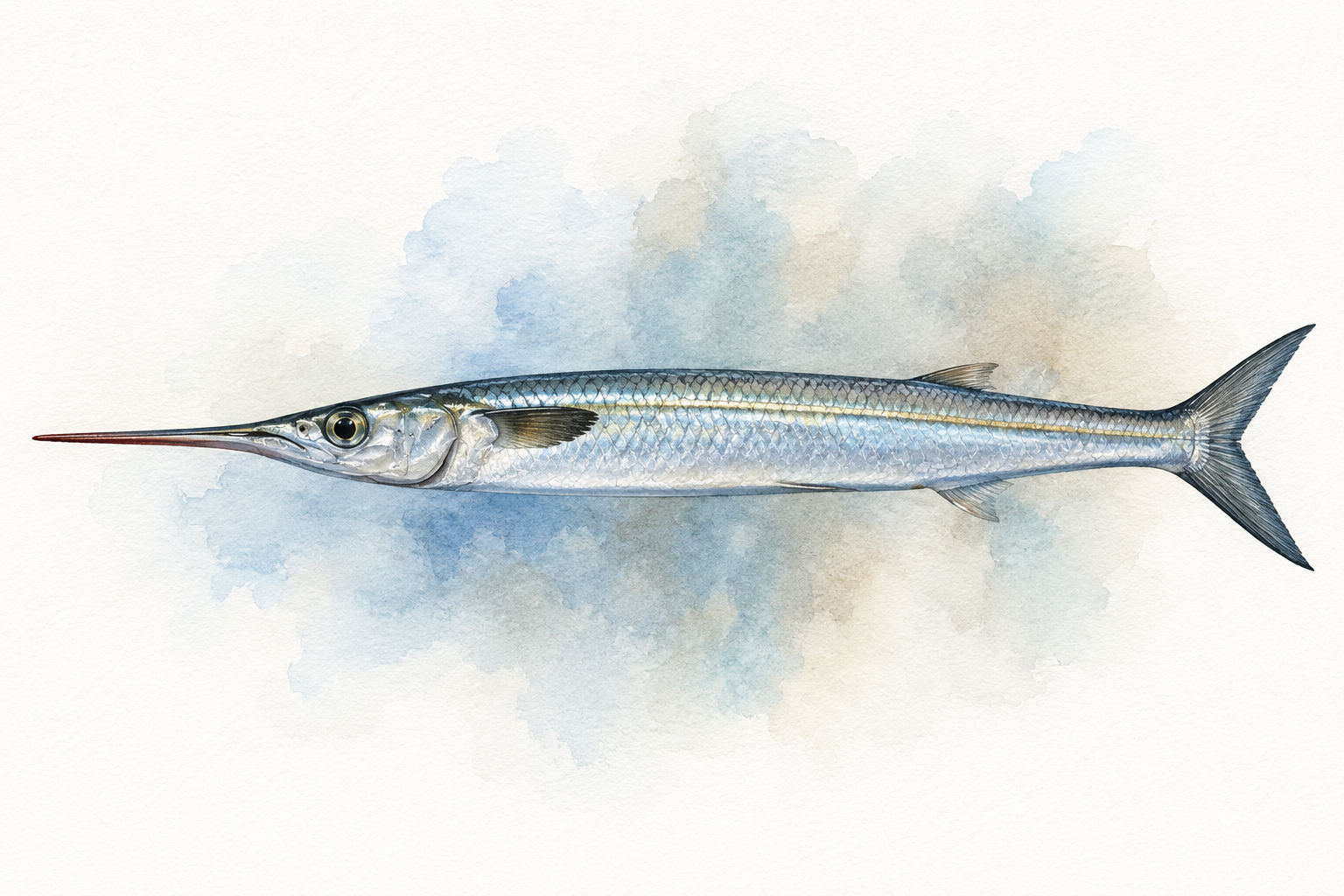
Eastern Sea Garfish are one of the most underrated sportfish available to Australian anglers. Most are familiar with them as excellent table fare, but relatively few anglers deliberately target them despite the fact they can provide consistent action, require a high degree of finesse and are available across much of the east coast for much of the year.
Unlike species that hunt baitfish or crustaceans around structure, Eastern Sea Garfish spend much of their lives feeding in the upper water column. Their diet consists largely of planktonic organisms, algae, seagrass-associated material and tiny drifting food particles. This feeding behaviour influences every aspect of how they are caught. The tactics used to catch bream, whiting or flathead rarely translate well to garfish.
The anglers who consistently catch garfish understand one important principle: they are not targeting individual fish, they are managing schools.
A productive garfish session is usually built around attracting, holding and feeding an entire school beneath the boat or within casting range. Once that happens, catches can become remarkably consistent. Until it happens, even areas holding fish can seem lifeless.
Eastern Sea Garfish are strongly associated with seagrass systems. Large beds of ribbon weed and eelgrass found throughout bays, estuary entrances and sheltered coastal waters provide both food and protection. Most productive fisheries share the same basic ingredients:
- Healthy seagrass
- Clean water
- Moderate tidal movement
- Protected inshore habitat
This combination explains why locations such as Botany Bay, Port Hacking, Broken Bay, Moreton Bay, Lake Macquarie and Corner Inlet continue to support reliable fisheries year after year.
For anglers willing to fish lightly and patiently, garfish can provide some of the most enjoyable fishing available in sheltered waters.
Tackle and Rigs
One of the biggest mistakes made by anglers new to garfishing is using tackle designed for larger species.
Eastern Sea Garfish have relatively small mouths, feed delicately and often inspect food before committing. Heavy tackle immediately reduces effectiveness.
A typical garfish outfit consists of:
- 7–10ft light rod
- 1000–2500 size reel
- 2–6lb monofilament or braid
- Long, fine leader
Long rods offer several advantages. They improve casting distance with light floats, provide better line control when fishing surface currents and help cushion the sudden runs of fish hooked on fine-wire hooks.
Float fishing remains the most productive technique.
A traditional pencil float rig continues to outperform most alternatives because it presents bait naturally within the upper section of the water column where garfish feed.
The ideal rig generally consists of:
- Small pencil float
- Tiny split-shot sinkers
- Long trace
- Fine-wire size 10–14 hook
The objective is not to get the bait deep.
Instead, the bait should drift naturally just beneath the surface, behaving similarly to the berley particles that attracted the fish in the first place.
Hook size is critical.
Large hooks reduce hook-up rates dramatically because garfish often nip and investigate food before fully taking it. Fine-wire hooks penetrate easily and allow delicate baits to remain natural.
Many experienced garfish anglers carry several pre-rigged float setups because subtle adjustments in float size, sinker placement and bait depth can make a significant difference on difficult days.
When to Use Lures
Although bait dominates Eastern Sea Garfish fishing, lure and fly fishing can occasionally be surprisingly effective.
The key is understanding what garfish are actually feeding on.
They are not predators chasing schools of baitfish. Instead, they spend much of their time picking off tiny drifting organisms and suspended food particles.
This immediately eliminates most conventional lure approaches.
Fast retrieves, large profiles and aggressive actions generally produce poor results.
Fly fishing is by far the most effective artificial presentation.
Tiny white flies, translucent shrimp imitations and sparse plankton-style patterns can all work exceptionally well when presented within a berley trail. Many dedicated fly anglers specifically target garfish because of their willingness to feed near the surface.
The most effective technique involves:
- Establishing a berley trail
- Allowing fish to become comfortable feeding
- Presenting small flies naturally amongst the berley
The take is often subtle.
Rather than aggressive strikes, garfish typically sip the fly in the same way they take bread fragments.
Micro soft plastics can occasionally work around actively feeding schools, particularly when fish are feeding on small bait organisms near the surface.
However, even among specialist anglers, bait fishing remains substantially more productive and reliable.
When conditions are difficult, there is rarely a practical advantage in choosing lures over bait.
Time of Day
Eastern Sea Garfish can be caught throughout the day, but their feeding behaviour often becomes more predictable during periods of lower light and reduced surface disturbance.
Early mornings consistently produce excellent fishing.
At first light, schools often move confidently through shallow weed-bed systems and begin feeding actively before boat traffic increases. Calm conditions also make it easier to spot surface activity and maintain an effective berley trail.
Late afternoons can be equally productive.
As light levels fall, fish commonly move higher in the water column and become less cautious. Many experienced garfish anglers specifically target the final few hours before sunset.
Unlike many estuary species, garfish are not strictly dawn-and-dusk feeders.
If conditions are favourable, fish may remain active throughout the day.
The more important factors are often:
- Water clarity
- Berley effectiveness
- Tidal movement
- Surface conditions
On calm winter days, excellent fishing can continue from morning until afternoon with little change in feeding activity.
Night fishing can also produce excellent results around illuminated jetties, marina structures and harbour lights where plankton accumulates and attracts feeding schools.
Common Mistakes
Insufficient Berley
Most unsuccessful garfish sessions can be traced back to poor berley use.
Many anglers either use too little berley or apply it inconsistently.
Garfish respond best to a steady, continuous trail rather than occasional large handfuls.
The objective is to create an ongoing stream of fine particles that keeps fish feeding and interested.
Once the trail stops, the school often disperses.
Fishing Too Deep
Anglers accustomed to targeting bottom-dwelling species frequently place their bait well below the feeding zone.
Eastern Sea Garfish spend much of their feeding time near the surface.
If the bait is sitting several metres below the fish, it may never be noticed.
Most productive presentations occur within the upper metre of the water column.
Using Oversized Baits
Large bait pieces dramatically reduce hook-up rates.
A garfish’s elongated beak creates a very specific feeding style.
Small bait fragments are easier for fish to consume confidently and generally result in cleaner hook-ups.
A bait no larger than a fingernail is often sufficient.
Ignoring Water Clarity
Few factors influence garfish fishing more than water clarity.
Many anglers continue fishing areas affected by runoff, sediment or algae blooms despite obvious reductions in visibility.
Clean water nearly always fishes better.
If visibility is poor, relocating to clearer water frequently produces immediate improvements.
Chasing Fish Instead of Holding Fish
A common mistake is constantly moving in search of active schools.
Experienced garfish anglers often do the opposite.
They locate productive habitat, establish a berley trail and allow fish to come to them.
Because schools can move continuously through an area, patience often produces better results than constant relocation.
Excessive Noise
Garfish can be surprisingly sensitive in shallow water.
Repeated anchor adjustments, dropped objects and excessive movement around the boat can cause schools to move away from otherwise productive areas.
Quiet, deliberate boat handling often improves catch rates.
Bait Fishing Applications
Why Eastern Sea Garfish Make Excellent Bait
Eastern Sea Garfish are one of Australia’s most versatile natural baitfish because they appeal to an exceptionally wide range of predatory species. Their long, slender profile closely matches the baitfish regularly hunted by kingfish, mackerel, tuna, mulloway and snapper, while their bright silver flanks produce a natural flash that remains highly visible in clear water. Unlike many softer baitfish, garfish have relatively firm flesh and tough skin, allowing them to stay intact through repeated casts, prolonged drifts and persistent attacks from smaller pickers.
As live bait, garfish are surprisingly resilient when handled carefully. They swim naturally near the surface, remain active for extended periods in healthy live bait tanks and produce the erratic swimming action that often triggers strikes from visual predators. As dead bait, their natural oils and streamlined profile continue to make them effective whether fished whole, butterflied or cut into strips. Because garfish are a common forage species throughout Australia’s sheltered coastal waters, predators instinctively recognise them as familiar prey rather than an opportunistic food source.
Best Target Species
Few natural baits are as versatile as a fresh garfish. Live garfish are particularly effective for yellowtail kingfish, cobia, Spanish and spotted mackerel, longtail tuna, school tuna and large mulloway, especially when these fish are actively feeding on surface bait schools. Their natural swimming action and slender profile make them an ideal match for predators accustomed to chasing fast-moving baitfish.
Whole dead garfish have long been regarded as one of the premier natural baits for snapper throughout southern Australia. Fished unweighted or with minimal lead, they drift naturally over reef and rubble while releasing a steady scent trail that larger snapper readily detect. They are equally effective for gummy sharks, school sharks and other reef predators.
Butterflied garfish also excel when targeting mulloway and snapper over broken reef, while strip baits cut from larger specimens produce durable offerings for flathead, gummy sharks and other bottom-feeding species. Although garfish are exceptionally versatile, bulkier live baits such as mullet or slimy mackerel may be a better choice when specifically targeting trophy-sized estuary mulloway or very large pelagic predators.
Live Bait Techniques
Live garfish perform best when allowed to swim freely with minimal restriction. For drifting or free-lining, a single fine-gauge hook lightly pinned through the nose allows the bait to maintain a natural swimming action and keeps it facing into the current. This presentation is highly effective around rocky headlands, bait schools, harbour markers and offshore reefs where kingfish, tuna and mackerel patrol the upper water column.
Shoulder-hooking the bait immediately behind the head provides a stronger attachment point when slow trolling or fishing around heavy structure, while still allowing the fish to swim naturally. Some anglers also favour a lightly back-hooked presentation when drifting live baits beneath balloons, as the bait tends to swim downward and away from the float, covering more of the water column.
Live garfish are generally best suited to surface and mid-water presentations. Downrigging is used less frequently than with deeper-swimming baitfish, although it can be productive when targeting suspended kingfish holding well below surface bait schools. Regardless of the presentation, matching hook size to the bait is essential. Oversized hooks quickly tire garfish and significantly reduce their effectiveness.
Dead Bait Applications
Fresh dead garfish remain one of Australia’s most productive natural baits for both offshore and inshore fishing. Whole garfish are widely used when targeting snapper, mulloway, cobia, sharks and large reef species, particularly when fished on lightly weighted rigs that allow the bait to drift naturally with the current.
Butterflied garfish expose additional flesh while retaining the bait’s full profile, creating extra flash and scent that can be particularly effective over reef systems. This presentation is a favourite among experienced snapper anglers, especially when fishing slow drifts over broken ground.
Fillets and tapered strip baits also produce durable offerings for flathead, gummy sharks and reef species that regularly strip softer baits from the hook. Fresh garfish generally outperform frozen bait due to their firmer flesh, brighter scales and higher natural oil content, although carefully frozen fish remain excellent backup bait throughout the year.
Preparing the Bait
If garfish are intended for live bait, minimise handling and transfer them into a well-aerated live bait tank as quickly as possible. Excessive handling removes scales and protective slime, shortening bait life considerably.
When preparing dead bait, place garfish onto ice immediately after capture to maintain firm flesh and preserve their natural silver colouring. Fresh garfish should never be left lying in the sun or soaking in freshwater, as both rapidly reduce bait quality.
Butterflying is best carried out with a sharp knife while leaving the two fillets attached along the back. This creates maximum flash without compromising durability. Strip baits should be cut with the grain of the flesh to improve hook retention during repeated casts and prolonged soak times.
Transport and Storage
Healthy live garfish require clean, well-oxygenated seawater and benefit from circular live bait tanks where they can swim continuously without injuring themselves against corners. Avoid overcrowding, particularly during warmer months when dissolved oxygen levels decline more rapidly.
For dead bait, an ice slurry is the preferred short-term storage method, rapidly chilling the fish while preserving flesh quality. For longer storage, vacuum sealing individual garfish or small bait packs before freezing significantly reduces freezer burn and helps retain their natural oils. Frozen garfish should be thawed slowly under refrigeration or in a chilled esky rather than being exposed to direct sunlight before use.
Collecting Bait
Eastern Sea Garfish are commonly collected specifically for bait using light float tackle baited with small pieces of prawn, dough or fish, supported by a steady bread-based berley trail that keeps schools feeding within casting range. This traditional approach remains the most effective method for collecting healthy live baits with minimal damage.
Fine-wire bait jigs may also take garfish when fish are tightly schooled, although float fishing generally produces higher-quality live baits. Productive collection areas include sheltered bays, marina edges, seagrass flats, harbour foreshores and calm ocean washes where schools regularly feed near the surface. Dawn and dusk often provide the most consistent results, particularly during periods of light wind and clear water.
Collection methods and legal equipment vary between Australian states and territories. Always check current recreational fishing regulations before collecting bait.
Practical Advice
Many anglers underestimate how much bait size influences success. Smaller garfish are often ideal for school-sized kingfish, tuna and mackerel, while larger specimens make excellent offerings for trophy snapper, cobia and mulloway. Matching the bait to the predator’s preferred prey size generally produces better results than automatically fishing the biggest garfish available.
Keeping live garfish healthy is often the difference between an average session and an exceptional one. Good water quality, adequate aeration and gentle handling allow them to remain active for hours, producing the natural swimming action that consistently attracts predatory fish. Replace tired or sluggish live baits promptly rather than hoping they will recover.
When fishing dead garfish, freshness consistently outweighs elaborate rigging. A freshly caught garfish fished whole or butterflied almost always outperforms older frozen bait because it retains more natural oils, firmer flesh and brighter scales. Many experienced offshore anglers deliberately spend time collecting garfish before heading wider, knowing that investing an extra half-hour catching premium bait often results in significantly better fishing for the remainder of the day.
The Bottom Line
Eastern Sea Garfish reward precision far more than power.
They are a species built around subtle presentations, fine tackle and an understanding of how schools behave around seagrass habitats. Anglers who approach them using the same tactics employed for bream, flathead or snapper often struggle. Those who adapt quickly discover just how consistent garfish fishing can be.
The most reliable formula is remarkably simple:
Find healthy seagrass habitat, locate clean water, establish a continuous berley trail and fish small baits beneath a lightly weighted float.
Everything else is refinement.
Water clarity matters more than depth. Berley matters more than bait choice. Presentation matters more than tackle strength.
Many anglers overlook garfish because of their modest size, but anyone who has watched a large school appear beneath a boat and feed confidently in a berley trail understands their appeal. They provide consistent action, require skill to catch efficiently and produce some of the finest table fare available from Australia’s inshore waters.
For anglers fishing the bays, harbours and estuaries of eastern Australia, Eastern Sea Garfish remain one of the most accessible and dependable species available throughout much of the year. The anglers who learn to read seagrass edges, manage a berley trail and present small baits naturally rarely struggle to find them.