
Introduction
Blacklip abalone are one of Australia’s most prized recreational seafood species and have long been regarded as the benchmark for premium shellfish. Unlike most species featured in Oz Fish & Game, blacklip abalone are not caught with rods, reels or traps. Instead, they are carefully collected by divers who search rocky reefs and kelp-covered coastlines for mature specimens.
Their combination of exceptional table quality, challenging collection methods and tightly regulated fisheries has made abalone harvesting a rewarding pursuit for experienced recreational divers. Success depends less on luck than on understanding reef habitat, sea conditions and safe diving practices. Reading the coastline, timing your dive around suitable weather and knowing where abalone naturally occur will generally have a greater influence on success than time spent in the water.
Identification
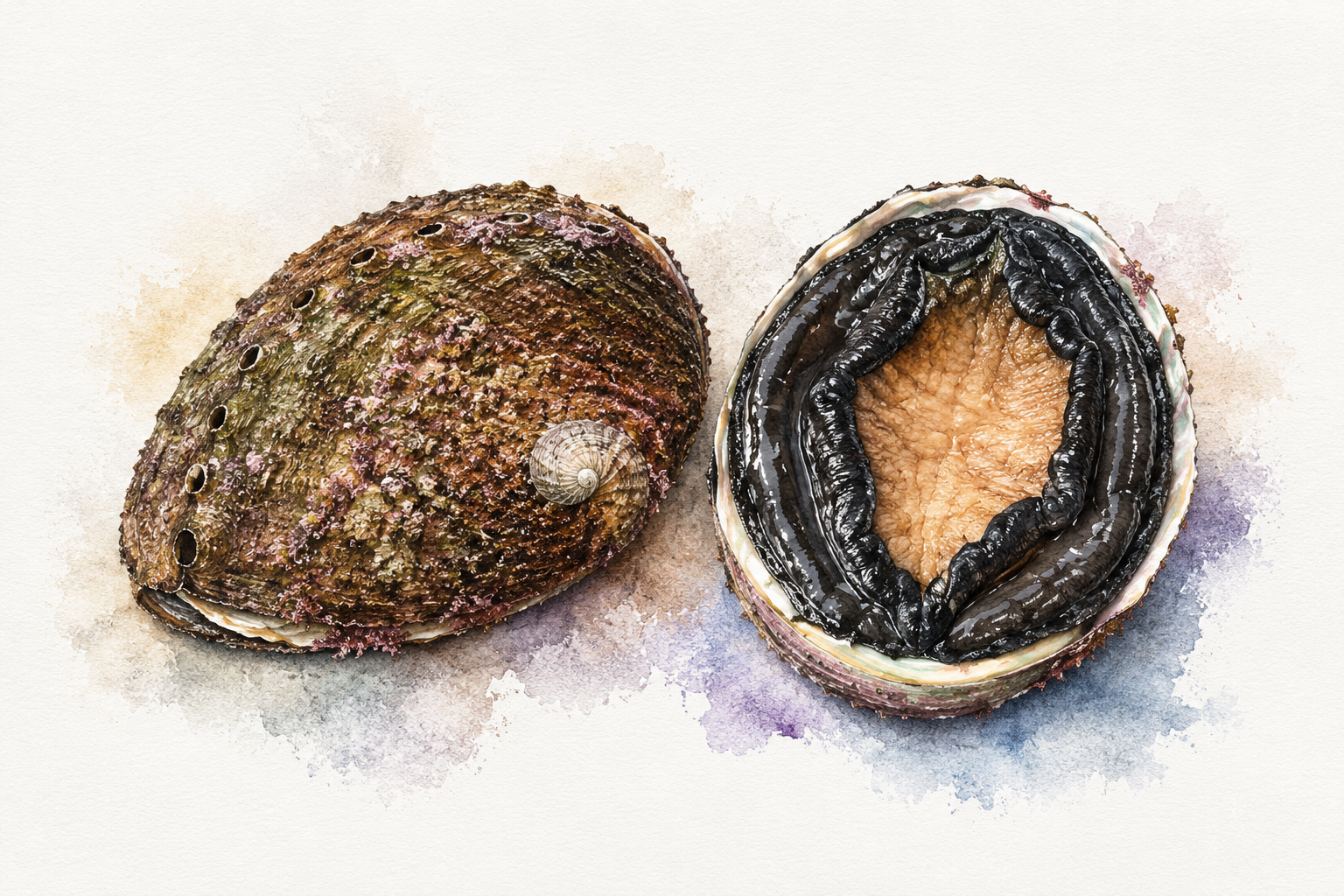
Blacklip abalone are easily recognised by their thick oval shell and the distinctive black edge running around the underside of the shell, which gives the species its common name. The upper shell is rough and heavily sculptured, usually displaying shades of reddish-brown, olive, green and grey that provide excellent camouflage against algae-covered reefs.
Along one side of the shell is a row of raised respiratory pores, with only the outermost holes remaining open in mature animals. The muscular foot is large and extremely powerful, allowing the abalone to cling tightly to rock surfaces when disturbed.
In southern Australia, blacklip abalone are sometimes confused with greenlip abalone (Haliotis laevigata). Greenlip abalone generally have a smoother shell with a pale green margin beneath the shell edge and are more common across South Australia and southern Western Australia. Blacklip abalone tend to favour higher-energy rocky coastlines and kelp reefs.
Habitat
Blacklip abalone inhabit temperate rocky reefs throughout southern Australia, where solid rock provides secure attachment surfaces and abundant marine algae provide a constant food source. Productive areas typically include wave-washed headlands, offshore reefs, submerged rock platforms and extensive kelp forests.
Although they may occasionally occur in sheltered locations, larger abalone are generally associated with healthy reef systems supporting dense kelp and other drifting seaweeds. Crevices, ledges and the undersides of boulders offer protection from predators while still allowing access to moving water that delivers oxygen and food.
Water clarity is particularly important for recreational collectors. Clear conditions allow divers to identify legal-sized abalone efficiently while reducing time spent underwater. Conversely, surge, suspended sand and poor visibility can make even productive reefs difficult and potentially dangerous to search.
Collection Equipment
Collecting blacklip abalone requires relatively simple equipment, but every item should be selected with safety and efficiency in mind.
A well-fitting mask, snorkel or scuba equipment (where permitted), quality fins and an exposure suit appropriate for local water temperatures form the foundation of any collection setup. Gloves improve grip on slippery rocks while protecting hands from cuts, barnacles and sharp reef edges.
An abalone iron or purpose-built abalone knife is essential. These tools have a short, flat blade designed to slide beneath the shell and detach the animal before it has time to clamp firmly onto the rock. A catch bag or mesh collection bag allows harvested abalone to be stored securely while leaving both hands free during the dive.
Divers should also carry any legally required measuring device to ensure every retained abalone meets the applicable minimum size before it is placed into the catch bag.
Collection Methods
Unlike many shellfish, blacklip abalone must usually be removed quickly and cleanly. Once disturbed, they react by gripping the rock with tremendous force, making removal extremely difficult without damaging the animal or surrounding habitat.
Successful collectors generally move slowly across the reef, scanning beneath kelp fronds, around ledges and inside shallow crevices where abalone naturally shelter. As soon as a legal specimen is located, the abalone iron is inserted beneath the shell with a swift, decisive motion to separate the muscular foot from the rock before it has time to tighten its grip.
Patience is often rewarded. Rather than searching randomly, experienced divers carefully work productive reef sections and thoroughly inspect likely habitat before moving on.
Collectors should avoid unnecessary damage to reef communities and leave undersized abalone undisturbed. Good technique results in cleaner harvesting, healthier reefs and a more sustainable fishery.
Best Collection Conditions
Sea conditions often determine whether an abalone trip is productive—or whether it should be postponed altogether.
Periods of low swell, light winds and excellent underwater visibility provide the safest and most efficient conditions. Calm seas make it easier to enter and exit the water, reduce diver fatigue and allow more time to search productive reef structure.
Low tide often exposes additional reef and can shorten the swim to productive collection areas, although many excellent reefs remain accessible throughout the tidal cycle. More important than tide height is choosing a period when surge is minimal and visibility remains high.
After extended periods of rough weather, suspended sediment and kelp debris may reduce visibility significantly. Waiting for several days of settled weather often produces far better diving conditions.
Time of Day
Unlike many recreational fishing pursuits, time of day has relatively little influence on blacklip abalone themselves.
Instead, collectors generally plan trips around daylight, visibility and sea conditions. Mid-morning through early afternoon often provides the best combination of sunlight and underwater visibility, making legal-sized abalone easier to locate while improving overall diver safety.
Weather forecasts, swell predictions and local conditions are usually far more important than the time shown on the clock.
Common Collection Mistakes
One of the most common mistakes is attempting to collect abalone in marginal sea conditions. Heavy swell, poor visibility and strong surge greatly increase the risks associated with rock entries and underwater work while reducing collection success.
Another frequent mistake is rushing the removal process. Hesitation allows the abalone to clamp tightly onto the rock, making clean removal much more difficult and increasing the likelihood of damaging the shell or surrounding habitat.
Some inexperienced collectors also spend too much time searching unsuitable habitat. Sand, loose rubble and weed-covered sediment rarely hold significant numbers of blacklip abalone compared with solid rocky reef supporting healthy kelp growth.
Finally, failing to measure every retained specimen can result in accidental breaches of fisheries regulations. Even experienced collectors should measure doubtful specimens before placing them in the catch bag.
Eating Quality & Preparation
Blacklip abalone are widely regarded as one of Australia’s finest seafood species, prized for their sweet flavour and firm texture. Proper preparation is essential to achieve the best eating quality.
After removal from the shell, the dark gut and frill are trimmed away before the flesh is thoroughly cleaned. Many anglers lightly tenderise the meat before cooking to improve texture, taking care not to overwork it. Abalone can be pan-fried, grilled, crumbed or added to stir-fries, but it is generally best cooked quickly over high heat or slowly in braised dishes. Overcooking is the most common cause of tough, rubbery meat.
Freshly harvested abalone should be kept cool and processed as soon as practical. If freezing, vacuum sealing helps maintain quality and reduces freezer burn.
Conservation, Stewardship & Responsible Harvest
Blacklip abalone support valuable commercial and recreational fisheries throughout southern Australia and are carefully managed to ensure long-term sustainability.
Responsible collectors should take only what they intend to use, avoid unnecessary damage to reef habitat and leave undersized abalone undisturbed. Careful finning and buoyancy control minimise accidental impacts on fragile kelp forests and associated marine life.
Because regulations vary between jurisdictions, collectors should always familiarise themselves with local size limits, possession limits, seasonal closures, licensing requirements and marine protected areas before entering the water.
Safety Considerations
Abalone diving carries inherent risks and should never be underestimated. Many collection areas are located on exposed rocky coastlines where swell, surge and slippery rocks create hazardous conditions even on seemingly calm days.
Never turn your back on the ocean while entering or exiting through rock platforms, and avoid diving alone whenever possible. A dive buddy provides valuable assistance in emergencies and improves overall safety.
Strong currents, boat traffic and marine life should also be considered before entering the water. Divers should monitor weather forecasts closely and abandon the trip if conditions deteriorate.
Regulations Statement
Fishing regulations can vary between Australian states, territories and waterways. Size limits, bag limits, possession rules, collection limits, gear restrictions, protected areas and access restrictions may apply. Always check with your local fisheries department before fishing, collecting, retaining or relocating any species.
The Bottom Line
Blacklip abalone offer one of Australia’s most rewarding forms of seafood gathering, combining exceptional table quality with the challenge of safe, skilful diving. Success comes from understanding productive reef habitat, choosing suitable sea conditions and harvesting responsibly. By putting safety first and respecting fisheries regulations, recreational collectors can continue to enjoy this iconic southern Australian species while helping preserve healthy abalone populations for future generations.