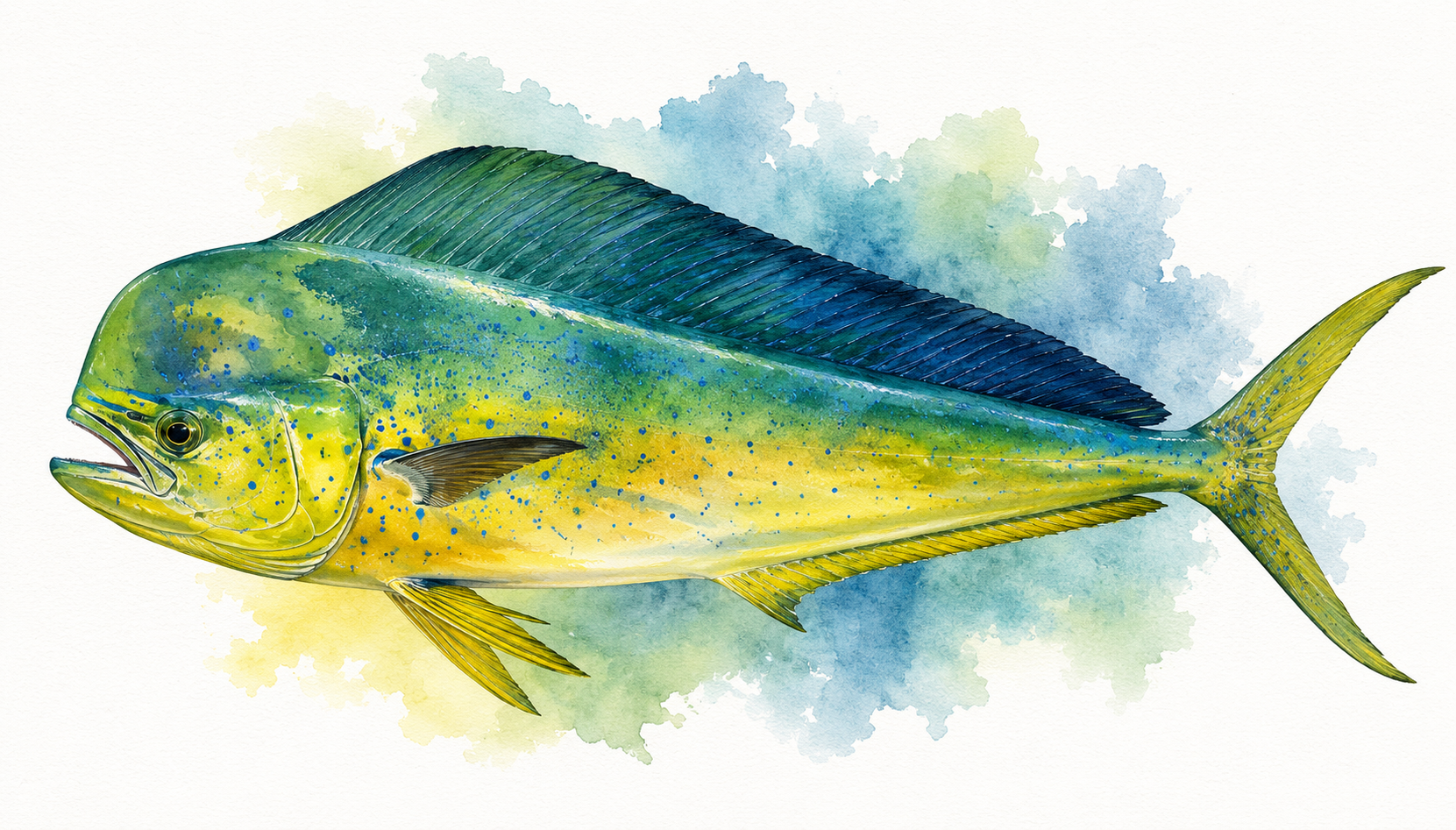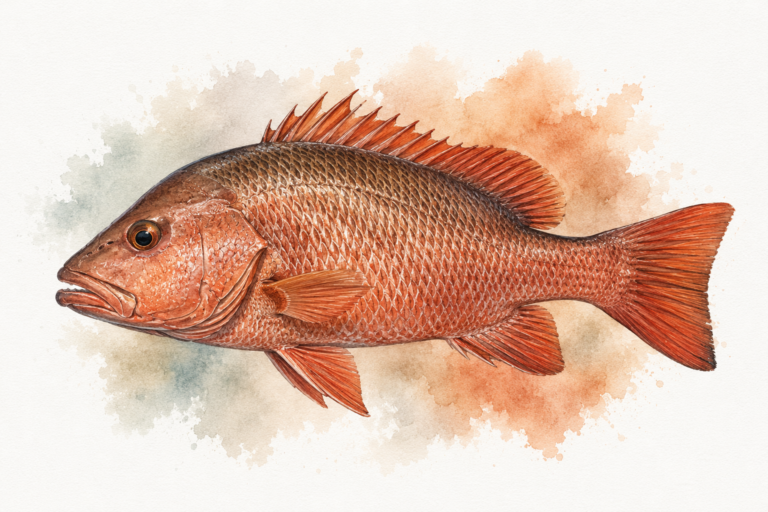
Golden Perch (Yellowbelly)
Scientific name: Macquaria ambigua
Common names: Golden perch, Yellowbelly, Yellowbelly perch
Average size: 1–4 kg
Trophy size: 8 kg+
Activity pattern: Structure-oriented freshwater ambush predator, highly influenced by water temperature and river flow
Distribution and key locations (Australia)
Golden perch are one of Australia’s most iconic freshwater sportfish and occur throughout much of the Murray-Darling Basin and several northern inland river systems. They are renowned for their aggressive strikes, powerful fights, and willingness to take both bait and lures.
Prime regions
NSW: Murray River, Murrumbidgee River, Darling River, impoundments
VIC: Murray River, Goulburn River, Lake Eildon
SA: Lower Murray River and connected systems
QLD: Border rivers, inland impoundments and western river systems
NT: Lake-based stocked fisheries and some northern catchments
High-percentage areas
- River bends and outside banks
- Submerged timber and snags
- Rock bars and rocky points
- Creek junctions
- Deep holes adjacent to shallow flats
- Dam points and submerged structure
Golden perch are rarely far from cover. If there is timber, rock, or current-breaking structure, there is a good chance yellowbelly are nearby.
Habitat features to look for
Golden perch are classic ambush predators that use structure and low light to intercept prey.
Key structure
- Fallen trees and log jams
- Submerged timber
- Rock walls and boulder fields
- Undercut banks
- Bridge pylons
- Weed edges in impoundments
Food sources
- Yabbies
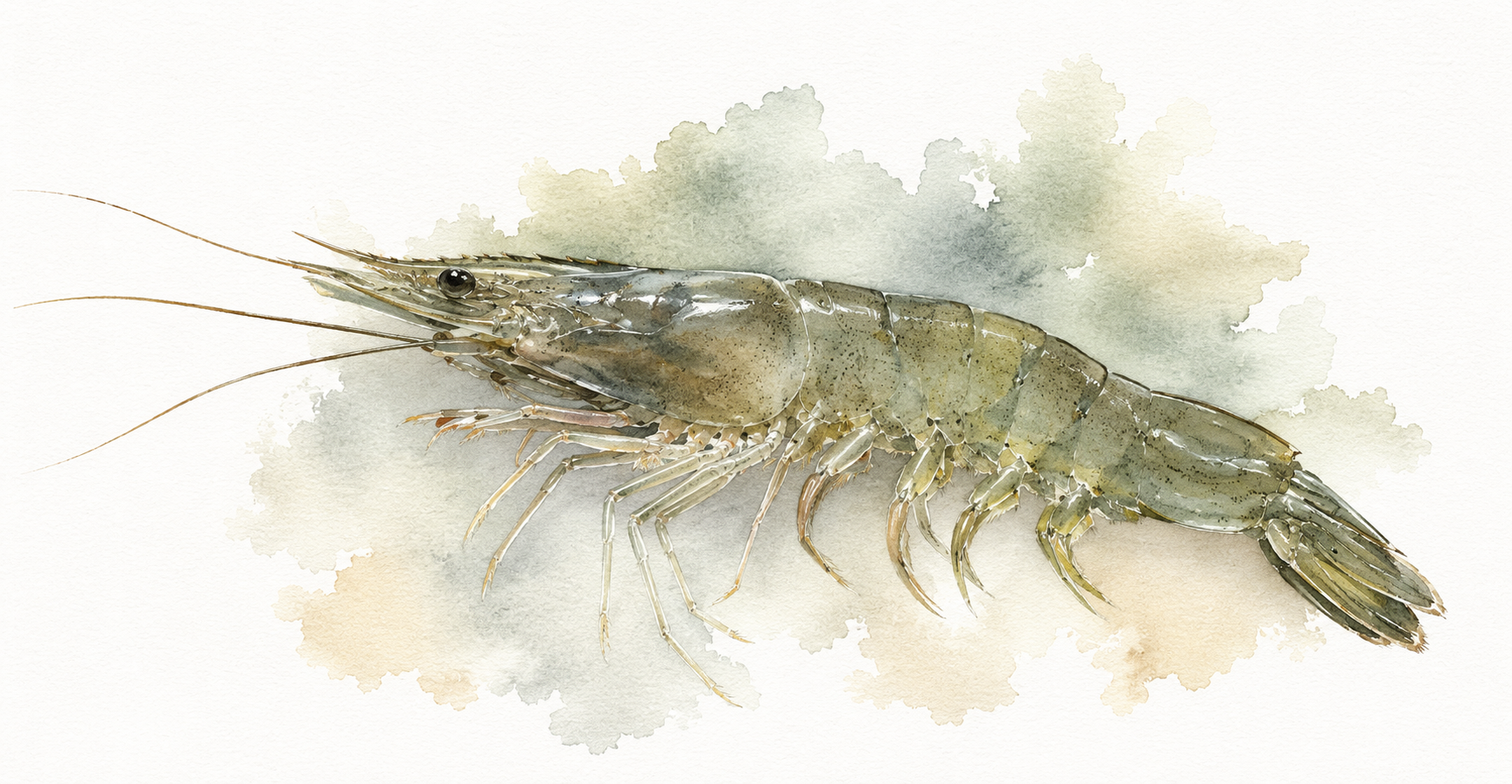
- Shrimp
- Small baitfish
- Worms
- Aquatic insects
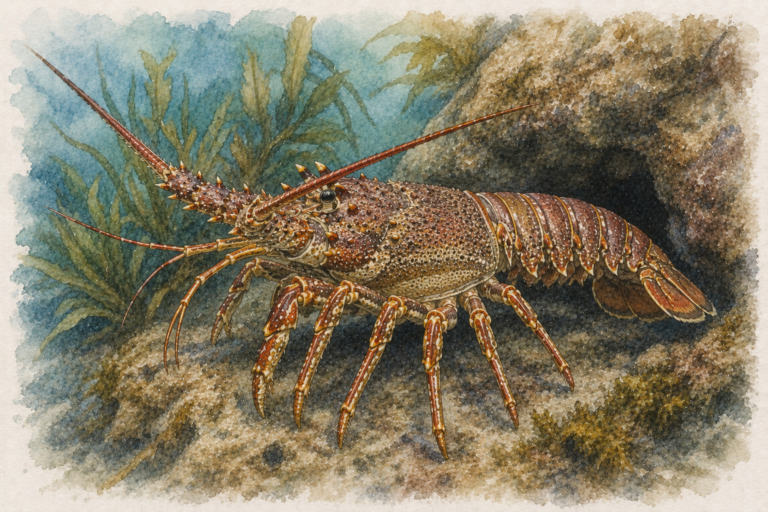
- Freshwater crayfish
Water conditions
- Slightly stained water often fishes best
- Rising water temperatures increase activity
- Flow events can trigger feeding
- Stable water levels improve consistency
Find structure, warm water, and food — and you’ll usually find yellowbelly.
Seasonal patterns
Golden perch become increasingly active as water temperatures rise.
Best seasons
Spring: Excellent as fish become active after winter
Summer: Peak fishing period across most regions
Autumn: Consistent fishing before water cools
Winter: Slower but still possible in deeper water
Seasonal notes
- Spring flow events often trigger aggressive feeding
- Summer sees fish spread throughout rivers and dams
- Large fish often hold deeper during extreme heat
- Cooling autumn temperatures can produce trophy fish
Water temperature is often more important than calendar date.
Weather and conditions (critical)
Ideal conditions
- Stable warming weather
- Light winds
- Slightly coloured water
- Recent flow increases in rivers
Best fishing conditions
- Warm afternoons
- Low-light periods
- Rising river levels
- Post-rain runoff carrying food
Avoid
- Extremely cold water
- Sudden temperature drops
- Rapidly falling water levels
- Heavy flooding with excessive debris
Golden perch often switch on dramatically when river systems receive fresh flow.
Bait – what actually works
Golden perch are opportunistic feeders and readily take natural baits.
Top natural baits
- Live shrimp
- Yabbies
- Worms
- Scrub worms
- Small baitfish (where legal)
- Freshwater prawns
- Cheese (surprisingly effective in some systems)
Bait rules
- Fresh live bait usually outperforms dead bait
- Present bait close to structure
- Fish slowly and patiently
- Large fish often favour larger baits
Many trophy yellowbelly are caught by anglers willing to sit patiently beside quality structure.
Tackle and rigs
Golden perch fight hard around timber and structure, making balanced tackle important.
Rod and reel
Rod: 5–7 ft baitcast or spin rod
Reel: 2500–4000 spin reel or low-profile baitcaster
Line: 10–20 lb braid
Leader: 12–30 lb fluorocarbon or mono
Terminal gear
- Wide-gap bait hooks
- Running sinker rigs
- Jigheads
- Weedless hooks
- Small sinkers for river fishing
Common rigs
- Running sinker rig
- Paternoster rig
- Unweighted live shrimp rig
- Weedless soft plastic setup
- Vertical jigging presentations
Strong leaders help prevent losses around timber.
Lures (when and why)
Golden perch are one of Australia’s most reliable freshwater lure targets.
Effective lures
- Spinnerbaits
- Lipless crankbaits
- Deep-diving hardbodies
- Soft plastics
- Chatterbaits
- Bladed jigs
- Vibration lures
When to use lures
- Actively searching new water
- Fishing snag-lined banks
- Covering large impoundments
- During warm-water feeding periods
Retrieval style
- Slow rolling spinnerbaits
- Stop-start retrieves
- Bottom hopping soft plastics
- Bumping hardbodies through timber
Most strikes occur immediately after a lure contacts structure.
Berley and attractants
While not commonly used, attractants can improve bait fishing success.
Effective attractants
- Shrimp-based scents
- Crayfish scents
- Fish oils
- Commercial freshwater attractants
Key principle
Fish naturally and place baits where yellowbelly expect food to appear.
Location remains far more important than scent.
Time of day
Best: Dawn and dusk
Daytime: Productive around deep timber, shaded banks, and submerged structure
Night: Can be excellent during warm weather and stable conditions
Golden perch frequently move shallower during low-light periods.
Common mistakes
- Fishing away from structure
- Retrieving lures too quickly
- Using leaders that are too light
- Ignoring water temperature
- Failing to contact timber and snags
- Moving spots too frequently
Many anglers avoid snags, while experienced yellowbelly anglers deliberately fish as close to them as possible.
Final rule of golden perch fishing
Find structure, warm water, and food — then fish slowly and methodically.
Consistent golden perch anglers focus on timber, rock, and current-breaking structure. Whether using bait or lures, success usually comes from putting your presentation where yellowbelly live rather than hoping they move to find it.