

TACKLE AND RIGS
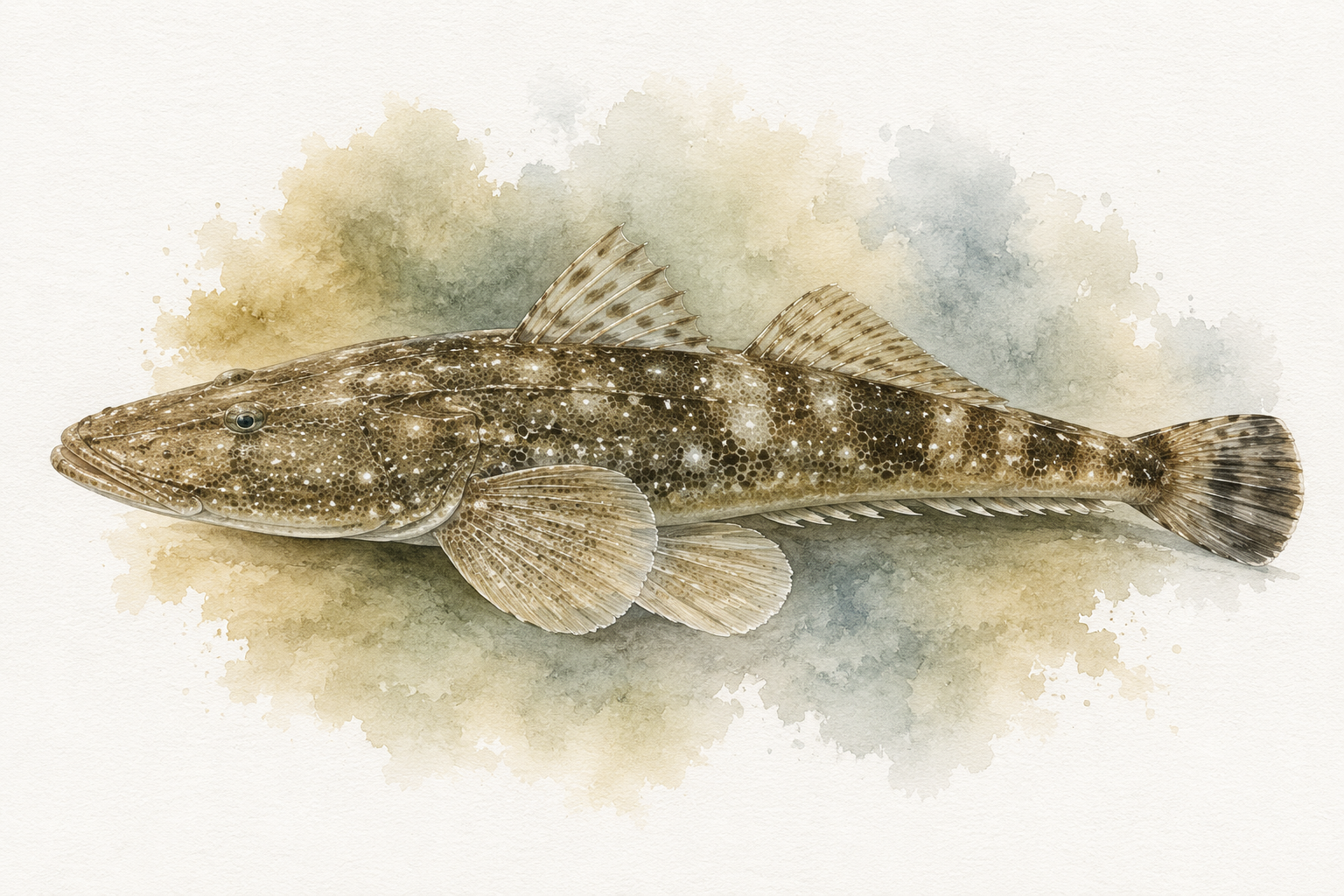
Dusky flathead are among Australia’s most popular light-tackle sportfish and are ideally suited to anglers who enjoy casting lures, covering water and targeting predatory fish in shallow estuary environments. Although they rarely produce long, powerful runs, larger fish can fight surprisingly hard, particularly when hooked in shallow water or around current and structure.
A light spin outfit is ideal for most flathead fishing situations. Rods in the 2–5kg class between 6’6″ and 7′ provide the casting distance and sensitivity needed to work lures effectively while still retaining enough power to control larger fish. Reels in the 2000–3000 size range pair well with 6–12lb braid, while 8–20lb fluorocarbon leaders offer a practical balance between abrasion resistance and lure presentation.
Terminal tackle is generally simple. Jigheads remain the most popular option for soft-plastic fishing, while worm hooks, small swivels and running sinkers are commonly used when bait fishing. Long-shank hooks continue to be a reliable choice when presenting natural baits close to the bottom.
Several rig styles consistently account for quality flathead. Soft-plastic jighead rigs remain the benchmark for covering sand flats, drains and channel edges, while running sinker rigs and unweighted live-bait presentations are highly effective when fishing natural baits. Paddle-tail and grub-style soft plastics are particularly productive because they create vibration and movement while maintaining close contact with the bottom.
Unlike more cautious estuary species such as bream or whiting, flathead are generally less leader-shy and are often willing to attack aggressively presented offerings. Success usually comes from keeping presentations close to the bottom and ensuring lures or baits move naturally through likely ambush zones.
WHEN TO USE LURES
Dusky flathead are widely regarded as one of Australia’s premier lure-fishing species. Their aggressive feeding behaviour and reliance on ambush tactics make them highly responsive to artificial presentations that imitate injured baitfish, prawns and other prey.
Lures are particularly effective when drifting sand flats and channel edges, where anglers can efficiently cover large areas in search of active fish. Working drains during falling tides is another high-percentage tactic, as bait is funnelled from shallow flats into deeper water where flathead often position themselves to ambush passing prey.
Artificial lures also excel when searching for scattered fish. Unlike some species that school tightly, flathead are frequently spread across extensive areas of productive habitat. Covering water with soft plastics, hardbody minnows or vibration lures allows anglers to locate actively feeding fish far more efficiently than static bait fishing.
Soft plastics, including paddle tails and curl-tail grubs, remain among the most productive lure choices. Hardbody minnows and vibration blades are also highly effective when worked around drop-offs, drains and current lines.
Retrieval style is critical. Slow hops along the bottom, pause-and-drop retrieves and occasional sharp lifts consistently produce results. Many strikes occur as the lure falls back toward the bottom, making it important to maintain contact throughout the retrieve and remain alert for subtle bites.
TIME OF DAY
Dusky flathead can be caught throughout the day, but certain periods consistently produce higher catch rates. Dawn and dusk remain prime feeding windows, particularly during warmer months when baitfish and prawns are most active.
Unlike some estuary predators, flathead often continue feeding well during daylight hours provided current and bait are present. Moving water creates feeding opportunities by concentrating prey and forcing it past waiting fish positioned along channels, drains and drop-offs.
Night fishing can also be productive, particularly around artificial lights, bridge structures and draining flats where bait accumulates after dark. In many systems, flathead will actively hunt throughout the night when food sources are readily available.
Understanding how tidal movement influences bait distribution is often more important than focusing solely on the clock. Wherever bait is forced through predictable funnel points, flathead are rarely far away.
COMMON MISTAKES
Many flathead anglers unknowingly reduce their success by overlooking a handful of simple but important fundamentals. One of the most common mistakes is fishing too far off the bottom. Flathead spend much of their time lying on the substrate waiting to ambush prey, and presentations that pass above the strike zone are frequently ignored.
Retrieving lures too quickly is another common error. While flathead are aggressive predators, they often respond best to slower presentations that maintain regular contact with the bottom and allow fish sufficient time to react.
Many anglers also overlook the importance of falling tides. Draining flats create natural feeding opportunities by funnelling bait through predictable channels and drains, often concentrating fish into relatively small areas. Ignoring these locations can mean missing some of the most productive bite periods available.
Using oversized sinkers can reduce presentation quality, while remaining in unproductive water for too long often limits opportunities. Flathead are frequently spread across extensive habitat rather than concentrated into large schools, making mobility an important part of successful fishing.
In many situations, anglers who actively cover ground and focus on likely ambush points will consistently outperform those who remain stationary.
THE BOTTOM LINE
Successful flathead fishing is built around three simple principles: fish close to the bottom, focus on current flow and target locations where bait is naturally funnelled past waiting predators.
Flathead are ambush specialists that rely on camouflage, positioning and patience rather than chasing prey over long distances. Areas such as draining flats, channel edges, drop-offs and current lines consistently produce fish because they force bait into predictable pathways.
Consistent flathead anglers spend less time waiting and more time actively searching productive structure. By covering water, maintaining bottom contact and focusing on locations where bait naturally concentrates, anglers dramatically increase their chances of finding actively feeding fish. Small improvements in positioning, presentation and understanding fish behaviour often make the difference between an average session and an exceptional one.