
Introduction
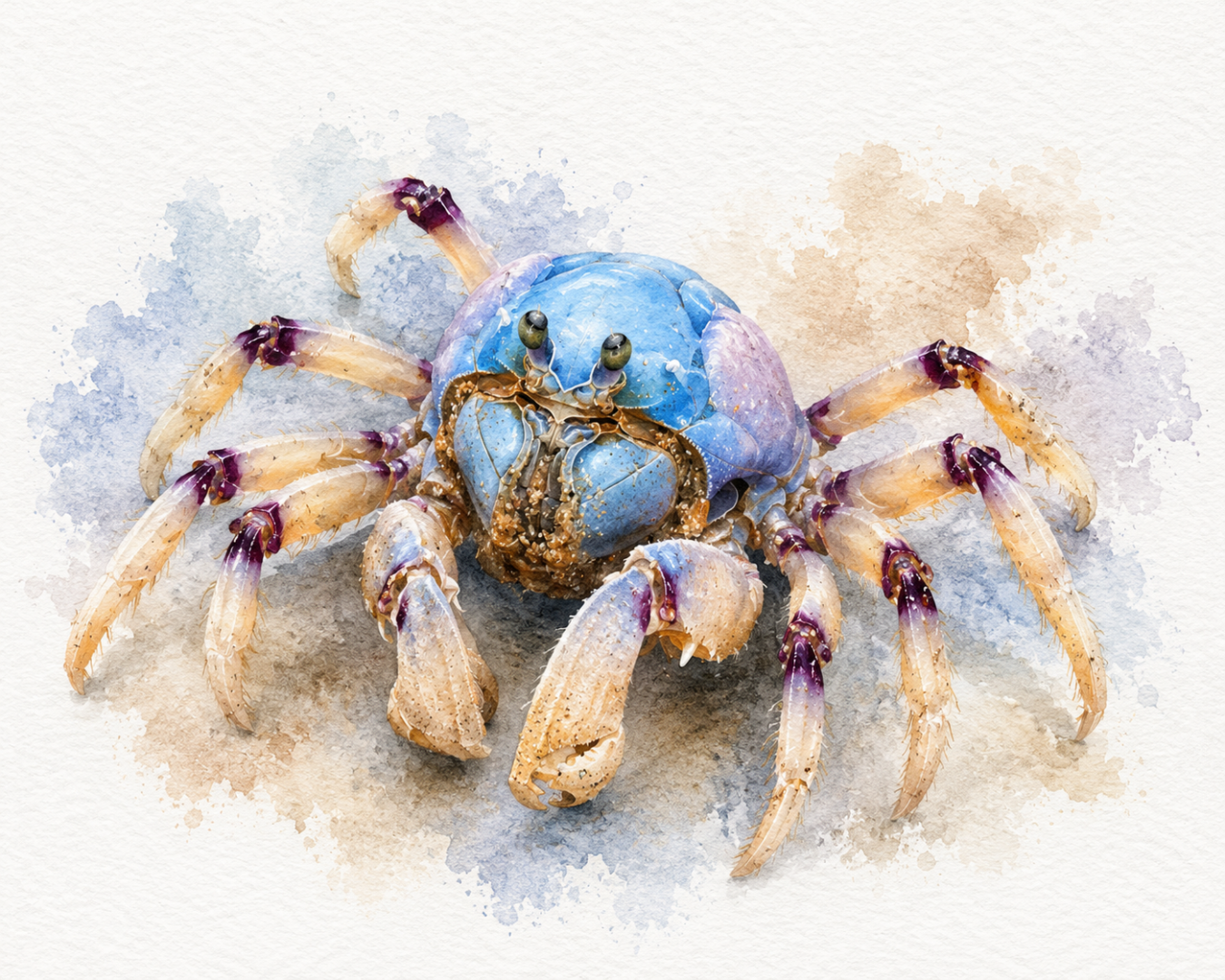
Eastern soldier crabs are one of the most underused natural estuary baits in Australia. While many anglers walk straight past the blue swarms that appear across tidal flats each low tide, experienced bait gatherers recognise them as a premium crustacean bait for fish that spend their lives hunting crabs.
Unlike ghost nippers, which spend most of their lives hidden beneath the sand, soldier crabs become highly visible when they emerge in large numbers to feed over exposed mud and sand flats. Their availability makes them an attractive option for anglers willing to collect fresh bait before a session.
The greatest strength of the eastern soldier crab is that it represents a natural food item. Bream, whiting, flathead, estuary perch and numerous other estuarine predators regularly feed on small crabs disturbed by tides, birds and currents. A live soldier crab presented naturally often requires very little movement or scent enhancement because it already resembles what these fish expect to find.
Although collecting them is straightforward once you know where to look, handling and rigging require a little care. A crab that remains alive on the hook will generally outperform one that has been crushed or allowed to dry out. Small adjustments in collection, storage and presentation can therefore make a noticeable difference to fishing success.
Sourcing the Bait
Finding eastern soldier crabs begins with understanding the type of estuary they prefer. They favour broad intertidal flats with firm sand or sandy mud, particularly where tidal creeks, mangroves and seagrass beds meet. These habitats provide abundant microscopic food while allowing the crabs to burrow safely between tides.
Timing is critical. Arrive as the tide reaches its lowest point, particularly around larger spring tides. These tides expose the greatest area of feeding ground and provide the longest opportunity to collect bait before the water returns.
Large moving “armies” are often the easiest sign to spot. Hundreds or even thousands of crabs may march across the surface in coordinated groups. Rather than chasing individual crabs, position yourself ahead of the moving school and simply pick them up by hand as they approach. This causes far less disturbance and usually results in collecting enough bait within minutes.
If no marching crabs are visible, inspect the surface for small burrow entrances. Standing quietly for a minute often allows crabs to emerge naturally. Moving slowly is important, as heavy footsteps create vibrations that send them back underground.
A small hand net can be useful where crabs move quickly over shallow pools, but most experienced anglers simply collect them by hand. Avoid excessive handling, as damaged legs and cracked shells reduce both survival and bait quality.
Only collect enough for the day’s fishing. Soldier crabs are common in suitable habitat but remain an important part of estuarine ecosystems, recycling organic material and providing food for numerous fish and bird species.
Recognising Quality
Freshly collected soldier crabs are immediately recognisable by their active behaviour. Healthy crabs continually walk, attempt to burrow and respond quickly when picked up. Sluggish individuals should generally be left behind.
Colour is another useful indicator. Healthy crabs display the characteristic pale blue to blue-grey shell typical of the species. Discoloured, faded or damaged specimens are usually older or stressed.
Inspect each crab before placing it into your bucket. Missing legs are not necessarily a problem, but heavily damaged shells, crushed bodies or leaking body fluids indicate poor bait that is unlikely to remain alive for long.
Try to avoid collecting recently moulted crabs with unusually soft shells. While still usable, they are considerably more delicate during transport and can be torn from the hook more easily by smaller fish.
The highest-quality bait is simply the healthiest crab you can collect.
Storage and Care
Keeping soldier crabs alive is surprisingly simple provided you remember that they are air-breathing crabs adapted to tidal conditions rather than continuous submersion.
A shallow bucket containing damp estuary sand, seaweed or weed collected from the same location provides ideal transport conditions. The material keeps humidity high while allowing the crabs to breathe normally.
Shade is equally important. A bucket sitting in direct summer sunlight can become dangerously hot within minutes, stressing or killing the bait long before you begin fishing. Store the bucket beneath the shade of mangroves, inside the boat or under a damp towel whenever possible.
Freshwater should never be added. Even small amounts can rapidly kill estuarine crabs. Likewise, avoid leaving them submerged in stagnant seawater without aeration, as oxygen levels decline quickly.
Overcrowding also shortens survival. If collecting larger numbers, divide them between two containers rather than piling them into one bucket.
When cared for properly, soldier crabs remain lively throughout an entire day’s fishing.
Preparing the Bait
Preparation is minimal because the crab itself is the attraction.
Live crabs almost always produce the most natural presentation and should be used whole whenever practical. There is no advantage in removing legs or claws before fishing, as these appendages contribute to the crab’s natural appearance.
If a crab dies during storage, it can still be an effective bait. Many anglers lightly crack the shell before casting. This releases natural scent into the water while keeping the bait largely intact.
Choose the size of crab to suit the target species. Smaller individuals are ideal for whiting and average bream, while larger specimens appeal to quality bream, flathead and estuary perch capable of consuming bigger crustaceans.
Handle each crab gently until it is placed onto the hook. Rough treatment reduces movement and shortens the period it remains alive.
How to Rig It
The objective is to secure the crab while allowing it to behave naturally.
Most experienced anglers pass the hook lightly through a rear leg socket or through the back edge of the carapace, avoiding the main body cavity. This keeps vital organs intact and allows the crab to remain alive for much longer than if hooked directly through the centre of the body.
The hook point should remain fully exposed to maximise hook-up rates.
Avoid excessive force when pushing the hook through the shell. Soldier crabs have relatively thin carapaces that can crack if handled roughly.
A lightly weighted running sinker or unweighted presentation generally produces the most natural drift across tidal flats, allowing the crab to move in much the same way as a naturally displaced individual.
Best Fish to Target
Eastern soldier crabs excel whenever fish are actively feeding over shallow estuarine flats.
Yellowfin bream are perhaps the classic target. Larger bream frequently patrol sand and mud banks searching for crabs exposed by the retreating tide, and a live soldier crab closely matches one of their regular food sources.
Whiting readily consume smaller soldier crabs, particularly on clean sand adjacent to yabby beds and seagrass. Their habit of actively hunting crustaceans makes them reliable targets.
Dusky flathead are another excellent option. Fish lying along the edges of channels often intercept crabs washed from shallow flats as the tide begins to fall.
Estuary perch, tarwhine and mangrove jack will also readily eat soldier crabs where their distributions overlap suitable habitat.
Whenever fish are naturally feeding on crabs, matching that food source usually produces better results than presenting unrelated baits.
Common Mistakes
One of the most common mistakes is collecting too early. Soldier crabs remain buried until sufficient sand is exposed, so arriving well before low tide often results in unnecessary searching.
Another mistake is storing them in water. Unlike prawns or fish, soldier crabs survive far better in cool, damp conditions than in a bucket of stagnant seawater.
Many anglers also hook the crab directly through the centre of the shell. While quick, this often kills the bait immediately and removes the natural movement that makes live crabs so effective.
Overcrowding containers is another frequent problem. Damaged legs, crushed shells and overheating all reduce bait quality before the first cast is made.
Finally, avoid collecting more than you genuinely require. Freshly collected crabs consistently outperform specimens that have been stored unnecessarily for extended periods.
The Bottom Line
Eastern soldier crabs remain one of Australia’s overlooked premium estuary baits. They are free to collect, naturally abundant in suitable estuaries and represent a food source that many prized estuarine fish actively hunt every day.
Success with this bait comes from preserving what makes it effective in the first place. Collect healthy crabs during low tide, handle them carefully, keep them cool and damp, and rig them so they remain alive for as long as possible. Those simple steps preserve their natural appearance and movement, producing a presentation that closely matches the crabs fish encounter on every tidal cycle.
For anglers prepared to spend a few minutes gathering fresh bait before fishing, eastern soldier crabs offer a highly effective alternative to more commonly used estuary baits and deserve a place in the bucket whenever conditions allow.