
Introduction
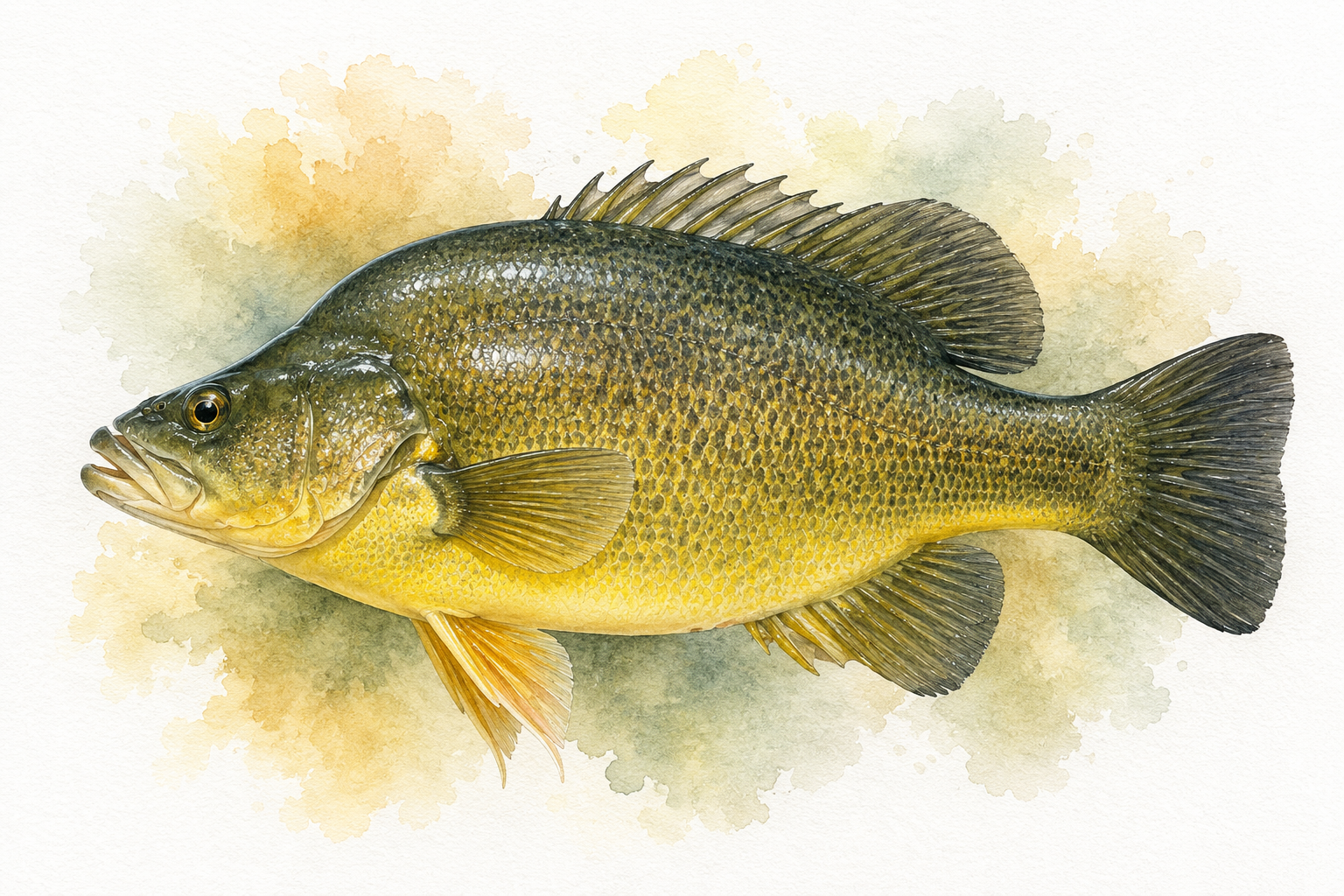
Golden Perch, better known as Yellowbelly across much of Australia, are one of the country’s most adaptable freshwater sportfish. They occupy everything from large inland rivers and floodplain billabongs to heavily stocked impoundments and farm dams.
What makes Golden Perch different from many native species is their ability to thrive in conditions that appear unfavourable. Dirty water, warm temperatures and fluctuating river levels rarely stop them feeding for long. Understanding how they use structure and respond to water movement is usually the key to consistent success.
Unlike Murray Cod, which often hold tightly to a single piece of structure, Golden Perch frequently move between feeding areas. They may spend part of the day holding deep within timber before shifting onto adjacent flats, creek channels or current edges to hunt.
The most successful anglers focus less on finding individual fish and more on identifying productive zones that concentrate food.
Tackle and Rigs
Golden Perch can be caught on surprisingly light tackle, but structure often dictates how heavy you need to fish.
For lure casting in rivers, a 2–5kg or 3–6kg spin outfit provides excellent versatility. In heavily timbered impoundments, many anglers step up to 4–8kg tackle to control fish before they reach cover.
When fishing bait, a simple running sinker rig remains hard to beat. Use only enough weight to maintain contact with the bottom. Excessive sinker weight often reduces bait movement and can make presentations appear unnatural.
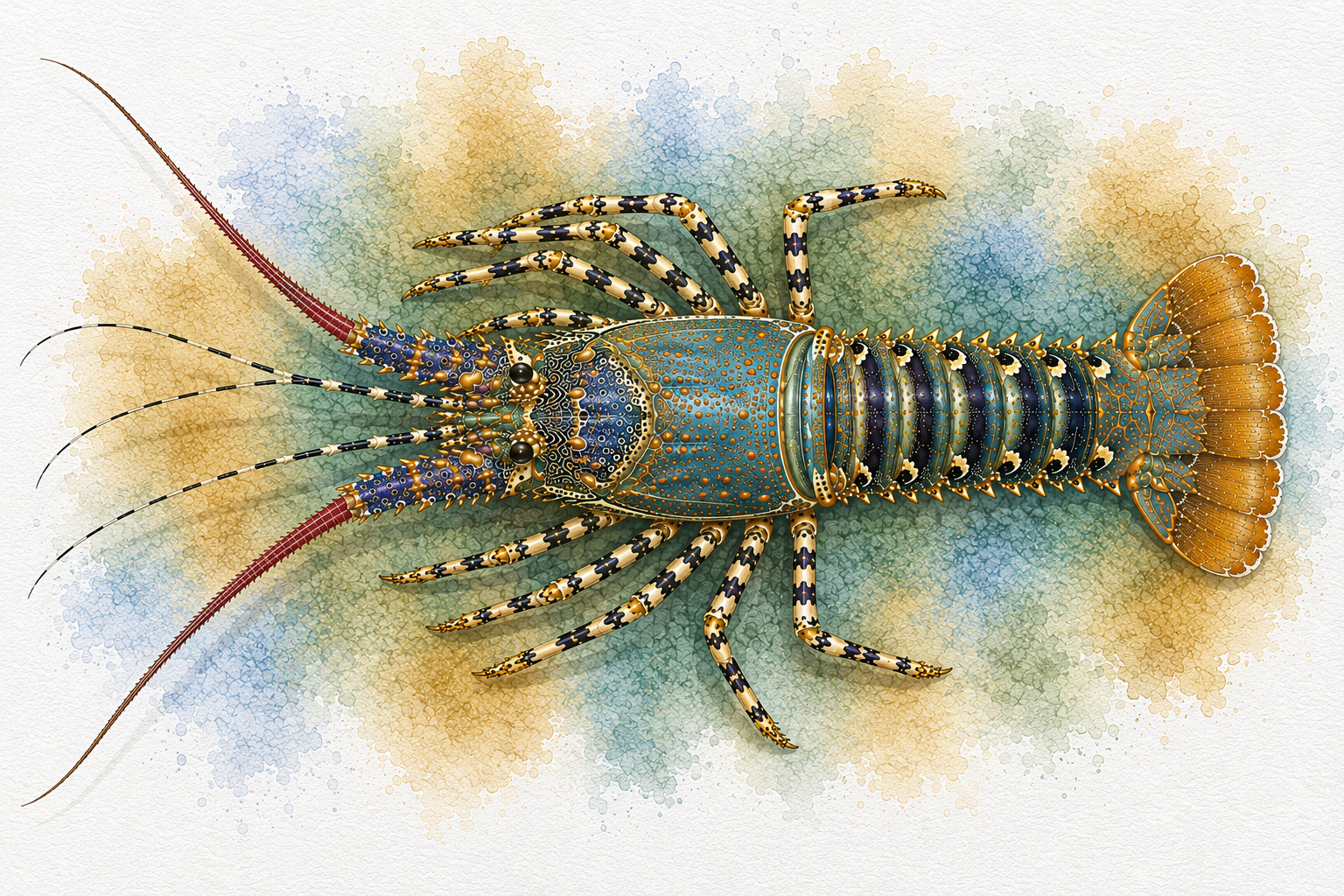
Live shrimp are among the most reliable baits because they remain active around structure. Position them close to timber, rock or channel edges and allow them to move naturally.
Yabbies are particularly effective for larger fish. They are durable, remain active for extended periods and closely resemble natural prey found throughout much of the species’ range.
When to Use Lures
Lures become especially effective when fish are actively hunting and covering ground.
Deep-diving hardbodies are often the best choice when searching large areas. Trolling allows anglers to locate productive depths, creek channels and structure lines that would otherwise take hours to cover.
Once fish are located, casting usually produces better results.
Spinnerbaits are particularly effective around standing timber. Their snag resistance allows anglers to fish areas that would be almost impossible with treble-hooked lures.
A common mistake is retrieving spinnerbaits too quickly. Golden Perch often respond best to a slow retrieve that keeps the lure close to structure.
Lipless crankbaits, blades and soft plastics excel when fish are holding deeper. Slow lifts, controlled drops and extended pauses often outperform aggressive retrieves.
One of the most consistent triggers is contact. Whether using hardbodies, blades or spinnerbaits, lures that occasionally strike timber, rock or bottom structure frequently draw more strikes than perfectly clean retrieves.
Time of Day
Golden Perch can be caught throughout the day, but low-light periods generally offer the most consistent action.
Early morning and late afternoon often see fish move further from cover to feed. During these periods they may patrol creek channels, flats adjacent to timber and the edges of submerged structure.
In turbid rivers, the bite can remain strong throughout the middle of the day because reduced visibility provides fish with confidence to move and feed.
During summer, night fishing can be particularly productive. Larger fish often leave heavy cover under darkness and become easier to target with both bait and lures.
Common Mistakes
One of the biggest mistakes anglers make is fishing too quickly.
Golden Perch are not always aggressive chasers. Many fish are caught because a lure remains in the strike zone long enough to trigger a response.
Another common mistake is ignoring water movement. Even small increases in river flow can dramatically improve fishing. Fish frequently position themselves where food is funnelled by current.
Many anglers also fish too far from structure. Golden Perch are strongly structure-oriented fish and often hold surprisingly tight to timber, rock and submerged cover.
In impoundments, anglers frequently spend too much time in open water. Productive areas usually contain a combination of structure, depth change and food sources.
Finally, many anglers leave an area too soon. Golden Perch often feed in short windows. A location that appears inactive for an hour can suddenly produce multiple fish when feeding activity begins.
The Bottom Line
Golden Perch reward anglers who focus on structure, water movement and food availability. Whether fishing a remote inland river, a stocked reservoir or a small farm dam, the same principle generally applies: locate the cover that attracts prey and the Golden Perch are rarely far away.
Fish slowly, keep presentations close to structure and pay close attention to changes in flow and water temperature. Those three factors consistently account for a large percentage of successful Golden Perch captures across Australia.