

Introduction
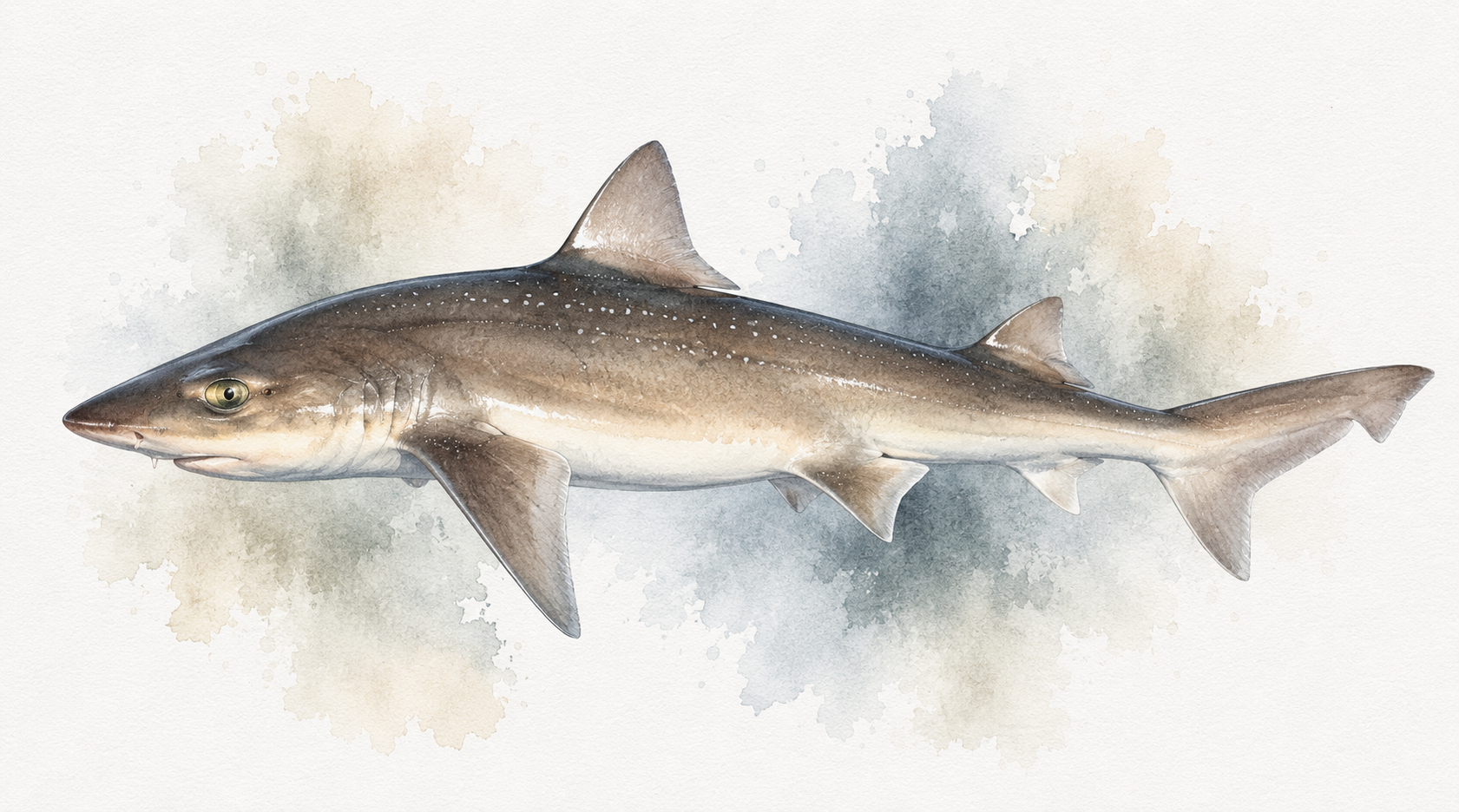
For many southern Australian anglers, gummy sharks are the benchmark species for reliable offshore bait fishing. They grow to impressive sizes, fight hard on suitable tackle, occur across a vast stretch of temperate Australian coastline and remain one of the few shark species that can be targeted consistently from boats, piers and surf beaches.
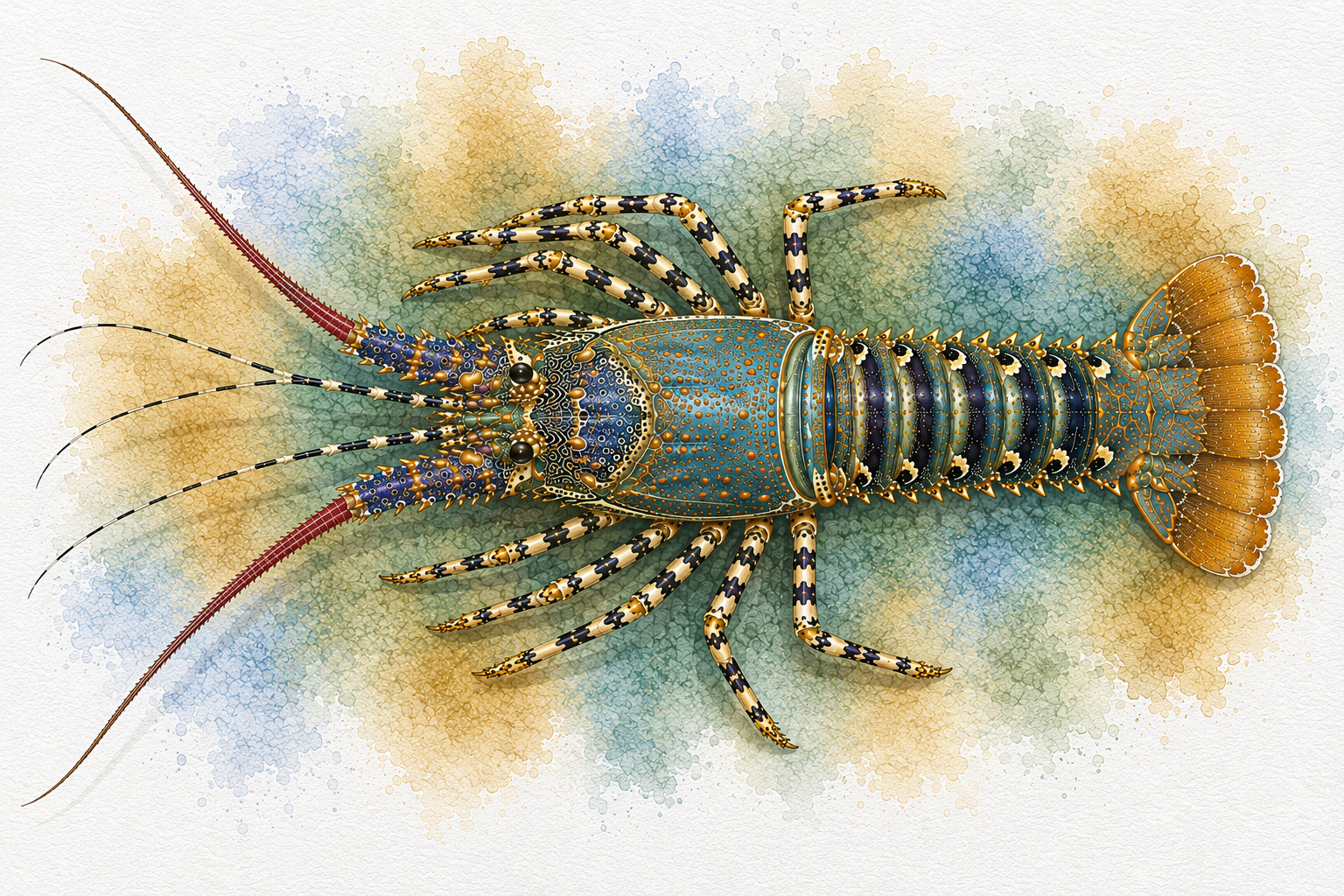
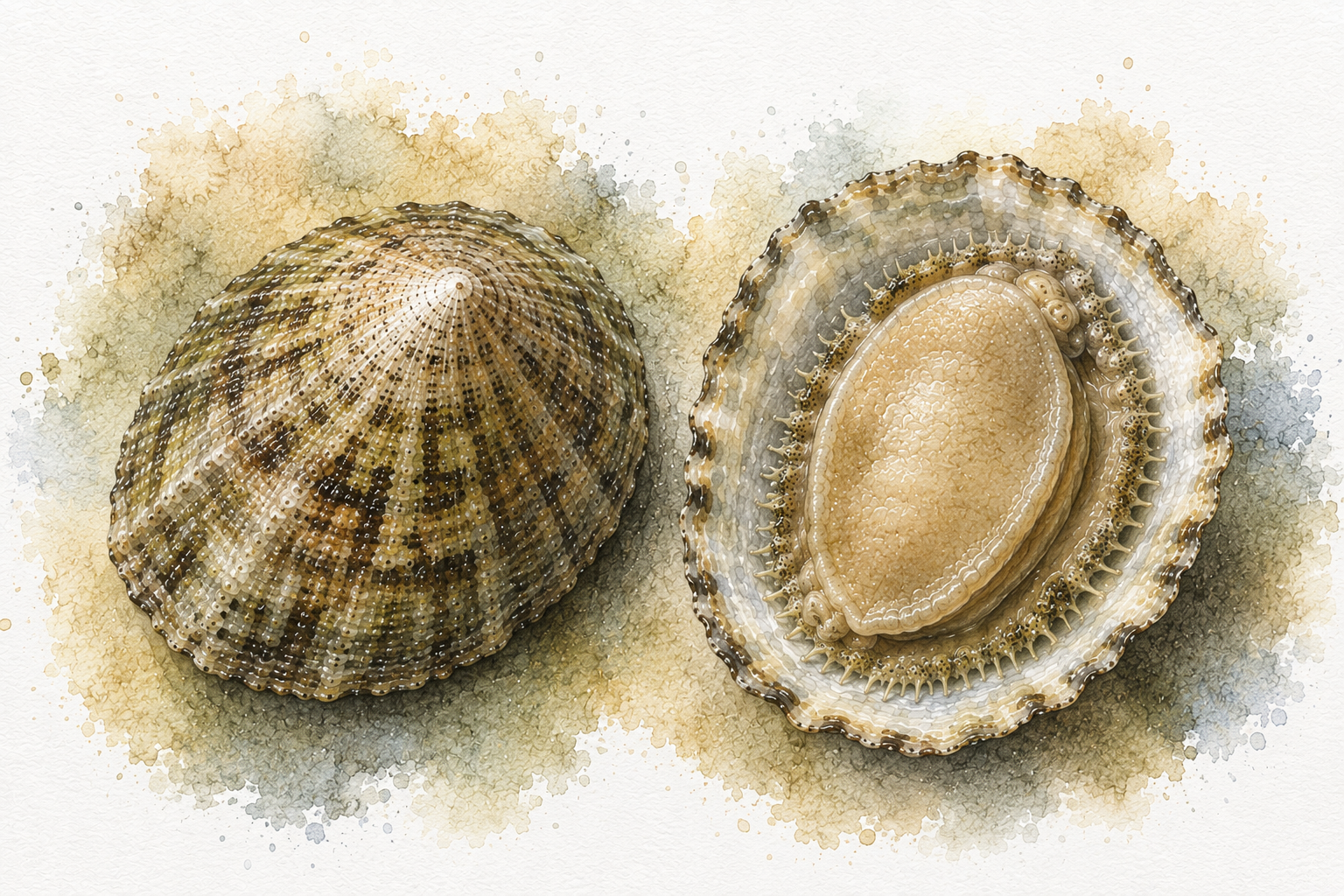
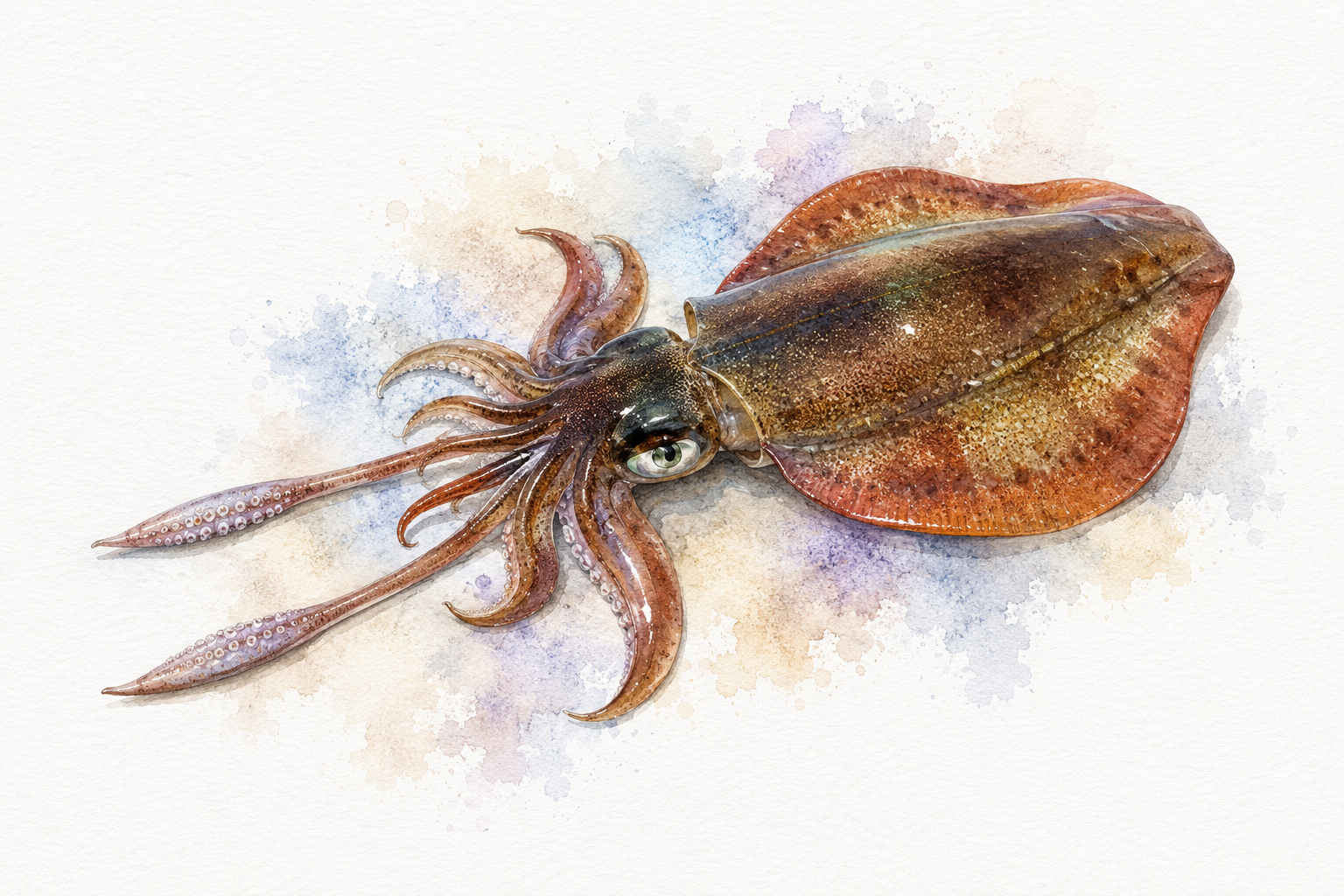
What separates gummy sharks from many other sharks is their feeding behaviour. They are not built for chasing down fast-moving bait schools in open water. Instead, they spend much of their time working close to the bottom, searching for squid, octopus, crabs, shellfish and injured fish across sand and mud habitats. This makes them highly responsive to well-presented baits and strong scent trails.
The biggest mistake many anglers make is treating gummy sharks like a random by-catch species. Consistent gummy shark fishing is largely a game of location selection. Once you understand how gummies use channels, gutters, flats and current flow, catch rates become far more predictable.
Unlike many pelagic species, gummies often return to the same productive areas year after year. A productive sand channel in Western Port, a Bass Strait gutter, a Tasmanian beach hole or a South Australian tidal depression can produce fish season after season if conditions align.
The most successful anglers focus less on covering water and more on identifying travel routes where feeding sharks naturally move with the tide.
Tackle and Rigs
Gummy sharks are powerful fish, but they are not particularly difficult to hook. The challenge comes after hookup, especially when larger fish use tidal flow and body weight to their advantage.
For general boat fishing, a 10–15kg overhead or spin outfit is ideal. This provides enough power to handle large gummies while still maintaining sport during the fight. In areas where fish exceeding 20kg are common, many anglers step up to 15–24kg tackle.
Braided mainline offers significant advantages when fishing deep channels. The reduced stretch improves bite detection and allows anglers to maintain better contact with baits in strong tidal flow. A substantial monofilament or fluorocarbon leader remains important because gummies frequently roll during the fight and can abrade lighter leaders.
Despite being sharks, gummy sharks do not possess the large cutting teeth found in species such as bronze whalers or tiger sharks. Their flattened crushing plates are designed for shellfish, crustaceans and cephalopods. As a result, heavy wire traces are generally unnecessary and often reduce bites.
Simple running sinker rigs remain the most productive setup in most situations.
A typical gummy shark rig consists of:
- Running sinker
- Heavy-duty swivel
- 60–100cm leader
- Single circle hook or octopus hook
Circle hooks have become increasingly popular because they usually hook fish cleanly in the corner of the jaw and reduce deep-hooking.
Sinker selection is critical. Too little weight allows baits to drift away from productive zones. Too much weight reduces natural bait presentation.
The goal is simple: enough lead to maintain bottom contact while still allowing scent to disperse naturally.
Fresh bait presentation often matters more than tackle sophistication.
A carefully prepared squid strip fished on a basic running rig will consistently outperform poorly presented bait attached to expensive terminal tackle.
When to Use Lures
Lure fishing for gummy sharks is uncommon compared with bait fishing, but it does occur more frequently than many anglers realise.
Most lure-caught gummies are taken accidentally by anglers targeting snapper, mulloway, flathead or reef species using soft plastics worked close to the bottom.
The best opportunities occur when gummies are actively feeding on baitfish or squid concentrated along channel edges and drop-offs.
Large paddle-tail soft plastics worked slowly along the seabed occasionally attract gummies, particularly in Victorian and Tasmanian fisheries where fish spend considerable time hunting over open sand.
The key difference compared with traditional lure fishing is speed.
Fast retrieves are generally ineffective.
Gummies locate prey through a combination of scent, vibration and close-range visual cues. Slow retrieves that maintain regular bottom contact produce the highest likelihood of success.
Slow-pitch jigs and large vibration lures can also account for occasional fish when worked through deep channels.
That said, anglers specifically targeting gummies should view lure fishing as a specialist approach rather than the primary tactic. Bait remains significantly more effective in the overwhelming majority of situations.
Time of Day
Gummy sharks can be caught throughout the day, but darkness consistently improves catch rates across much of their range.
Night fishing allows gummies to move confidently into shallow water where they hunt along flats, beaches and channel edges.
Many anglers are surprised by just how shallow large gummies will feed after sunset.
Areas holding only a metre or two of water can produce substantial fish under the cover of darkness, particularly when adjacent to deeper channels.
This behaviour explains why surf anglers regularly encounter large gummies within casting distance of the shoreline.
The final few hours before midnight and the hours immediately before dawn are often particularly productive.
During daylight, gummies frequently remain active but may hold slightly deeper or closer to major channels where they continue feeding along the bottom.
Overcast conditions can extend feeding periods well into daylight hours.
Bright, calm conditions do not necessarily stop gummies feeding, but catches often become more concentrated around tidal changes and peak current movement.
Successful anglers frequently plan trips around the intersection of darkness and tidal movement rather than simply fishing the tide alone.
A strong tide at midnight will often outperform the identical tide occurring at midday.
Common Mistakes
Fishing the Wrong Bottom
Many anglers naturally gravitate toward reefs, wrecks and heavy structure because these locations produce numerous other species.
Gummy sharks often prefer the exact opposite.
Large expanses of sand, mud and gently undulating bottom frequently produce better results than rugged reef systems.
Some of the most productive gummy shark grounds appear completely featureless on a sounder until subtle channels, depressions or bottom transitions are identified.
Ignoring Channels
Channels are highways for gummy sharks.
Fish moving between feeding grounds, flats and deeper water frequently use these natural pathways.
Anchoring randomly across broad flats often produces poor results compared with positioning directly along a channel edge.
Even a depth change of one or two metres can dramatically increase catch rates.
Using Old Bait
Gummies rely heavily on scent.
Fresh bait consistently produces stronger scent trails and better hook-up rates than old, freezer-burnt offerings.
Fresh squid remains a benchmark bait because it combines durability with strong scent output.
Many experienced gummy anglers specifically collect fresh squid before dedicated shark trips.
Fishing Slack Water
Current movement is critical.
The tide spreads scent, concentrates prey and encourages sharks to move.
Completely slack conditions often produce long quiet periods.
The first push of moving water after a tide change regularly triggers feeding activity.
Overcomplicating Rigs
Some anglers use excessive wire, oversized swivels and complicated multi-hook rigs.
Gummy sharks are not particularly tackle-shy, but simple rigs generally fish better and tangle less.
A straightforward running sinker rig with a quality hook consistently accounts for the majority of captures.
Leaving Too Early
Gummy shark fishing often rewards patience.
A fish may follow a scent trail for considerable distance before reaching the bait.
Many successful sessions begin slowly before multiple fish arrive during a concentrated feeding window.
Anglers who relocate too frequently often leave productive ground just before fish arrive.
The Bottom Line
The anglers who consistently catch gummy sharks usually share one common trait: they understand location better than they understand tackle.
While quality bait, suitable rigs and favourable conditions all matter, the biggest gains come from identifying productive channels, sand depressions and travel routes where gummies naturally move while feeding.
Unlike many species, gummy sharks rarely require complicated techniques. Their feeding habits are predictable, their preferred habitats are relatively easy to identify and their response to fresh bait is remarkably consistent.
Focus on clean sand or mud bottom, fish areas with steady tidal flow, use fresh bait and pay close attention to channels rather than obvious structure.
Do that consistently, and gummy sharks become one of the most dependable large predators available to Australian recreational anglers.
Whether you’re fishing a Bass Strait channel edge, a Tasmanian surf gutter, a South Australian gulf or a Victorian bay system, the formula remains largely unchanged: find the pathway, establish a scent trail, stay patient and let the fish come to you.