
Introduction
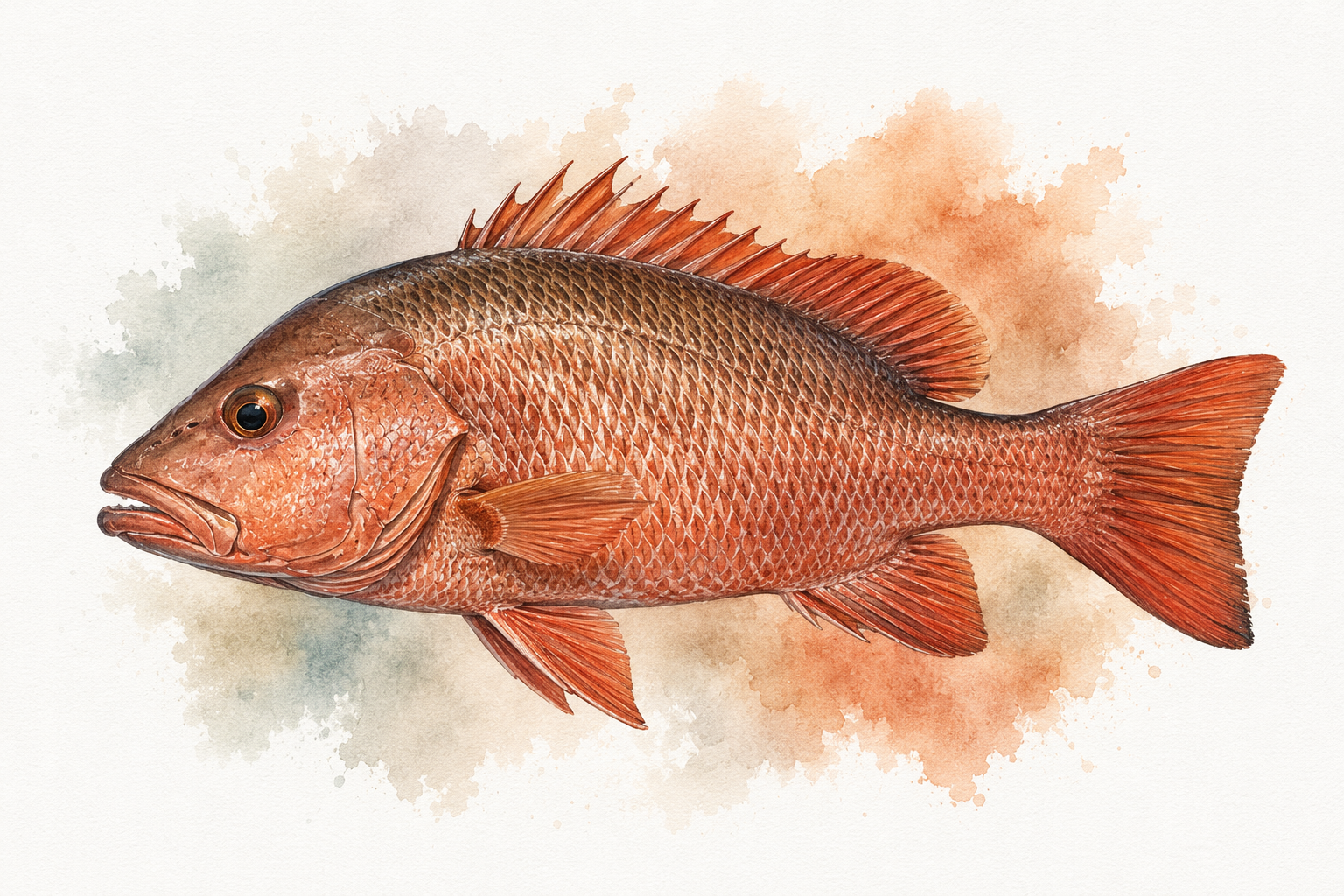
Few Australian estuary fish punish mistakes as quickly as a mangrove jack.
Most fish give anglers a second chance. Mangrove jacks usually do not. The strike is often violent, the first run is explosive, and if the fish reaches structure within the first few seconds, the fight is usually over.
That aggressive behaviour shapes almost every aspect of successful mangrove jack fishing.
Unlike species that actively patrol large areas searching for food, mangrove jacks are structure-based ambush predators. They spend much of their time holding tight against cover and waiting for baitfish, prawns or crabs to move within striking distance. Because of this, understanding where fish position themselves is far more important than covering large amounts of water.
The most productive jack locations share several common features:
- Permanent structure
- Moving water
- Available bait
- Nearby depth
If one of those ingredients is missing, the location generally becomes less reliable.
Across northern Australia, mangrove jacks inhabit tidal rivers, mangrove-lined creeks, harbours and estuary systems year-round. In Queensland and New South Wales, they become particularly active during warmer months when water temperatures climb and baitfish populations increase.
While many anglers associate jacks exclusively with mangroves, experienced fishers know they will use almost any structure capable of holding bait. Bridge pylons, marina pontoons, rock walls, submerged timber, canal systems, rock bars and deep snags can all produce quality fish.
The biggest mistake many anglers make is assuming a jack will travel a long distance to intercept a lure. Most strikes occur because the lure or bait passes directly through a fish’s strike zone.
For that reason, accuracy consistently outperforms lure selection.
A perfectly chosen lure landing two metres from structure will often be ignored. An average lure landing within centimetres of cover can be eaten instantly.
Tackle and Rigs
Mangrove jack fishing is often described as finesse fishing by anglers who have never hooked a large fish around heavy structure.
In reality, successful jack fishing requires a balance between lure presentation and brute stopping power.
Most experienced anglers use tackle heavier than they initially think necessary.
A typical estuary setup includes:
- 15–30lb braid
- 30–60lb fluorocarbon leader
- 2500–4000 size reel
- Medium-heavy spin or baitcast rod
The reason for heavy leaders has little to do with abrasion from the fish itself.
Mangrove jacks almost always fight dirty.
Once hooked, they immediately attempt to return to whatever structure they were using as cover. This often means barnacle-covered pylons, rock walls, submerged timber or mangrove roots.
The first few seconds determine the outcome.
Allowing even slight slack or hesitation frequently gives the fish enough opportunity to bury itself in cover.
For bait fishing, live baits remain the benchmark.
Particularly effective options include:
- Live mullet
- Live herring
- Live prawns
- Live poddy mullet
- Live garfish
The most productive presentation is usually the simplest.
A lightly weighted live bait positioned tight against structure often produces better results than complicated rigs loaded with hardware.
The objective is straightforward: place a natural bait where the fish already expects to find food.
Hook selection is important because jack strikes are sudden and powerful. Strong live-bait hooks or heavy-gauge circle hooks help withstand the initial impact and subsequent fight.
When to Use Lures
Lure fishing has become the dominant method for targeting mangrove jacks because it allows anglers to work precise sections of structure repeatedly.
The key is understanding how different lure styles interact with various types of cover.
Hardbody Minnows
Deep-diving hardbodies remain among the most effective jack lures ever developed.
They excel around:
- Rock bars
- Rock walls
- Timber snags
- Bridge pylons
- Mangrove edges
A successful retrieve often involves deliberately contacting structure.
Many strikes occur immediately after a lure deflects off timber or rock and changes direction.
This sudden movement resembles an injured baitfish and frequently triggers a reaction bite.
Soft Plastics
Soft plastics are particularly effective when fish hold deeper within structure.
They allow anglers to:
- Probe deeper water
- Work vertical structure
- Fish heavy current
- Present lures slowly
Paddle tails between 90–140mm account for a large proportion of modern jack captures.
The ability to vary jighead weight makes them useful across a wide range of tidal conditions.
Surface Lures
Surface fishing for mangrove jacks is one of the most visual forms of estuary fishing.
Large fish regularly attack:
- Poppers
- Walk-the-dog lures
- Wake baits
- Crawlers
These techniques are most effective around:
- Mangrove edges
- Shallow rock bars
- Canal structure
- Timber-lined banks
Warm water and low light generally produce the best results.
Vibration Lures
Vibes are valuable when fish hold deeper around:
- Bridge pylons
- Deep rock walls
- Harbour structure
- Channel edges
They allow anglers to maintain contact with the lure while presenting it directly through the strike zone.
This can be particularly useful during cooler periods when fish become less willing to move significant distances to intercept prey.
Time of Day
Mangrove jacks can feed throughout the day, but certain periods consistently produce better fishing.
Low-light periods remain the benchmark.
Dawn and dusk often see fish move slightly further from cover and become more aggressive.
During these periods, jacks frequently position themselves along current lines, rock edges and mangrove margins where baitfish are actively moving.
Night fishing can be exceptional.
Many experienced anglers specifically target:
- Bridge lights
- Marina lights
- Harbour infrastructure
- Canal systems
Artificial lighting attracts baitfish, which attracts predators.
Large mangrove jacks commonly station themselves just outside illuminated areas and ambush prey moving between light and shadow.
Midday fishing can still be productive, particularly during warmer months, but fish generally position tighter to structure and become less forgiving of poorly placed casts.
When the sun is high, lure placement becomes even more important.
Common Mistakes
Fishing Too Far From Structure
This is the biggest mistake in mangrove jack fishing.
Many anglers fear snagging expensive lures and unconsciously cast away from cover.
Unfortunately, this often places the lure outside the fish’s strike zone.
Mangrove jacks commonly sit within centimetres of structure.
A lure retrieved one metre away may never be seen.
Using Tackle That Is Too Light
Light tackle may cast well and feel enjoyable during the fight, but it often results in lost fish.
Jacks win fights by reaching cover.
Heavy leaders and powerful rods reduce that opportunity.
Retrieving Too Fast
Many fish are caught by slowing down.
Jacks are ambush predators.
They are often willing to attack a lure moving slowly through their territory but may ignore one travelling too quickly.
Leaving After One Cast
Prime structure frequently requires multiple presentations.
A fish may ignore the first cast and attack the third or fourth.
Changing casting angles can often trigger a strike from a fish that appeared inactive.
Ignoring Current
Current is one of the most important variables in jack fishing.
Moving water:
- Concentrates bait
- Defines feeding zones
- Positions fish predictably
Structure without current is often far less productive than structure with active water movement.
Fighting the Fish Softly
Many species reward patience.
Mangrove jacks often punish it.
The first few seconds after hook-up require maximum pressure to turn the fish away from structure before it gains the advantage.
The Bottom Line
Consistent mangrove jack fishing comes down to understanding three things: structure, current and precision.
The most successful anglers are rarely the ones making the most casts. They are usually the ones placing lures and baits exactly where a jack is likely to be holding.
Look for hard structure with moving water and available bait. Focus on bridge pylons, rock bars, submerged timber, marina infrastructure, mangrove edges and deep snags. Fish these locations thoroughly and from multiple angles.
Remember that mangrove jacks are not roaming predators searching large areas for food. They are ambush specialists that use cover to their advantage. If your presentation does not enter their strike zone, the fish may never react.
When conditions align—warm water, active bait and tidal movement—the bite can be spectacular. The challenge is that opportunities are often measured in seconds. A single accurate cast can produce an immediate strike, while dozens of poor casts can produce nothing at all.
The anglers who consistently catch quality mangrove jacks are usually those who become obsessed with precision. They learn to land lures beside mangrove roots, against bridge pylons, under pontoons and alongside timber where other anglers are reluctant to cast.
For mangrove jacks, accuracy is not a bonus skill. It is the foundation of the entire fishery. Once you understand that, the species becomes far more predictable and far more catchable.