
Introduction
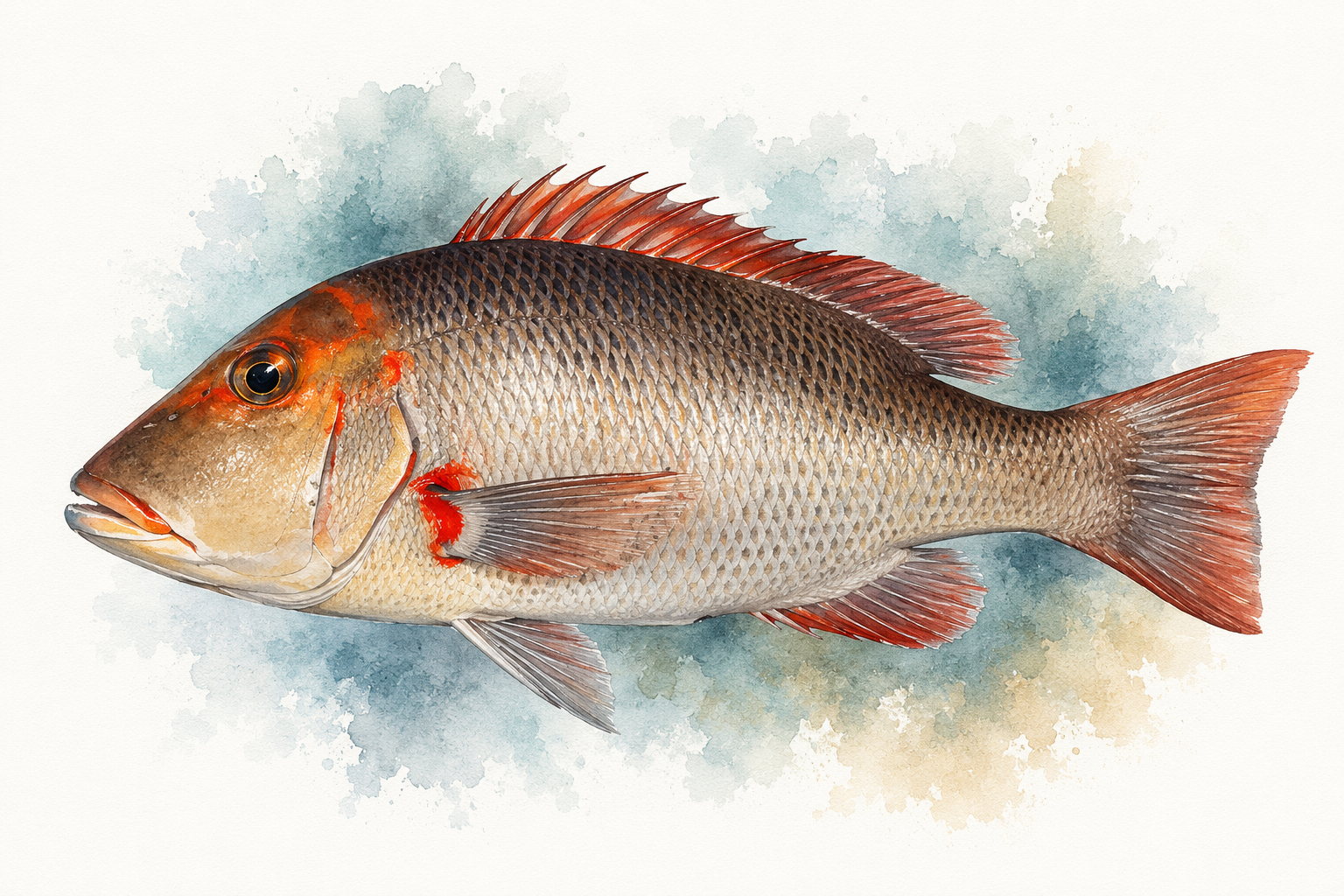
Red Throat Emperor occupy a unique position among Australia’s offshore reef species. They are often grouped alongside red emperor, coral trout and other reef fish, but they behave quite differently. Understanding those differences is often the key to catching them consistently.
Many anglers think of red throats as reef fish that simply happen to live around coral. In reality, mature fish spend much of their time feeding away from the heaviest structure. While they certainly use reefs for shelter and security, their feeding behaviour is closely tied to the surrounding rubble, broken bottom and sand-reef transition zones.
This tendency to roam makes them one of the most predictable reef species once you understand where to look. Rather than spending an entire session directly over coral bommies, experienced red throat anglers often target the surrounding terrain. Large patches of coffee rock, scattered rubble, isolated ledges and reef edges frequently outfish the reef itself.
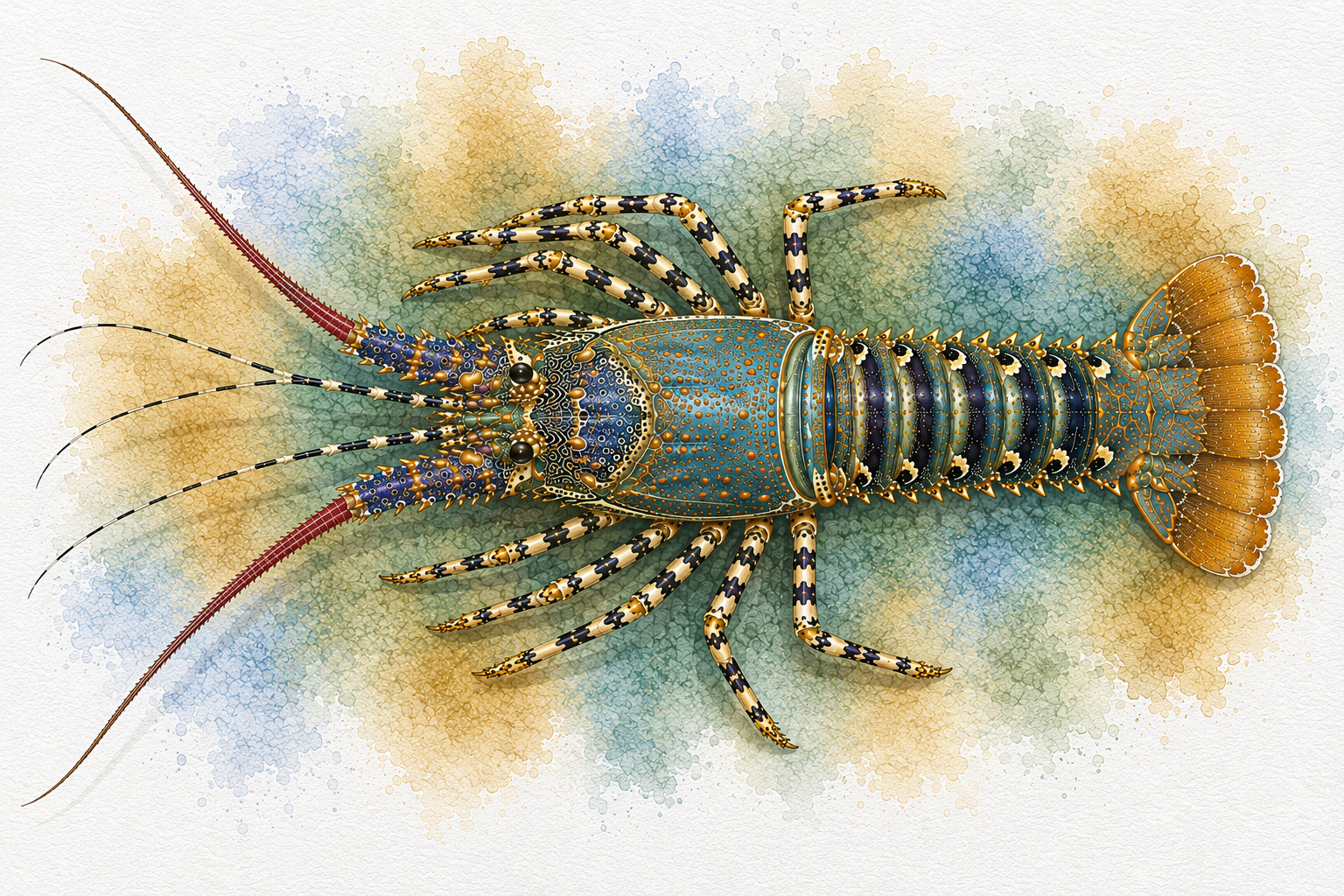
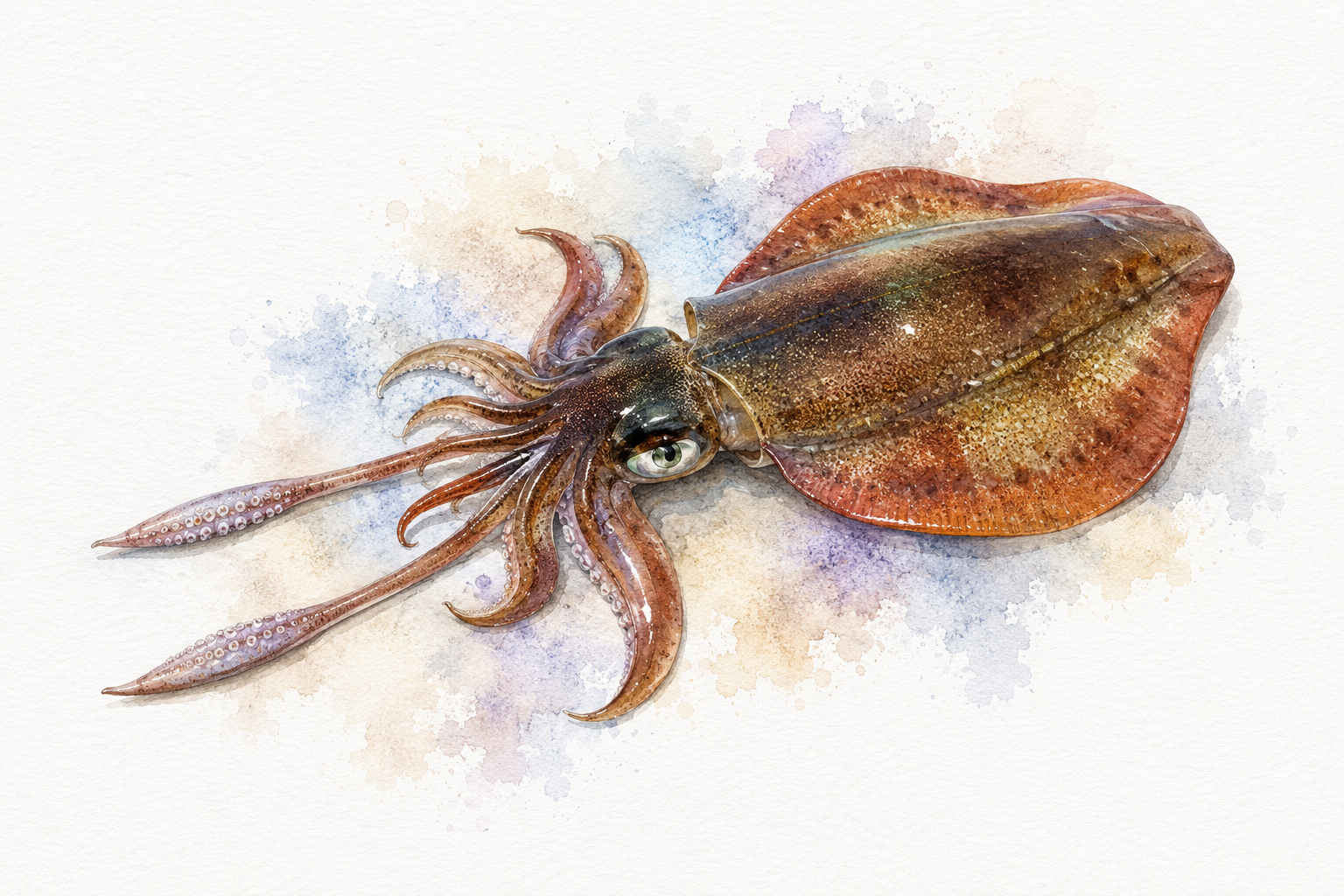
Their feeding habits also separate them from many other reef fish. Red Throat Emperor possess powerful jaws designed for crushing hard-bodied prey. Crabs, sea urchins, molluscs, squid and bottom-dwelling invertebrates form a significant part of their diet. This explains why certain baits consistently outperform others and why red throats often respond differently to lure presentations than species such as coral trout.
One of the biggest advantages of targeting red throats is their widespread distribution. Whether fishing the Great Barrier Reef, Coral Sea reefs, Capricorn-Bunker reefs, offshore Northern Territory waters, Kimberley reefs or the Pilbara coast, the same core principles generally apply.
The anglers who consistently catch quality fish are usually the ones who focus on bottom composition, current flow and feeding zones rather than simply fishing the largest reef structure they can find.
Tackle and Rigs
Red Throat Emperor are powerful fish, but they rarely require the extremely heavy tackle commonly used for large coral trout or trophy red emperor. For most situations, a quality spin or overhead outfit rated between 15 and 30 pounds provides an ideal balance between sensitivity and lifting power. This allows anglers to detect subtle bites while still maintaining sufficient control around reef edges. Unlike species that immediately dive into coral after being hooked, red throats often fight hard in open water once clear of the bottom. This makes slightly lighter tackle practical in many situations.
Rig selection should reflect the terrain being fished. Over broken reef and rubble ground, a simple running sinker rig is often highly effective. This arrangement allows baits to move naturally across the seabed where feeding fish are actively searching for prey. When fishing deeper reef systems or stronger current, paternoster rigs become more practical because they maintain consistent bottom contact and reduce tangles.
Hook selection is important. Red throats frequently mouth and crush baits before fully committing. Circle hooks and strong suicide-style hooks generally produce excellent hook-up rates because they cope well with the species’ feeding behaviour.
Fresh bait consistently produces the best results. Squid remains one of the most reliable options available. It stays on the hook well, resists attacks from smaller reef species and closely matches natural prey found around reef systems. Fresh fish strips, herring fillets, fusiliers, mullet and whole pilchards also perform exceptionally well.
One common mistake is fishing baits too far off the bottom. Red throats spend much of their feeding time searching along the seabed. Even when fish appear on sounders slightly elevated from the bottom, successful presentations usually remain close to the substrate.
When to Use Lures
Although bait fishing accounts for the majority of captures, modern lure techniques have dramatically improved red throat catch rates. Soft plastics are among the most productive options available. Large paddle-tail plastics between five and seven inches closely imitate baitfish while still maintaining enough bulk to attract larger fish. Natural colours often perform best in clear tropical water, although brighter colours can be useful in deeper water or lower visibility conditions.
The retrieve is more important than the lure itself. Many anglers retrieve plastics too aggressively. Red throats are not typically hunting fast-moving pelagic prey. Most strikes occur when a lure slowly lifts from the bottom before fluttering back toward the seabed.
Slow-pitch jigging has become particularly effective throughout northern Australian reef fisheries. The technique suits the species perfectly because the lure spends extended periods close to the bottom while producing an erratic fluttering action. This closely resembles injured baitfish, squid and other prey items that red throats commonly consume. Many experienced offshore anglers specifically target red throats with slow-pitch jigs over rubble grounds adjacent to larger reef systems. These areas often receive less fishing pressure than prominent reef structures while holding significant numbers of feeding fish. In shallower water, soft vibes and smaller metal jigs can also be effective when worked slowly across hard-bottom terrain.
The common factor among all successful lure techniques is maintaining contact with the feeding zone. If the lure spends most of its time several metres above the bottom, catch rates generally decline.
Time of Day
Red Throat Emperor can be caught throughout the day, but certain periods consistently produce better results. Early morning often provides the most reliable fishing. During this period, fish frequently move onto adjacent feeding grounds and become more active before boat traffic increases across heavily fished reef systems. The first few hours after sunrise regularly produce quality fish on both bait and lures.
Late afternoon can be equally productive. As light levels begin to fall, fish often spread away from structure and feed more aggressively across rubble flats and sand patches surrounding reef systems.
Unlike some reef predators that become highly nocturnal, red throats commonly feed throughout daylight hours. This makes them a realistic target for anglers fishing full-day offshore trips.
Current flow often has a greater influence than the time shown on a clock. A productive tide change during the middle of the day will frequently outfish a slack period occurring at sunrise or sunset.
Many experienced reef anglers place greater emphasis on current movement than specific times of day when planning red throat trips.
When conditions align, fish may feed aggressively for relatively short periods before activity slows again. Recognising these windows is often more important than remaining anchored in one location for extended periods.
Common Mistakes
The biggest mistake anglers make is fishing directly on top of prominent reef structure. While red throats certainly use reefs, many of the better fish are caught around surrounding rubble, coffee rock and sand-reef transition zones.
Another common mistake is using sinkers that are too heavy. Excessive weight reduces bait movement and creates an unnatural presentation. Whenever current allows, lighter rigs generally produce more bites.
Many anglers also move too quickly. Red throats often occur in loose feeding groups. Finding one fish frequently indicates that more are present nearby. Thoroughly working productive ground usually produces better results than constantly relocating.
Lure anglers often fish too high in the water column. Because red throats feed primarily along the bottom, presentations that spend minimal time near the seabed miss the most productive strike zone.
Another error is focusing exclusively on coral structure shown on charts and sounders. Broken bottom, isolated rubble patches and subtle hard-bottom features frequently hold feeding fish that receive little attention from other boats.
Many anglers underestimate the importance of fresh bait. Although red throats will take frozen offerings, fresh squid, fish strips and locally sourced bait consistently outperform poorer-quality alternatives.
Finally, some anglers strike too quickly. Red throats often investigate, crush and manipulate a bait before fully committing. Allowing fish to load the rod properly before applying pressure generally results in more secure hook-ups.
The Bottom Line
Red Throat Emperor are one of the most reliable reef species available to Australian offshore anglers because their behaviour is relatively predictable once their feeding patterns are understood. The most successful anglers stop thinking of them as fish that live on reefs and instead view them as fish that feed around reefs. That distinction changes where you fish, how you present baits and how you interpret sounder information.
Focus on broken reef, rubble flats, reef margins and sand-reef transition zones rather than simply anchoring over the heaviest coral. Maintain consistent bottom contact, use fresh bait whenever possible and pay close attention to areas where moderate current flows across productive feeding ground.
When lure fishing, slow presentations close to the seabed consistently outperform fast retrieves worked higher in the water column.
Above all, remember that red throats are bottom-oriented feeders built to hunt crustaceans, molluscs and reef-associated prey. The closer your presentation resembles those natural food sources—and the more time it spends in the feeding zone—the more consistent your results will become.
For anglers prepared to move beyond the traditional “fish the reef” approach, Red Throat Emperor are often far easier to locate and catch than many competing reef species. Their willingness to feed across surrounding terrain creates opportunities throughout northern Australia, from shallow reef edges to deep offshore rubble systems.